
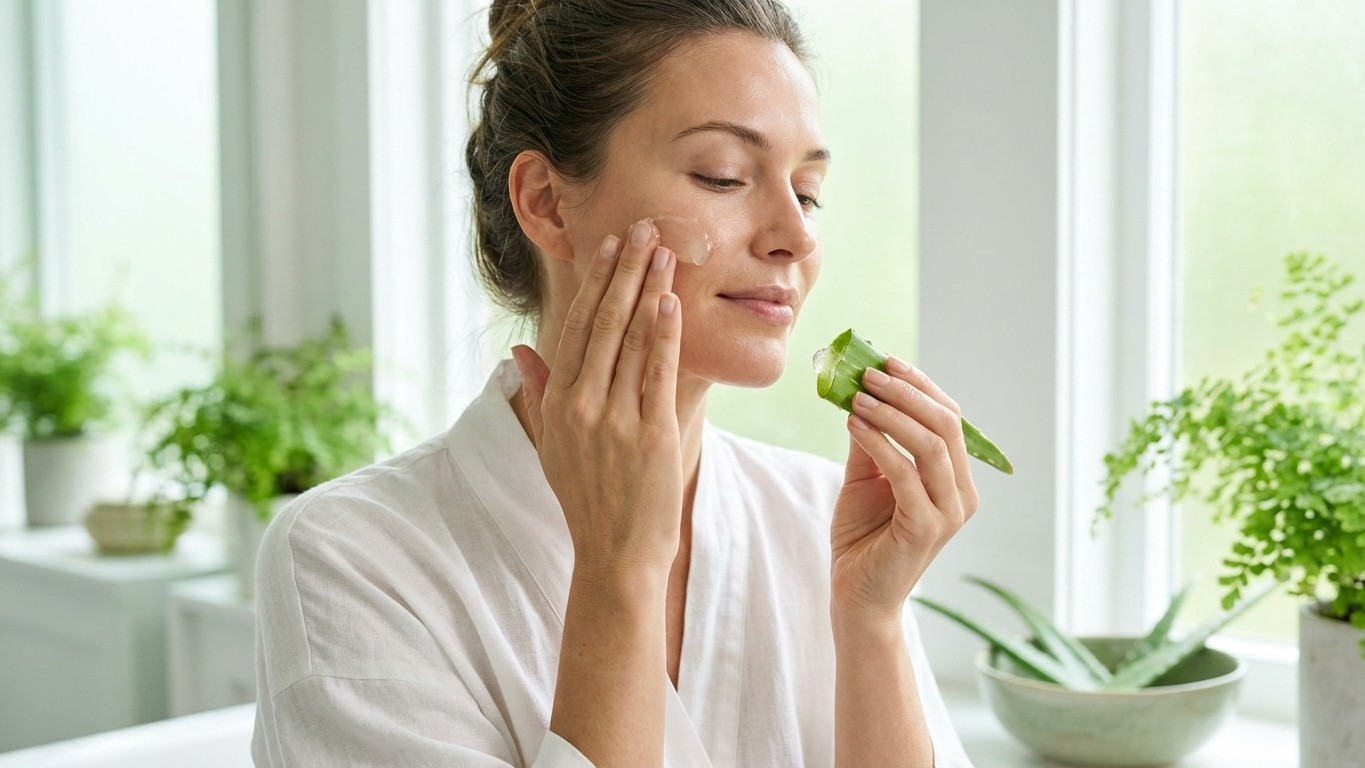
A cool film on the skin, that faint green, almost cucumber-like scent, the instant feeling that irritation is being turned down a notch. Aloe vera can feel like a small, Everyday miracle, especially when you’re trying to keep a Routine-naturelle-en-climat-humide-limiter-brillance-et-pores-obstrues”>Routine-naturelle-du-plus-leger-au-plus-riche”>routine “clean” and minimal. But in February 2026, when natural skincare is both a Comfort ritual and a crowded marketplace, aloe sits in a slightly misunderstood spot: praised as universal, used as a shortcut, sometimes blamed when the real issue is formulation, contamination, or plain overuse.
Because yes, aloe vera in natural skincare routine can be brilliant. And no, it’s not automatically the right answer for every face, every season, every texture. The result can be soothing and luminous. Or sticky, tight, reactive. Same ingredient, wildly different outcomes.
Let’s make it practical, and a little demystified.
Why integrate aloe vera into a natural routine?
Natural routines often chase a particular feeling: skin that looks calm, hydrated, “normal” again. Aloe vera has earned its cult status because it can support that goal with a lightweight, water-based comfort that doesn’t feel greasy. It’s also one of the rare plant-derived staples that has been studied in clinical contexts, especially around wound healing and burns, even if the evidence doesn’t magically translate into “it fixes everything.”
Here’s the counter-intuition That Changes Everything: aloe is often treated like a moisturizer, but it behaves more like a hydrating, soothing layer. Think “water and comfort,” not “full barrier meal.” When you use it with that in mind, the routine starts to make sense.
Key properties of aloe vera for skin
Aloe vera gel is mostly water, with a mix of polysaccharides and other plant compounds that can create a fresh, film-forming sensation on the skin. In real-life routines, people reach for it for three main reasons:
- Hydration support: it can increase the feel of surface hydration and reduce that “hot” sensation that often comes with dehydration.
- Soothing comfort: many users find it calming after friction, sun exposure, shaving, or when skin feels reactive.
- Support during recovery: topical aloe vera has been studied for burn wound healing, with systematic review evidence suggesting faster healing time in second-degree burns compared to other topicals in some trials, though outcomes like pain or infection are less consistently improved.
That last point matters because it explains why aloe is so often recommended after “something happened” to the skin. A 2024 meta-analysis of randomized trials, for example, found reduced mean wound-healing time for burn injuries with aloe vera versus comparators, without a clear increase in infection risk. That’s not the same as “aloe is an acne treatment” or “aloe replaces your whole routine,” but it anchors the ingredient in something more solid than folklore.
Which skin types benefit most?
Aloe tends to shine for:
- Oily or combination skin that wants hydration without heaviness.
- Skin that gets temporary redness from weather, travel, over-cleansing, or friction, the “my face feels annoyed” category.
- People who dislike rich textures but still need comfort layers.
Dry, barrier-compromised skin can love aloe too, with one condition: it usually needs to be paired with something that reduces water loss, like a cream, balm, or facial oil that your skin tolerates. Used alone, aloe can feel great at first and then leave the skin oddly tight, especially in winter heating or desert climates.
Sensitive and allergy-prone skin is where aloe becomes less “universal.” Contact dermatitis and allergic reactions to aloe have been documented, and reactions may be linked to anthraquinone contaminants (more on that when we talk quality and DIY).
The different aloe vera formats in skincare (and why they don’t behave the same)
“Aloe vera” on a label can mean several realities: a clear gel, a reconstituted powder, an extract in a serum base, or a formula that uses aloe mostly as a marketing cue. In a natural routine, format is half the result.
Pure gel or extract: how to choose
In day-to-day shopping, you’ll usually see:
- Aloe vera gel products, marketed as multipurpose gels.
- Formulas with aloe as an ingredient, like serums and creams where aloe is part of a larger system.
- DIY plant gel, cut straight from the leaf.
How to decide, concretely:
- If you want a simple “calm layer” after cleansing, a straightforward gel texture can work well, as long as it’s well-formulated and you tolerate it.
- If your skin is reactive, dry, or acne-prone and easily irritated, a finished product (serum/cream) can be safer because it’s designed for stability and skin feel, whereas DIY varies massively.
- If you’re choosing a gel, quality cues matter more than influencer hype: avoid products that sting, feel strongly perfumed, or leave a plasticky film that pills under sunscreen.
One more reality check: “more natural” is not always “more gentle.” Aloe latex components like aloin are irritant, and reputable processing aims to keep the soothing gel while minimizing those harsher fractions.
Aloe in serums, creams, and masks: strengths and limits
Serums with aloe can be a smart compromise. They often pair aloe with humectants and soothing agents, giving you hydration that layers well. The limit is simple: a serum rarely replaces a moisturizer if your barrier is weak or your environment is dry.
Creams that include aloe can be excellent for people who love the soothing feel but need lipids or occlusives to hold hydration. This is where aloe becomes supportive rather than the star soloist.
Masks are where aloe can feel like instant relief. The trap is relying on masks while the daily routine remains too harsh, too stripping, or too inconsistent. Skin reads patterns, not one-off gestures.
DIY: using the plant directly, precautions and how-to
Cutting open a leaf at home is seductive. It looks pure, it feels old-school, it photographs beautifully. And honestly, it can be fine for some people. But DIY aloe is also the fastest route to irritation if you don’t respect the plant.
- Patch test first, especially if you have eczema, rosacea, or a history of reactions. Topical aloe has been reported to cause redness, burning, stinging, and dermatitis in sensitive individuals.
- Be mindful of the yellow latex near the rind, this is where irritant anthraquinones like aloin can be present. Rinsing and careful filleting reduce risk, but do not make it zero.
- Use fresh gel quickly and store it cautiously. DIY mixtures spoil; oxidation and contamination are real, particularly if you mix with kitchen oils or introduce fingers into the jar.
If you’re building a natural routine beyond aloe, anchor your approach with broader ingredient literacy. The internal resources on best natural ingredients for skincare routine and natural skincare routine skin care tips are the kind of guides that help you avoid the classic “I tried everything natural and my skin freaked out” cycle. Another angle worth exploring: when acne is part of the picture, tea tree oil skincare tips for acne can help you understand dilution and irritation risk before you start combining strong botanicals.
How to integrate aloe vera into your routine (steps, order, and small tricks)
Aloe vera works best when it’s treated like a flexible layer. It can sit in different spots depending on what you’re doing that day: calming after cleansing, buffering actives, or adding hydration before a richer cream.
Aloe as a hydrator: is it universal?
Framing matters. Aloe can function as a hydrating step, not always as the final moisturizing step.
- Morning: cleanse (or rinse), apply aloe on slightly damp skin, then follow with moisturizer if needed, then sunscreen.
- Night: cleanse, aloe, then a barrier-supportive moisturizer if your skin feels tight or if you’re in a dry season.
- After sun or wind exposure: aloe as a calming layer can feel great, but keep expectations realistic. If you have an actual burn, blistering, or severe reaction, treat it as a medical issue, not a cosmetic inconvenience.
The sensory trick that changes the experience: apply aloe on lightly damp skin, then seal it with something appropriate for your skin type. This reduces that “evaporation tightness” people sometimes blame on aloe itself.
Pairing aloe with other natural actives: compatibilities and synergies
In a natural routine, aloe is often the “quiet friend” that helps other steps feel less aggressive. Pairings that tend to be well-tolerated, depending on your skin, include:
- Barrier-friendly moisturizers (ceramide-like approaches exist in natural-leaning formulas too, but keep it general: look for creams that don’t sting and that reduce tightness).
- Gentle oils for sealing, if your skin likes them. Use a small amount, oil over aloe, not under it.
- Soothing botanicals, but avoid stacking too many plant extracts if you’re sensitive. More plants can mean more allergen exposure.
When you’re building a broader toolkit, the two internal pieces both anchored as best natural ingredients for skincare routine are useful to compare aloe with other options like oat, calendula, or certain forms of hyaluronic acid alternatives in “natural” formulations. Not because aloe is inferior, because it’s not always the right tool.
Cross-cluster note you can lean on: aloe for redness and sensitivity can be a smart, simple bridge between ingredient knowledge and problem-solving. When your skin is reactive, fewer steps with clearer roles beat elaborate layering every time.
Frequency matters: overuse and possible reactions
Daily use can be fine for many people. Trouble usually starts when aloe becomes a reflex, applied five times a day, layered under everything, then topped with multiple actives. The skin doesn’t always read that as “care.” It can read it as “constant intervention.”
- If your skin feels tight after aloe, reduce frequency and seal with a moisturizer.
- If you see persistent redness, itching, or hives, stop and reassess. Topical aloe can irritate sensitive individuals.
- If you’re using prescription treatments or medicated creams, ask a clinician. Some sources note aloe may increase absorption of topical steroids like hydrocortisone, which can change how those medications behave.
Common mistakes to avoid with aloe vera
Most aloe disasters aren’t caused by aloe as a concept. They’re caused by assumptions: “natural means harmless,” “gel means pure,” “if it soothed my friend’s sunburn it will fix my acne,” and the classic, “if a little feels good, more will feel better.”
Overdoing it, incompatibilities, and allergy risk
Allergy and irritation are real possibilities. Reported adverse effects of topical aloe include redness, burning, stinging, and dermatitis in sensitive people. Hypersensitivity reactions are also the most commonly described adverse effects in some reviews of aloe use, and reactions may be linked to anthraquinone contaminants.
Practical response if you suspect a reaction:
- Stop the aloe product immediately.
- Rinse with lukewarm water, keep the routine minimal for a few days, gentle cleanser only if needed, bland moisturizer if tolerated.
- If swelling, widespread hives, or Breathing symptoms occur, treat as urgent medical care.
- If the rash persists or worsens over 48 to 72 hours, consider medical evaluation to rule out contact dermatitis and get guidance.
Confusing “good aloe” with diluted or poorly formulated products
One of the most frustrating realities: a product can say “aloe” and still behave like a cheap styling gel on your face. Heavy thickeners, strong fragrance, high alcohol content, or a formula that pills under sunscreen can sabotage the routine.
What this looks like on skin:
- Pilling under moisturizer or SPF.
- Shiny but dehydrated feel, like a film sitting on top.
- Stinging on application, especially around the nose and mouth.
When aloe can aggravate a skin problem
Aloe can backfire when:
- Your skin barrier is already compromised and you’re using aloe alone, without a barrier-supporting moisturizer, in a dry climate. Tightness can intensify and you end up chasing comfort with more gel.
- You’re reacting to contaminants or to the product’s additives rather than aloe itself.
- You’re treating acne by piling on botanicals and “spot gels,” then wondering why inflammation keeps looping. Acne often needs fewer irritants, not more.
Also, be careful with the assumption that DIY equals gentle. Poor handling, latex contamination, or spoiled mixtures can make a reactive mess fast.
FAQ and common beliefs about aloe vera in a natural routine
What are the proven benefits of aloe vera on skin?
The strongest clinical discussion often centers on wound and burn contexts. Systematic review evidence, including more recent analyses, suggests topical aloe vera can reduce wound-healing time in second-degree burns in some randomized trials. Evidence quality and study designs vary, and results for outcomes like pain or infection are less consistent. In everyday skincare, many people experience aloe as hydrating and soothing, but those effects are partly subjective and depend on the full formula, not only the plant.
How do you choose a good aloe gel for a facial routine?
Keep it practical:
- Pick a product designed for leave-on facial use, not a “everything gel” that feels like it belongs in a hair aisle.
- Avoid strong fragrance and anything that stings on contact.
- If you’re sensitive, fewer extracts can be easier to tolerate than a long botanical list.
- Patch test. It sounds boring. It saves faces.
Can you use aloe vera every day without risk?
Many people can use it daily. Risk depends on your skin history and the product. Topical aloe is generally considered likely safe for skin application, but irritation and allergic reactions can occur, especially in sensitive individuals. Daily use becomes riskier when you over-apply, stack multiple potential irritants, or use DIY gel without controlling latex exposure and contamination.
Aloe vera or moisturizer: what’s the difference?
Aloe is mainly a hydrating, soothing layer. A classic moisturizer is built to reduce transepidermal water loss and support the barrier with emollients and occlusives. If your skin is oily and you live in humidity, aloe plus sunscreen can sometimes feel like enough. If your skin is dry, reactive, or you’re in winter heating, aloe alone often won’t deliver that “protected” feel for long.
The most elegant compromise: aloe first, moisturizer second. The result. Clean, calm, believable.
What to do if you have an allergic reaction to aloe vera?
Stop the product, rinse gently, simplify your routine, and monitor symptoms. Mild irritation may settle with time and a bland moisturizer. If you get significant swelling, widespread hives, blistering, or any systemic symptoms, seek urgent medical advice. Persistent dermatitis deserves a clinician’s eye, especially to identify whether the trigger was aloe, latex contaminants, fragrance, preservatives, or another botanical in the formula.
Where does aloe fit depending on the season?
Summer: aloe can feel like the perfect lightweight hydrator, especially after sun and heat, but don’t confuse cosmetic soothing with sunburn treatment when damage is serious.
Winter: aloe often works best as a first layer, followed by a richer moisturizer. Alone, it can feel crisp for five minutes and then oddly insufficient, like wearing linen in a snowstorm.
Use aloe vera with sense, not superstition
Natural skincare has a temptation to turn ingredients into identities. Aloe becomes “the soothing one,” tea tree becomes “the acne one,” oils become “the glow ones.” Real skin is messier, and more interesting.
Build your aloe vera in natural skincare routine like you’d build a wardrobe: one reliable piece, worn in different ways, paired intelligently, retired when it stops serving you. If you’ve been using aloe as a one-step solution, try this for the next two weeks: aloe on damp skin, then a simple moisturizer that your skin already trusts, then sunscreen in the morning. Keep everything else boring. Watch what changes.
And if aloe has disappointed you before, ask the question that actually moves the needle: was it aloe, or was it the format, the additives, the season, the way you layered it, the fact that your skin was asking for barrier support rather than “more soothing”?