
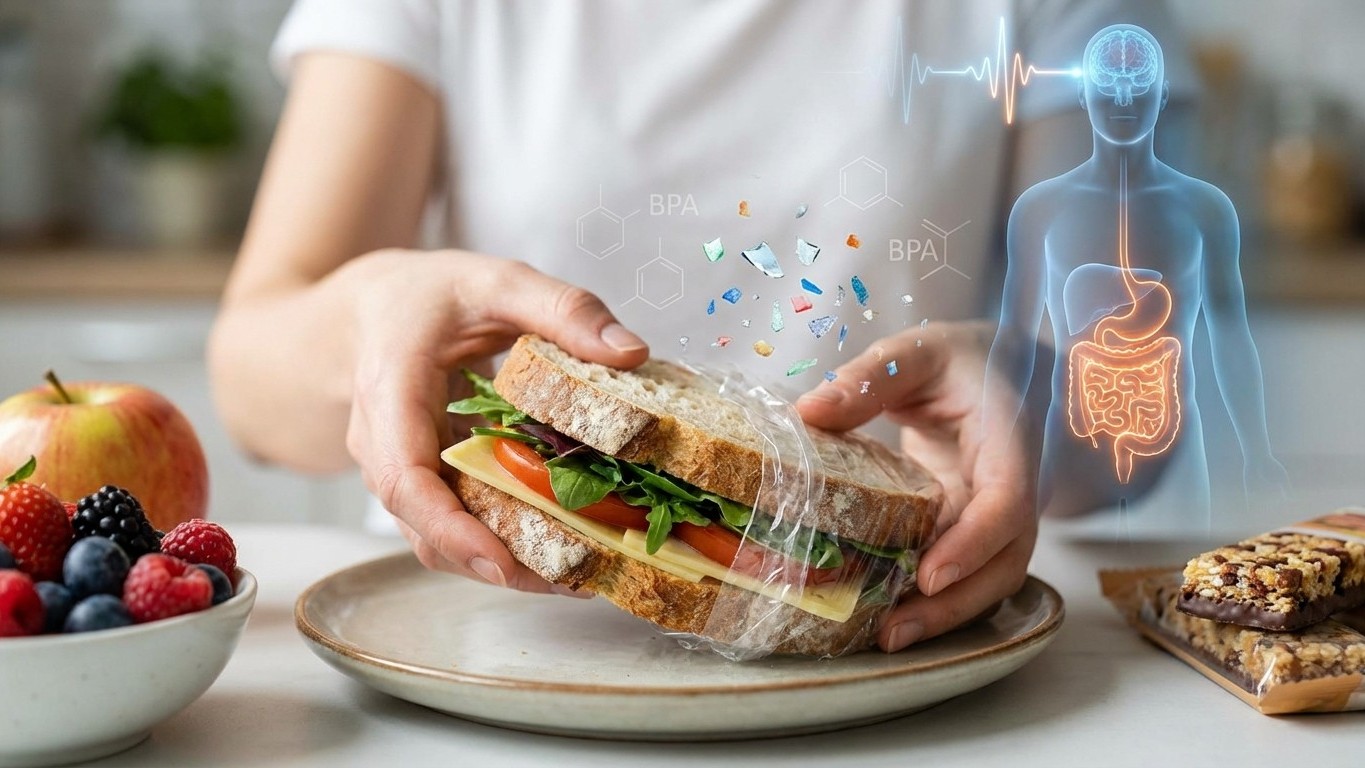
Imagine unwrapping a sandwich, the crinkle of plastic echoing in the air. You take a bite, savoring the flavors, unaware that with each mouthful, you’re ingesting more than just food. Recent investigations have unveiled a startling connection between the chemicals lurking in our meals and the rising tide of anxiety disorders.
Key takeaways
- Uncover invisible threats lurking within Everyday foods.
- Explore how gut health might connect to your mental well-being.
- Find out how tiny plastic particles could disrupt your mind and body.
The Hidden Culprits in Our Diet
Our modern diet is a complex tapestry woven with convenience and preservation. To achieve this, food manufacturers incorporate a myriad of additives, preservatives, colorants, flavor enhancers. While these substances extend shelf life and enhance taste, their impact on our health is becoming increasingly concerning.
Studies have shown that certain food additives can disrupt the gut microbiota, the vast community of microorganisms residing in our digestive tract. This disruption, known as gut dysbiosis, has been linked to a range of health issues, including metabolic and immune disorders. More alarmingly, there’s growing evidence suggesting a direct link between gut health and mental well-being. An imbalance in gut bacteria can influence brain function, potentially leading to anxiety and depression.
Microplastics: The Invisible Invaders
Beyond additives, our food is also contaminated with microplastics, tiny plastic particles less than five millimeters in size. These particles infiltrate our meals through various channels: from the breakdown of plastic packaging, during food processing, or even from the environment where our food is grown and harvested.
Research has detected microplastics in a wide array of food items, including seafood, salt, and even drinking water. Once ingested, these particles can accumulate in the body, potentially leading to inflammation and other health issues. The concern is not just about the physical presence of these particles but also the chemical additives they carry, such as phthalates and bisphenol A (BPA), known endocrine disruptors that can interfere with hormone function.
The Gut-Brain Axis: A Delicate Balance
The gut-brain axis is a bidirectional communication system between the gastrointestinal tract and the brain. This intricate network means that disturbances in the gut can have profound effects on mental health. For instance, inflammation caused by gut dysbiosis or the presence of harmful substances like microplastics can influence neurotransmitter production, potentially leading to mood disorders.
Moreover, the gut microbiota plays a crucial role in producing short-chain fatty acids and other metabolites that influence brain function. Disruptions in this delicate balance can impair cognitive function and emotional regulation, paving the way for anxiety and depression.
Empowering Choices for Mental Well-being
While the presence of these contaminants in our food supply is concerning, there are proactive steps we can take to mitigate their impact:
- Opt for Whole Foods: Choosing fresh, unprocessed foods reduces exposure to additives and potential contaminants.
- Mindful Packaging: Store food in glass or stainless steel containers to minimize plastic contact.
- Stay Informed: Educate yourself about food additives and their potential effects. Reading labels and understanding ingredient lists can empower better choices.
- Support Sustainable Practices: Advocate for and support policies that aim to reduce plastic pollution and promote sustainable food production.
Understanding the intricate relationship between our diet and mental health is a journey. By making informed choices and advocating for cleaner food practices, we can nourish not just our bodies but also our minds. After all, isn’t it time we considered not just what we eat, but how it affects our inner world?