
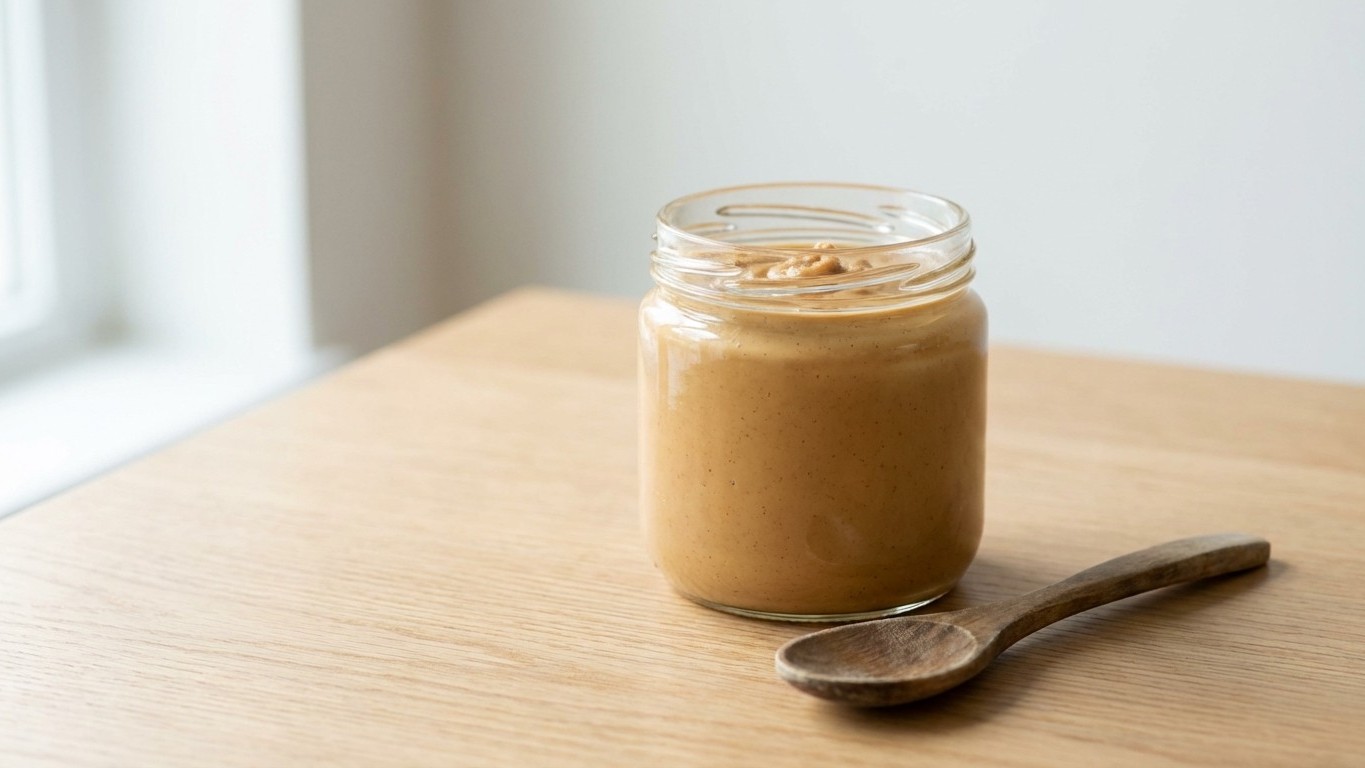
For years, peanut butter was my go-to protein source. Its creamy Texture and rich flavor made it a staple in my daily diet. I believed I was making a healthy choice, fueling my body with the protein it needed. But then, I stumbled upon a hidden downside that changed my perspective.
Key takeaways
- Is peanut butter really the protein powerhouse we think it is?
- The unexpected calories lurking in every serving could affect your diet.
- Additives and hidden toxins might change how you view your favorite spread.
The Protein Perception
Peanut butter is often lauded for its protein content. A standard two-tablespoon serving provides about 8 grams of protein. This makes it an attractive option for those looking to increase their protein intake, especially in plant-based diets. However, this perception doesn’t tell the whole story.
The Caloric Conundrum
While peanut butter does offer protein, it’s also highly caloric. That same two-tablespoon serving packs approximately 190 calories, with 16 grams of fat. This means that for every gram of protein, you’re consuming about 24 calories. In contrast, foods like chicken breast or Greek yogurt provide more protein with fewer calories. For instance, a 3-ounce serving of skinless chicken breast offers about 26 grams of protein for roughly 140 calories.
Relying heavily on peanut butter for protein can inadvertently lead to excessive calorie intake, potentially resulting in weight gain if not balanced with physical activity. This is particularly concerning for those monitoring their caloric intake for weight management.
Beyond Calories: Nutritional Considerations
Peanut butter’s nutritional profile extends beyond its calorie and protein content. It’s rich in monounsaturated fats, which are beneficial for heart health. However, many commercial peanut butter brands contain added sugars, hydrogenated oils, and excessive sodium. These additives can diminish the health benefits and contribute to other health issues, such as increased risk of heart disease and hypertension.
Moreover, peanuts are susceptible to aflatoxin contamination, a toxin produced by certain molds. While regulatory agencies monitor and limit aflatoxin levels in food products, the risk, albeit small, still exists. Chronic exposure to aflatoxins has been linked to liver damage and cancer.
Balancing the Benefits and Drawbacks
Does this mean peanut butter should be banished from our diets? Not necessarily. When consumed in moderation and as part of a balanced diet, peanut butter can be a nutritious addition. The key lies in portion control and choosing natural varieties without added sugars or unhealthy fats.
For those seeking to increase their protein intake without the extra calories, incorporating a variety of protein sources is advisable. Lean meats, legumes, dairy products, and plant-based proteins like tofu or tempeh can provide the necessary protein without the caloric density of peanut butter.
In the end, while peanut butter offers several nutritional benefits, it’s essential to be mindful of its caloric density and potential additives. By diversifying protein sources and paying attention to portion sizes, you can enjoy peanut butter without compromising your dietary goals.