
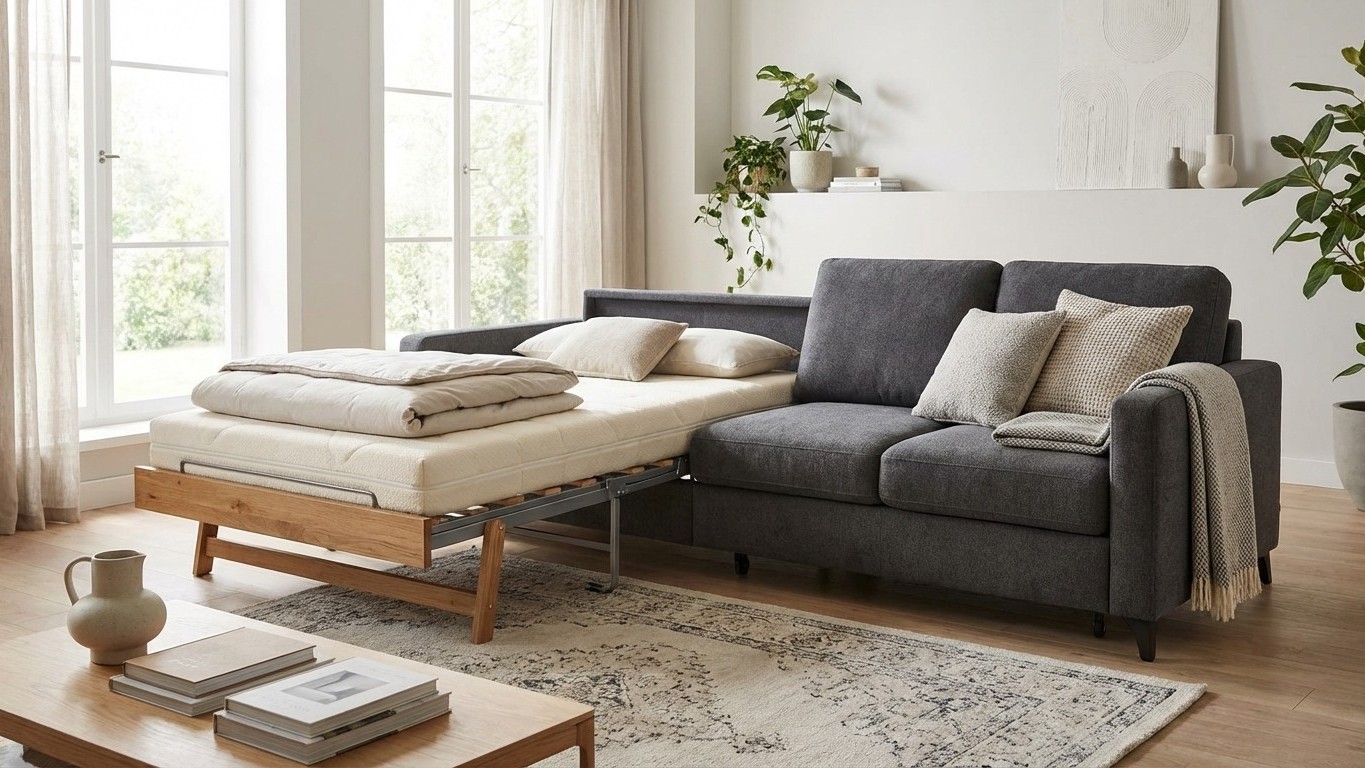
After a year of nightly encounters with my sofa bed, I can confidently say that Most People are approaching this furniture choice completely wrong. What seemed like a brilliant space-saving solution turned into a daily reminder of a purchasing decision I’d rushed into without considering the most crucial factor: the sleeping experience itself.
The mistake isn’t about size, style, or even price. It’s about prioritizing the sofa function over the bed function, when in reality, if you’re planning to use it regularly for sleeping, the mattress quality should be your primary concern. This revelation hit me around month three, when my back started sending not-so-subtle protest signals every morning.
The Real-Life Reality Check
When shopping for my convertible sofa, I fell into the same trap as countless others. I was mesmerized by the sleek design, the smooth mechanism, and how perfectly it fit my living room aesthetic. The salesperson demonstrated the conversion process with theatrical flair, and I was sold on the convenience factor. What I didn’t do was lie down on the mattress for more than thirty seconds.
Living with a sofa bed daily taught me that the conversion mechanism, while important, becomes secondary when you’re facing eight hours of potential discomfort every night. That beautiful fabric and modern silhouette mean nothing when you’re tossing and turning on a thin, unsupportive mattress that feels more like a glorified cushion.
The turning point came when a friend visited and politely declined to sleep on my supposedly “comfortable” guest bed, opting instead for an air mattress on the floor. That’s when I realized I’d been making excuses for poor sleep quality, convincing myself it was acceptable because the sofa looked great during the day.
What Actually Matters in Sofa Bed Selection
Through trial and error—mostly error—I’ve learned that the mattress thickness and quality should be non-negotiable. Many sofa beds come with mattresses that are barely four inches thick, which might work for occasional use but becomes problematic for regular sleepers. The sweet spot seems to be around six to eight inches of quality foam or innerspring construction.
The frame construction is equally critical but often Overlooked. A wobbly or squeaky mechanism doesn’t just affect the conversion process; it impacts sleep quality through noise and instability. I discovered that solid hardwood frames with metal reinforcement provide the durability needed for frequent use, while cheaper particleboard constructions tend to wear down quickly under the stress of daily conversion.
Size considerations go beyond just fitting your room. A full-size sofa bed might seem adequate, but if you’re tall or share the bed occasionally, queen-size becomes essential for comfortable sleep. I learned this lesson during a particularly cramped night when I realized my feet were hanging off the edge—not exactly the restful experience I’d envisioned.
The Testing Strategy That Could Save Your Sleep
If I could redo my purchase, I’d spend at least fifteen Minutes lying on each potential sofa bed in full sleeping position. This means asking the store to convert it completely and actually lying down as if preparing for sleep. Most quality furniture stores accommodate this request because they understand the importance of the decision.
Pay attention to how the mattress feels along your spine, whether there are uncomfortable bars or mechanisms you can feel through the padding, and how much the entire unit moves when you shift positions. These factors become magnified over months of use.
Consider the conversion frequency in your decision-making process. If you’ll be converting it daily, invest in mechanisms that are smooth and don’t require significant physical effort. Some convertible designs are easier to operate than others, and this convenience factor becomes crucial when you’re tired at the end of a long day.
Making Peace with Compromise
The reality is that most sofa beds represent a compromise between seating comfort and sleeping comfort. However, understanding this compromise upfront allows you to make an informed decision rather than discovering limitations after months of use. Some newer designs are narrowing this gap significantly, offering improved mattress options and more sophisticated mechanisms.
My year-long experiment taught me that while dual-purpose furniture requires thoughtful consideration, it can work beautifully when chosen with realistic expectations and proper research. The key is prioritizing the function you’ll use most frequently while ensuring the secondary function meets your minimum comfort standards.
Don’t let the excitement of a space-saving solution overshadow the fundamental purpose of furniture: to serve your daily needs effectively. Whether you’re furnishing a studio apartment or creating a flexible guest room, remember that good sleep is worth the extra investment in quality construction and proper mattress support. Your future self—and your back—will thank you for taking the time to choose wisely rather than rushing into a purchase that looks good but sleeps poorly.