
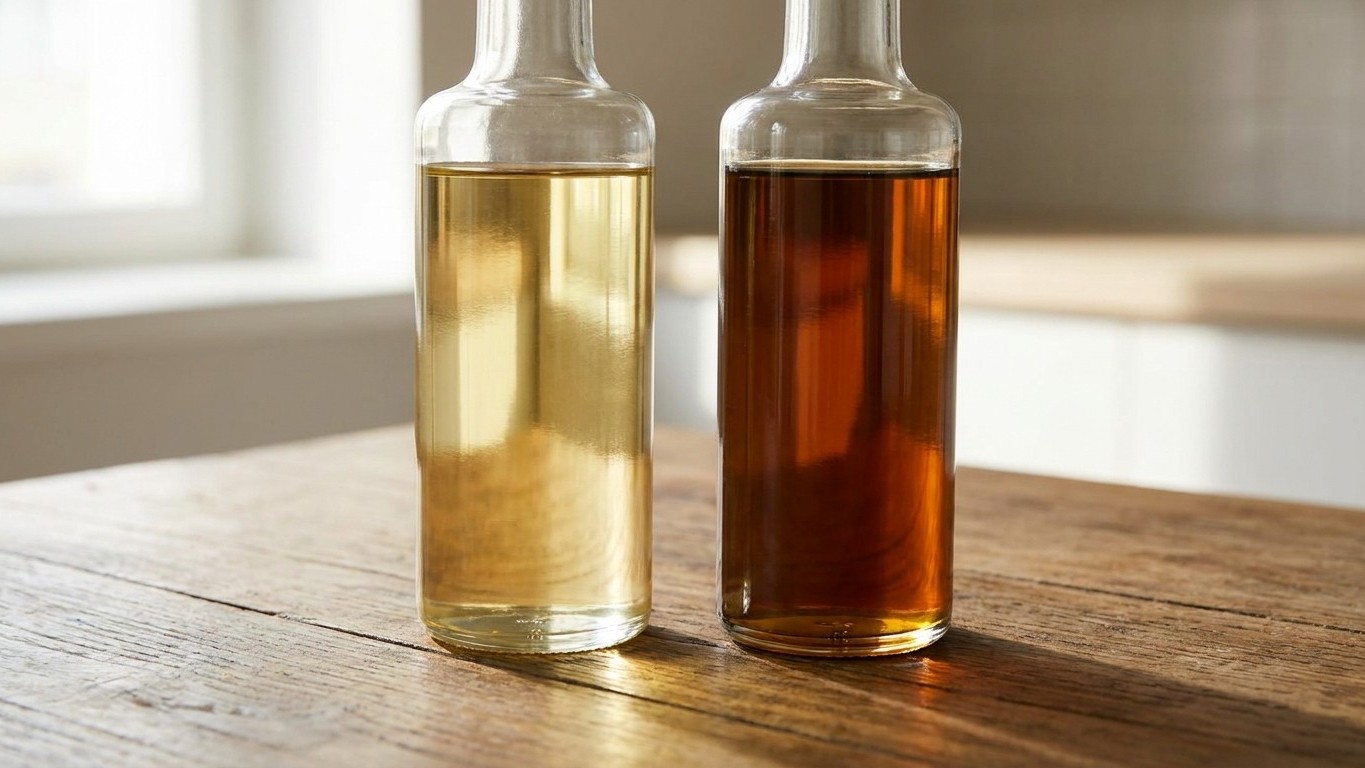
Toasted sesame oil should never touch a hot wok. That’s not a stylistic preference, it’s chemistry: the deep amber oil so many home cooks reach for the second ginger hits the pan actually starts breaking down well before frying temperatures kick in, turning that nutty aroma into something closer to burnt popcorn.
Toasted sesame oil has a lower smoke point of 350-400°F (177-204°C) and should only be used for finishing dishes or low-heat applications to preserve its delicate flavor and prevent harmful compounds from forming. Compare that to the temperature most stir-fries actually demand, and the math stops working almost immediately.
Key takeaways
- Most home cooks are using the wrong sesame oil for high-heat cooking without realizing it
- 80% of ‘plain’ sesame oils sold in Western stores are actually toasted—and they burn easily
- Professional chefs have figured out a two-oil strategy that transforms stir-fries
The temperature nobody’s checking
Here’s the part that trips up even seasoned cooks: not all sesame oil is created equal, and the bottle labeling doesn’t always make that obvious. Made from raw, un-toasted sesame seeds, this oil is light in color, ranging from pale yellow to a light gold, with a flavor that’s very mild, clean, and neutral, pressed without any heat treatment beforehand. That’s the version built for the pan. It’s best for high-heat cooking like frying and sautéing, due to its higher smoke point (around 410°F or 210°C).
The toasted version tells a completely different story. It’s made from sesame seeds that have been toasted before pressing, which dramatically changes the oil’s character, with a color that’s deep amber or brown, and a flavor that’s intensely nutty, rich, and aromatic. That intensity comes at a cost. The roasting process that creates toasted sesame oil breaks down some of the compounds that would otherwise help it withstand heat, which is exactly why it collapses so fast in a hot pan.
Confusing the two isn’t a rare rookie mistake, either. Most bottles labeled “pure sesame oil” in Western stores are actually toasted, and America’s Test Kitchen found 80% of “plain” oils contain roasted seeds. So the person who’s been frying their ginger in what they thought was a neutral oil this whole time might not even have realized which bottle was on the counter.
Why the ritual sticks around anyway
Frying aromatics in that dark, glossy oil feels like the “right” way to start a stir-fry. It smells incredible standing over the pan. The problem is that smell is precisely the tell that things have already gone wrong. The pleasant nutty aroma transforms into bitter, acrid notes, beneficial compounds like sesamol and sesamin break down, and the oil forms harmful compounds including acrolein, a respiratory irritant, and potentially carcinogenic polycyclic aromatic hydrocarbons.
Franchement, that’s the kind of tendance that survives on instinct rather than instruction. Nobody explains the mechanism, so the habit just gets inherited, kitchen to kitchen. And the professionals clearly know better than to repeat it: a 2024 culinary survey by the European Chef Association found that 78% of chefs use refined sesame oil for wok cooking but reserve toasted oil for finishing dishes. That split isn’t a stylistic quirk. It’s damage control.
The moment nobody talks about
So when does the toasted bottle actually earn its place? At the very end. Off the heat, or barely on it. Add toasted sesame oil only during the final minute of cooking or as a finishing touch to preserve its delicate flavor. A teaspoon stirred into rice right before serving, a few drops over a bowl of ramen, a splash whisked into a cold noodle dressing with rice vinegar and soy. That’s the whole job description.
For stir-frying, use refined sesame oil or a neutral oil, then finish with a teaspoon of toasted sesame oil off the heat. The ginger and garlic still get their moment, just in a different bottle. A recipe for winter chicken and vegetable stir fry that utilizes both sesame oil and vegetable oil shows how integrating sesame oil into stir fry dishes gives the dish a more dynamic and rich flavor without asking the toasted oil to do a job it was never built for.
A little goes further than people expect, too. Toasted sesame oil has a strong flavor, so it should be used in small amounts, and a few drops are often enough to enhance a dish. Drowning a bowl in it doesn’t intensify the effect, it just flattens everything else on the plate. The oil is meant to punctuate a dish, not narrate the whole thing.
What actually belongs in the hot pan
For the searing, the sautéing, the actual frying of that minced ginger, the answer is almost boringly simple. Light sesame oil should be used for frying and sautéing. Some cooks skip sesame oil at the aromatics stage entirely and reach for something even more heat-stable. If you’re going to be cooking at high heat, you will be better off using canola oil, grapeseed oil, or corn oil, all of which have higher smoke points. The toasted bottle stays capped on the counter, waiting for its actual cue.
One detail worth keeping in mind for storage: that bottle degrades faster than people assume once it’s opened. Since it is made from roasted seeds, it is more sensitive to light and air. Keep it somewhere dark and cool, use it within a few months, and it will still be doing its real job, the one that happens after the heat is already off, long after that ginger has finished frying in something else entirely.
Sources : tastingtable.com | yahoo.com