“I thought my tomatoes were just thirsty”: why the flowers were falling off without ever forming a single fruit above 32°C

'I thought my tomatoes were just thirsty': why the flowers were falling off without ever forming a single fruit above 32°C

Those brown, curling tomato flowers dropping from healthy vines aren’t a sign of drought—they’re a symptom of heat damage to pollen that occurred weeks earlier. When temperatures exceed 32°C, tomato pollen loses its viability, triggering the plant to abort flowers before energy is wasted. Shade cloth and consistent watering can make the difference.

“I thought reheating it killed everything”: why cooked rice left out on the counter must go in the fridge within two hours

'I thought reheating it killed everything': why cooked rice left out on the counter must go in the fridge within two hours

Cooking kills most bacteria, but not Bacillus cereus spores—and reheating won’t destroy the heat-stable toxins they produce. A single bowl of rice left on the counter can trigger severe food poisoning, which is why the two-hour refrigeration window is non-negotiable.

“I thought colder meant cooler”: why an icy shower before sleep is exactly what stops your body from releasing heat

'I thought colder meant cooler': why an icy shower before sleep is exactly what stops your body from releasing heat

You’ve been wrong about cold showers and sleep. That icy blast doesn’t cool your body down—it actually prevents the heat loss your brain needs to trigger sleep. The secret? Warm water, timed correctly, beats the ice every time.

Why Cut Melon Becomes a Bacterial Buffet in Summer Heat

Why Cut Melon Becomes a Bacterial Buffet in Summer Heat

That beautiful sliced melon on your summer appetizer table isn’t just sitting there—it’s becoming a breeding ground for dangerous bacteria like Salmonella and E. coli. Unlike acidic fruits, melon flesh offers almost no natural defense, and the danger is invisible: contaminated fruit looks and tastes perfectly fine. Here’s what food safety experts want you to know.

Why Your Fan Makes Heat Worse Above 95°F: What the WHO Doesn’t Tell You Until It’s Too Late

Why Your Fan Makes Heat Worse Above 95°F: What the WHO Doesn't Tell You Until It's Too Late

During last week’s heatwave, sleeping with a fan on full blast left you more dehydrated and exhausted each morning. The WHO has a stark warning: electric fans stop cooling and start harming once temperatures exceed 95°F. Here’s the physics behind why, and what actually works.

Why Cold Showers Backfire in the Heat: The Counterintuitive Science of Staying Cool

Why Cold Showers Backfire in the Heat: The Counterintuitive Science of Staying Cool

You rush into a freezing shower during a heatwave seeking instant relief—but your body responds by locking heat inside. Counterintuitively, lukewarm water and targeted pulse-point cooling work far better at regulating core temperature without triggering a dangerous rebound effect.

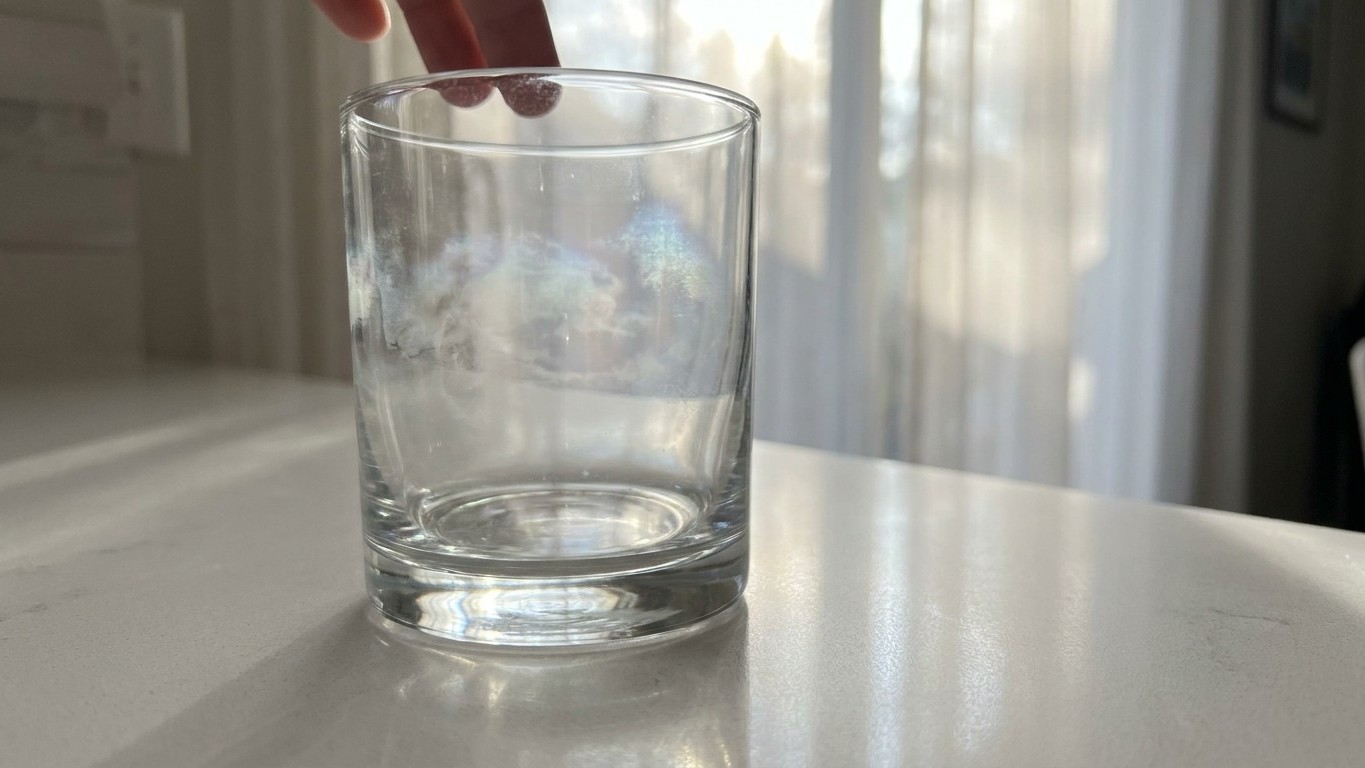
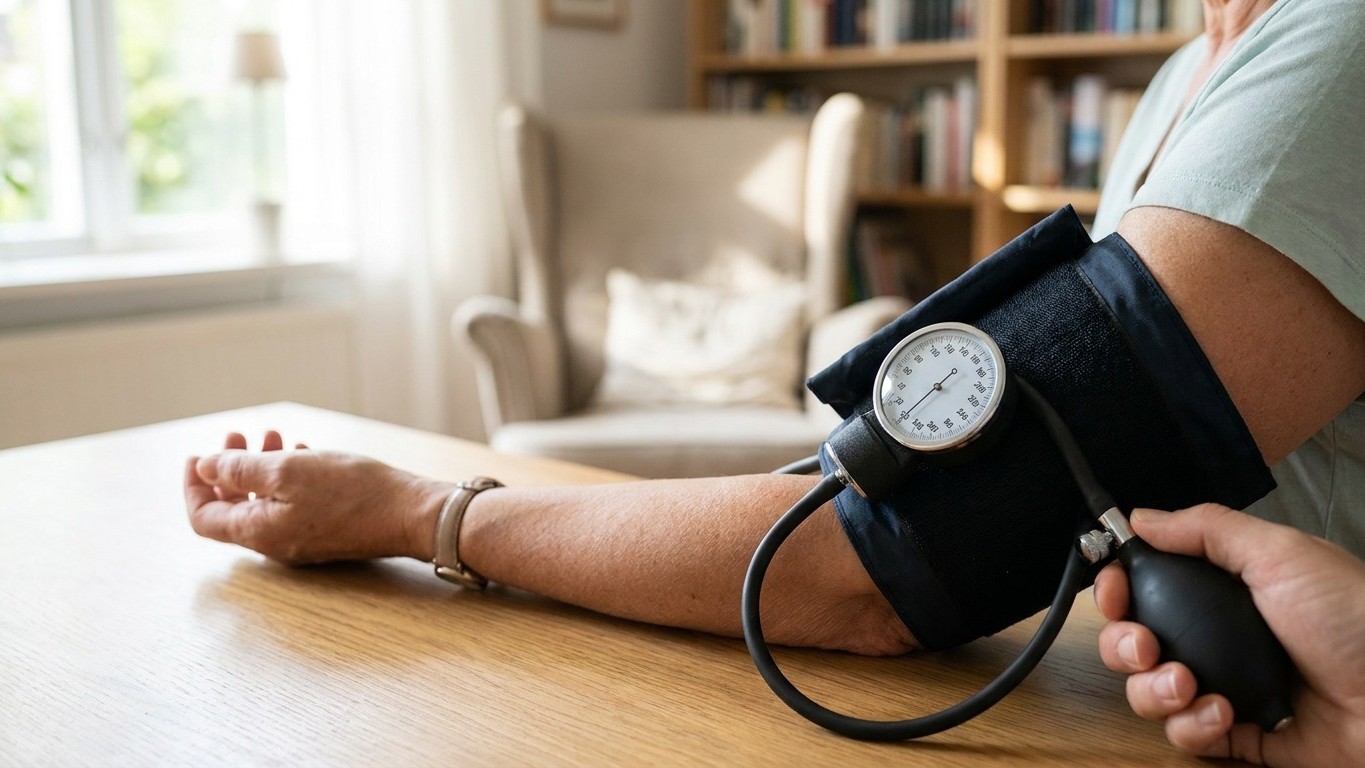
Why Thirst Is Unreliable After 60: The Hidden Dehydration Crisis Seniors Don’t See Coming

Why Thirst Is Unreliable After 60: The Hidden Dehydration Crisis Seniors Don't See Coming

After 60, the body’s thirst mechanism becomes dangerously unreliable—by the time an older adult feels thirsty, dehydration has already set in. This physiological shift explains why emergency rooms see summer spikes in senior dehydration cases, and why symptoms often get misdiagnosed as cognitive decline or falls instead.

Skip the Waiting Game: Why 10 Minutes of Walking Right After Eating Changes Your Blood Sugar Forever

Skip the Waiting Game: Why 10 Minutes of Walking Right After Eating Changes Your Blood Sugar Forever

For decades, we’ve been told to let our food digest before moving. A groundbreaking study reveals the opposite: walking for just 10 minutes immediately after eating is far more effective at controlling blood sugar spikes than waiting half an hour. This simple timing shift could transform how you manage energy crashes and metabolic health.