It’s over for frozen peas thawed for a salad: what −18 °C only puts on pause starts up again in the bowl
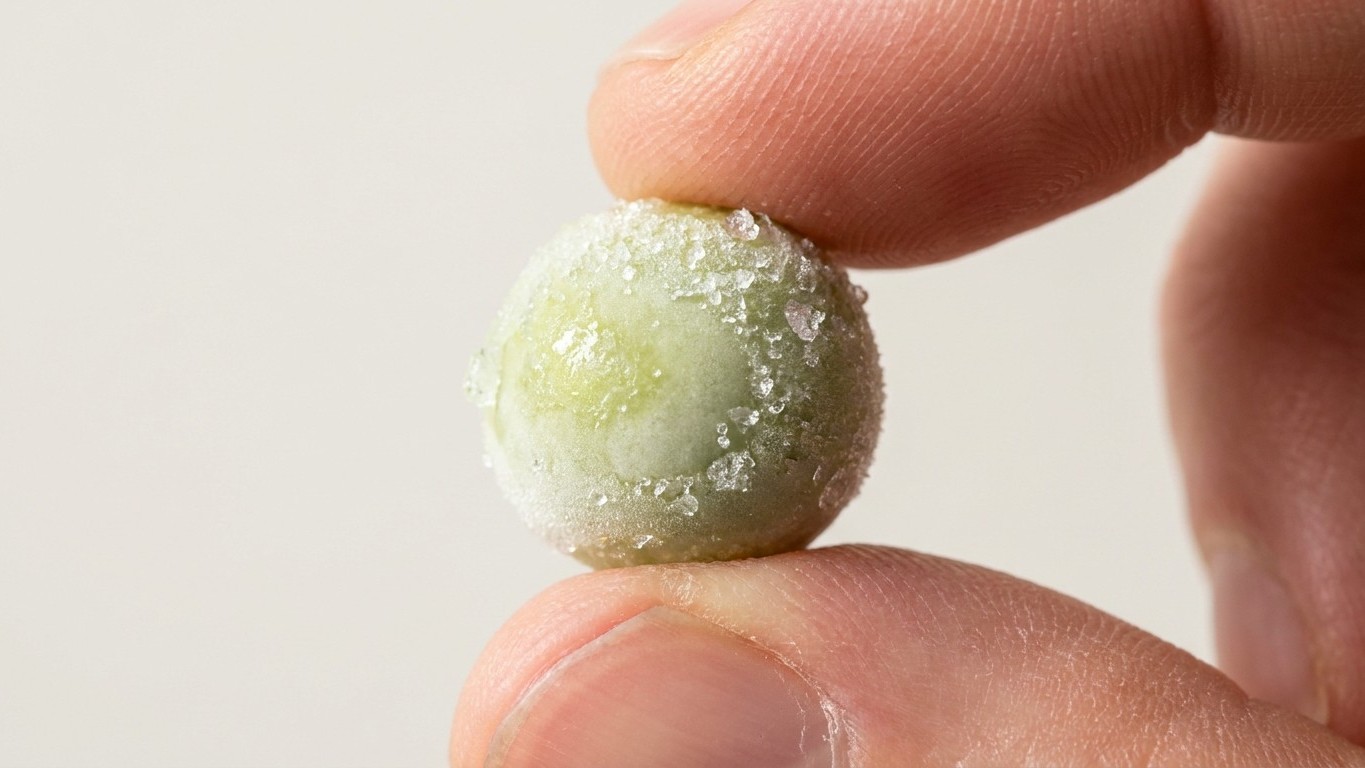
It's over for frozen peas thawed for a salad: what −18 °C only puts on pause starts up again in the bowl

That bag of frozen peas contains bacteria in suspended animation—and the moment they hit room temperature, they wake up and multiply rapidly. Discover why thawing at room temperature creates a bacterial danger zone and the simple techniques that actually work for safe, crispy salad peas.
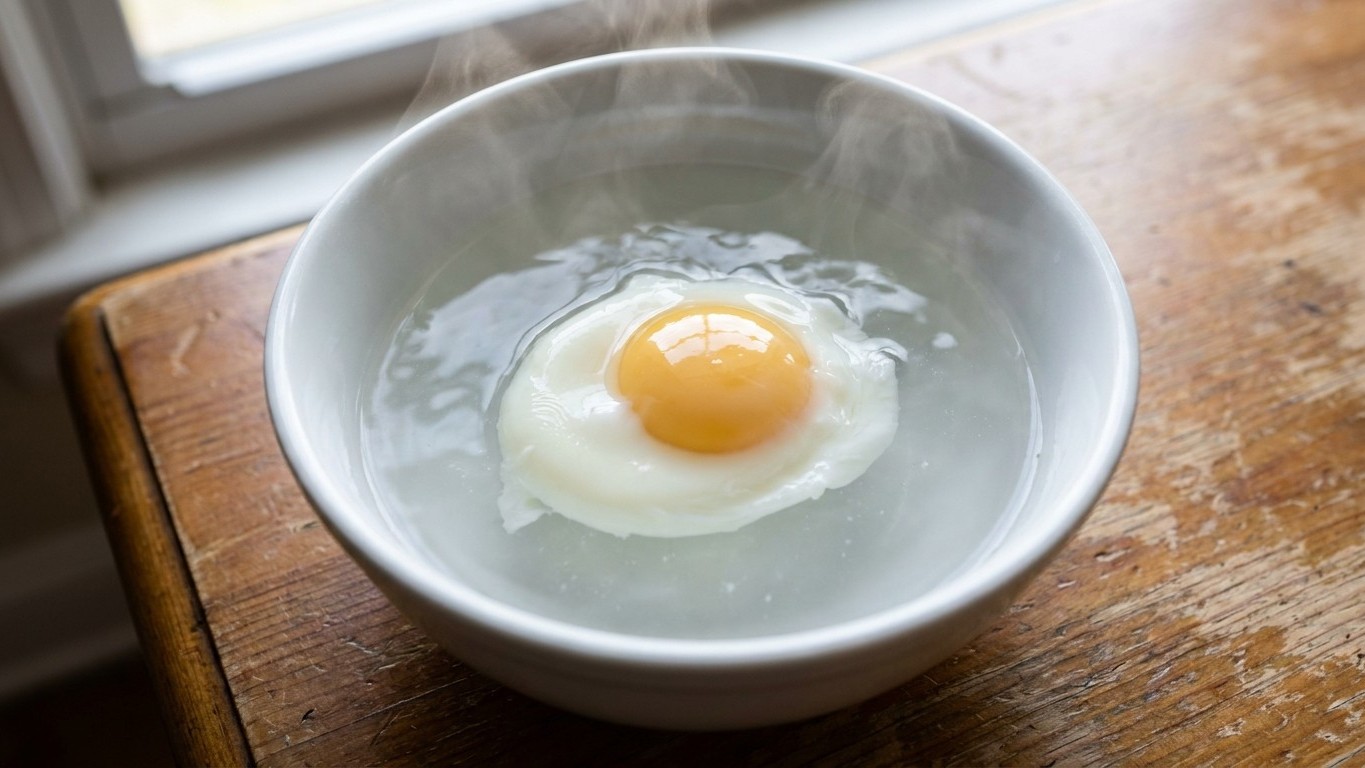
We all keep adding vinegar to the pan when our poached eggs fall apart, when the real answer is printed on the carton and it comes down to ten days

We all keep adding vinegar to the pan when our poached eggs fall apart, when the real answer is printed on the carton and ...

You’ve been adding vinegar to rescue your poached eggs, but the real answer is printed right on the carton. It’s not about technique—it’s about freshness, and there’s a specific ten-day window most home cooks never notice.

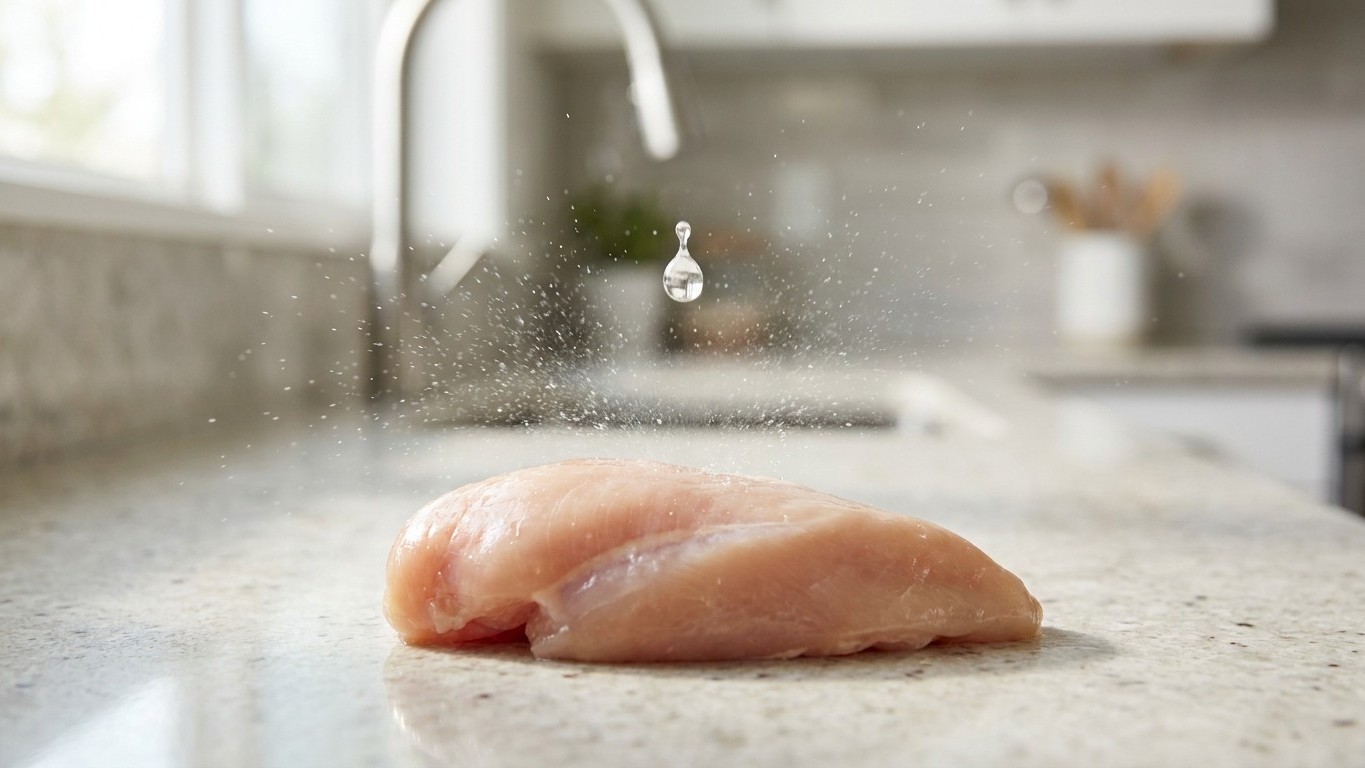
I rinsed my chicken under the tap for fifteen years just to clean it: the day someone swabbed my worktop, I understood what I’d been spreading

I rinsed my chicken under the tap for fifteen years just to clean it: the day someone swabbed my worktop, I understood wha...

For fifteen years, rinsing raw chicken seemed like basic kitchen hygiene—until a food safety consultant’s swab test revealed colonies of bacteria spread across the counter. The science is shocking: water doesn’t kill the bacteria that makes you sick; it launches them in an invisible mist up to three feet away.

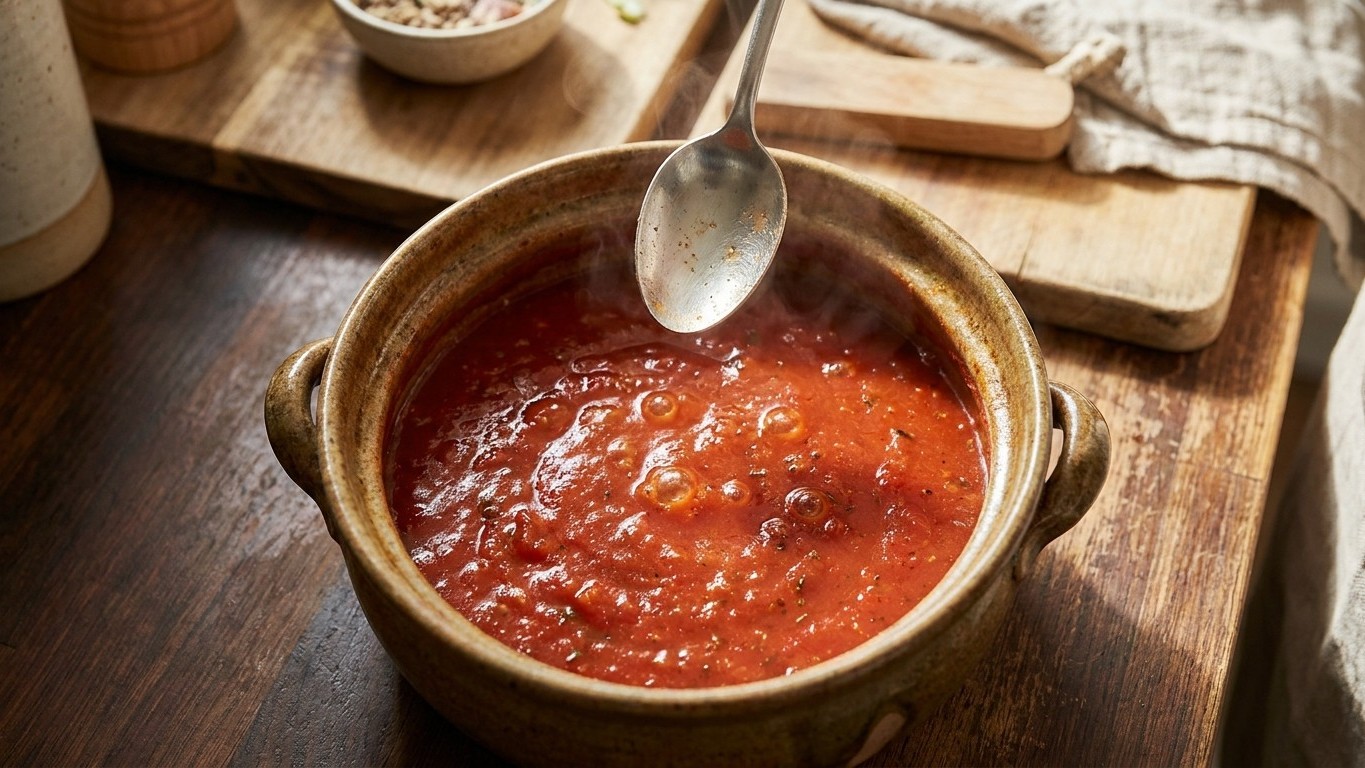
“I thought sugar fixed my acidic sauce”: why a pinch of baking soda does what sugar only masks

'I thought sugar fixed my acidic sauce': why a pinch of baking soda does what sugar only masks

You’ve been reaching for sugar to fix acidic sauce, but it’s only fooling your taste buds. Baking soda does what sugar can’t—it actually neutralizes the acid through a real chemical reaction. Learn when to use each, and why the choice matters more than you think.

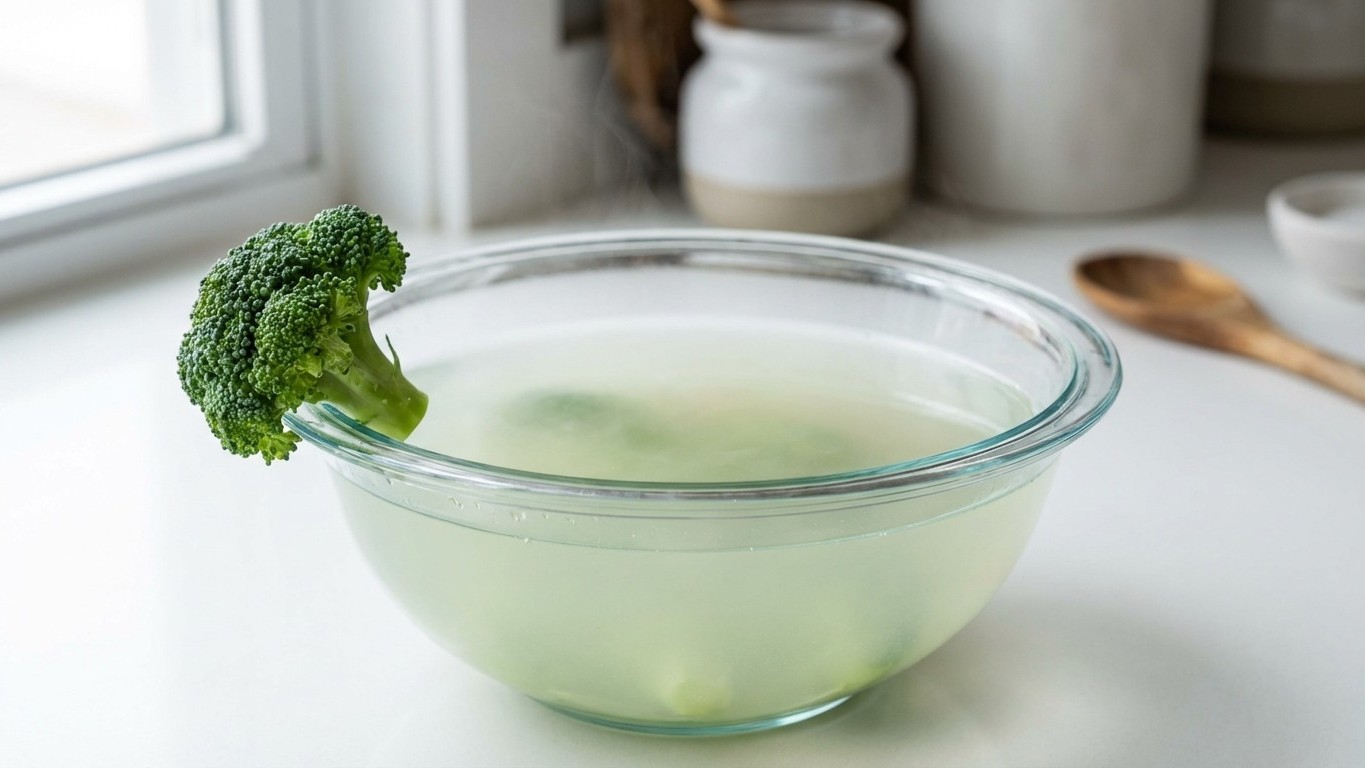
Stop Throwing Away Liquid Gold: What Nutritionists Know About Vegetable Cooking Water

Stop Throwing Away Liquid Gold: What Nutritionists Know About Vegetable Cooking Water

That cloudy water left after boiling vegetables isn’t waste—it’s a nutrient-rich broth packed with vitamins and minerals your body needs. A nutritionist reveals the science behind what’s actually in your cooking water and why most of us have been making an expensive mistake.