Why Cutting Mold Off Bread Is Dangerous: What Food Scientists Really Know

Why Cutting Mold Off Bread Is Dangerous: What Food Scientists Really Know

You’ve probably cut mold off bread and eaten the rest—but food safety experts say this common practice is scientifically wrong. Mold roots penetrate deep into bread’s porous structure, and invisible toxins called mycotoxins can spread farther than you think. Here’s what you need to know to keep your family safe.

Why Reheated Rice Sent Me to the Bathroom All Night: The Bacteria Your Microwave Can’t Kill

Why Reheated Rice Sent Me to the Bathroom All Night: The Bacteria Your Microwave Can't Kill

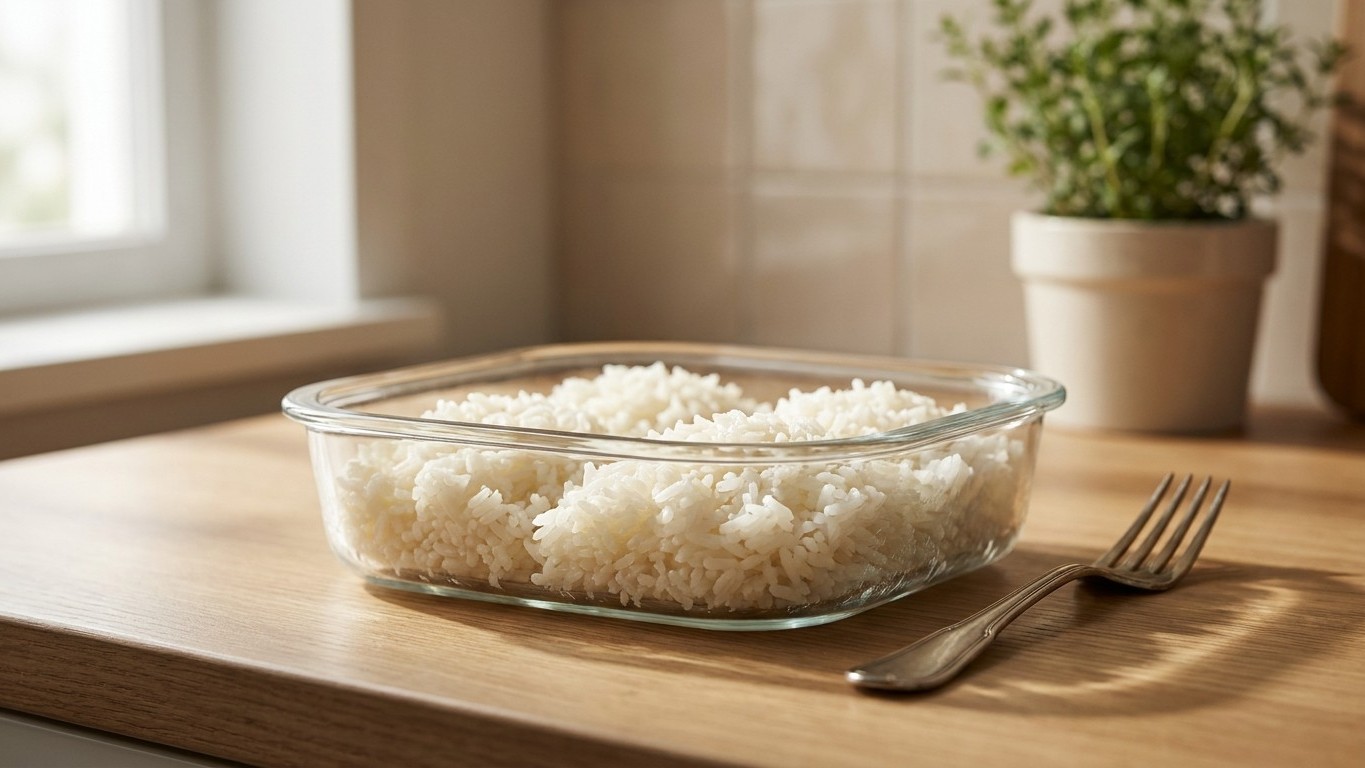
You reheat rice that looks and smells perfectly fine, but by evening you’re violently ill. The culprit isn’t bacteria—it’s heat-stable toxins produced by Bacillus cereus that your microwave can’t destroy. Here’s why this happens and how to prevent it.

Why Rinsing Fruit Under the Tap Isn’t Enough: What a Food Chemist Discovered on Your Apples

Why Rinsing Fruit Under the Tap Isn't Enough: What a Food Chemist Discovered on Your Apples

You’ve been rinsing fruit the same way for years, but a food chemist’s discovery reveals that tap water leaves dangerous pesticide residues behind. Most pesticides are hydrophobic and resist water alone, penetrating deep into fruit flesh where no amount of rinsing can reach them. The solution? It’s already in your pantry.

Your Kitchen Sponge Is a Bacterial Time Bomb—Here’s Why Day 7 Is the Hard Cutoff

Your Kitchen Sponge Is a Bacterial Time Bomb—Here's Why Day 7 Is the Hard Cutoff

Your kitchen sponge may be the dirtiest object in your home, harboring up to 45 billion bacteria per square centimeter. After seven days, microwaving can’t save it—and may actually create more dangerous strains. Here’s what science says you should do instead.

Your Scratched Non-Stick Pan Is Quietly Poisoning Your Food With Forever Chemicals

Your Scratched Non-Stick Pan Is Quietly Poisoning Your Food With Forever Chemicals

That scratched non-stick pan in your cabinet isn’t just old—it’s releasing millions of microplastic particles and toxic “forever chemicals” into your food with every meal. Scientists have found alarming levels of PFAS contamination in both traditional Teflon and ceramic-coated alternatives, raising urgent questions about cookware safety.