Why rinsing raw chicken in the sink spreads bacteria

I rinsed my chicken under the tap for fifteen years just to clean it: the day someone swabbed my worktop, I understood wha...

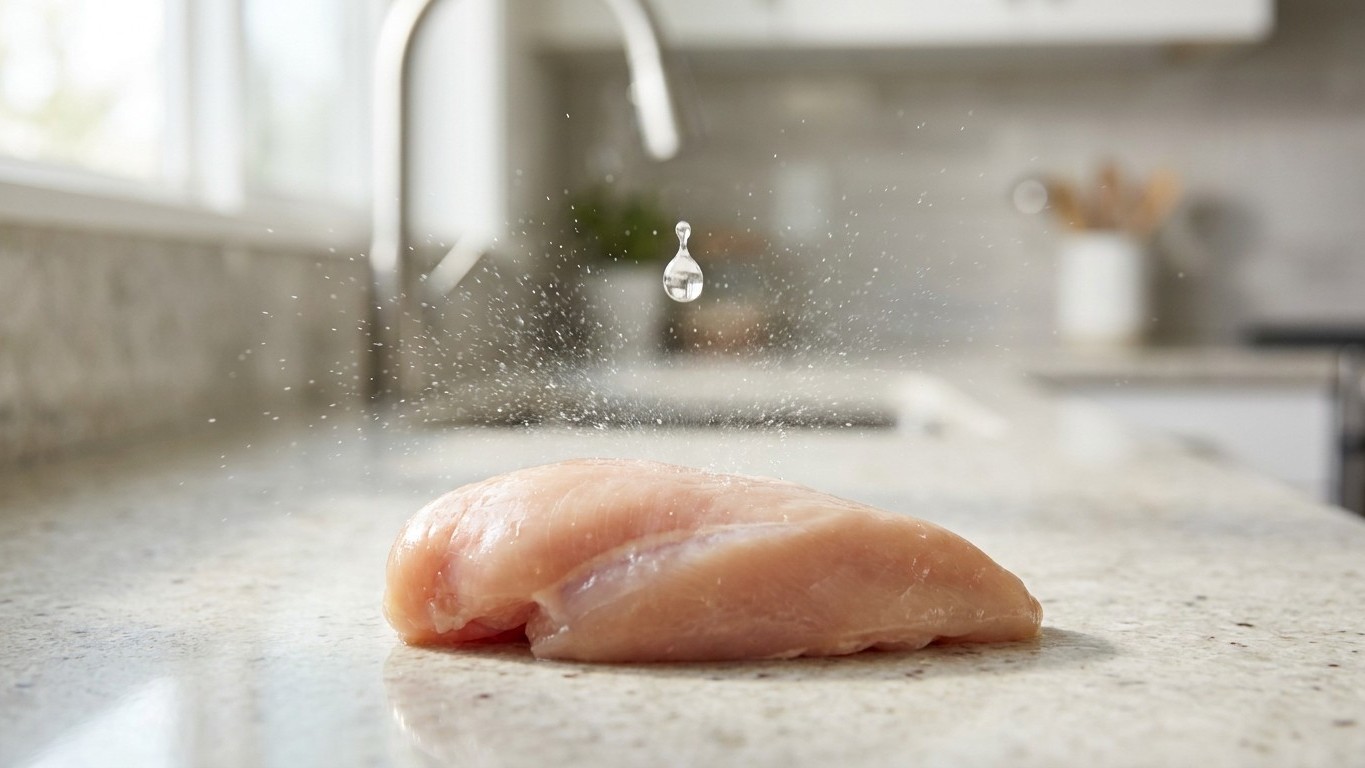
For fifteen years, rinsing raw chicken seemed like basic kitchen hygiene—until a food safety consultant’s swab test revealed colonies of bacteria spread across the counter. The science is shocking: water doesn’t kill the bacteria that makes you sick; it launches them in an invisible mist up to three feet away.

Why Carrefour France pulled Haut-Poitou melons over cadmium

« I thought it was just a labelling mistake »: why these loose melons were pulled from Carrefour shelves overnight

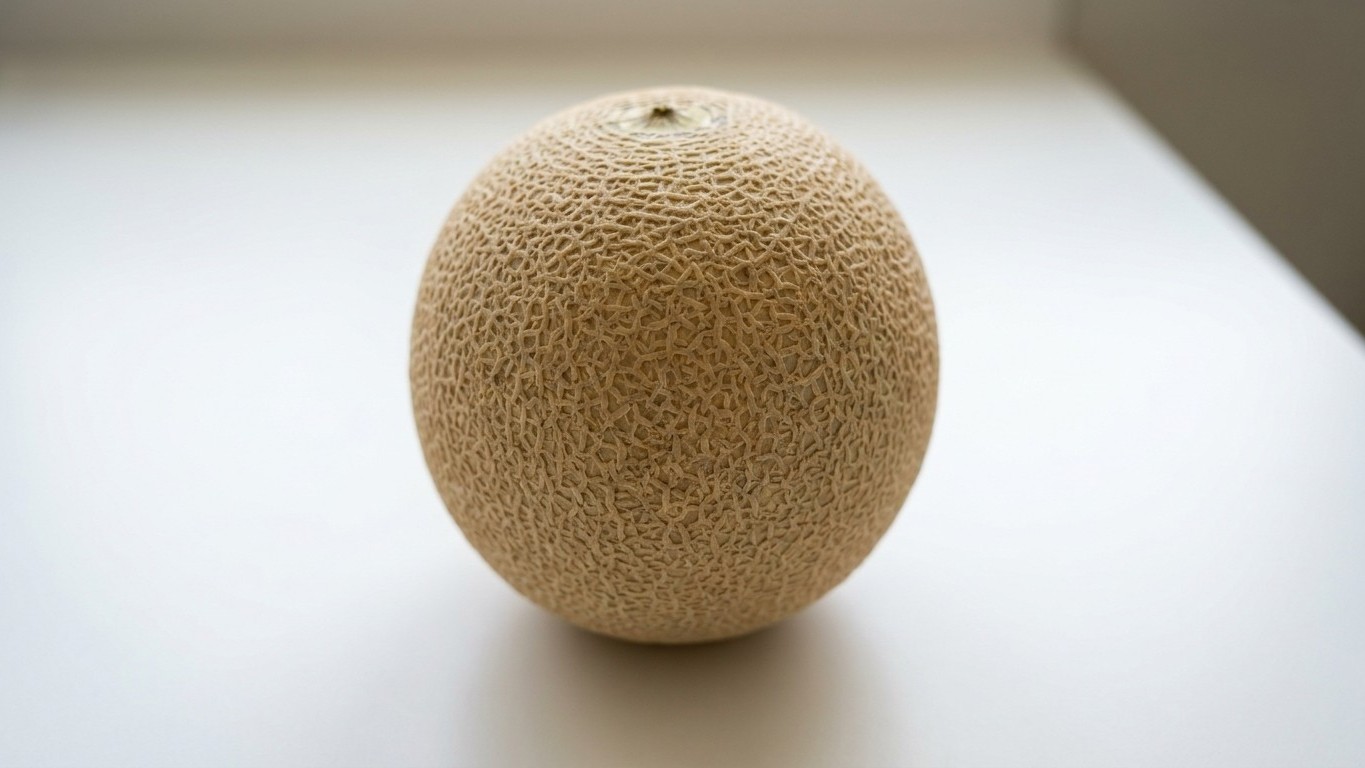
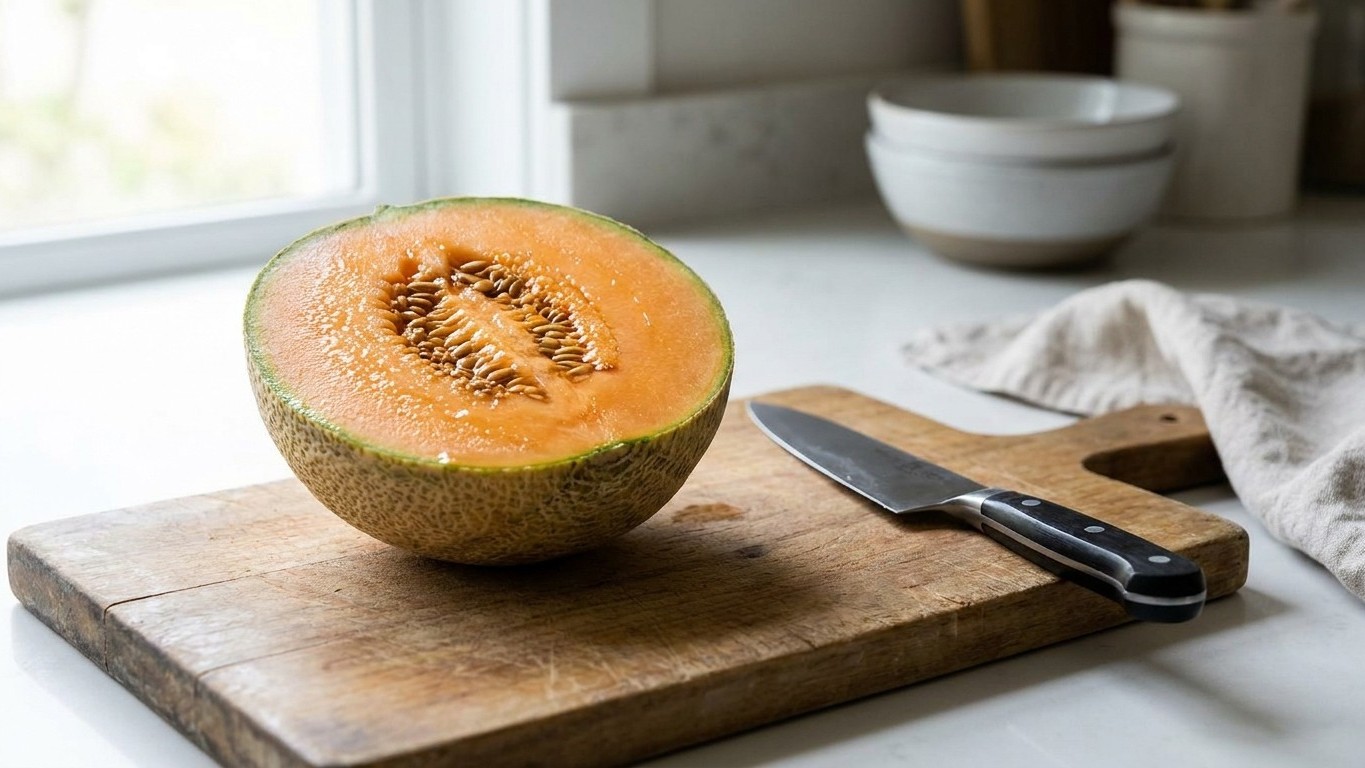
Loose Haut-Poitou melons disappeared from Carrefour shelves across France after tests revealed cadmium levels exceeding EU safety limits. The toxic heavy metal, invisible to the naked eye, accumulates in body tissue over time, prompting regulators to act fast on lab data alone rather than waiting for poisoning reports.

Why 4°C does not keep Listeria out of smoked salmon

I always kept smoked salmon in my fridge thinking the cold protected it: a food inspector showed me what was multiplying a...

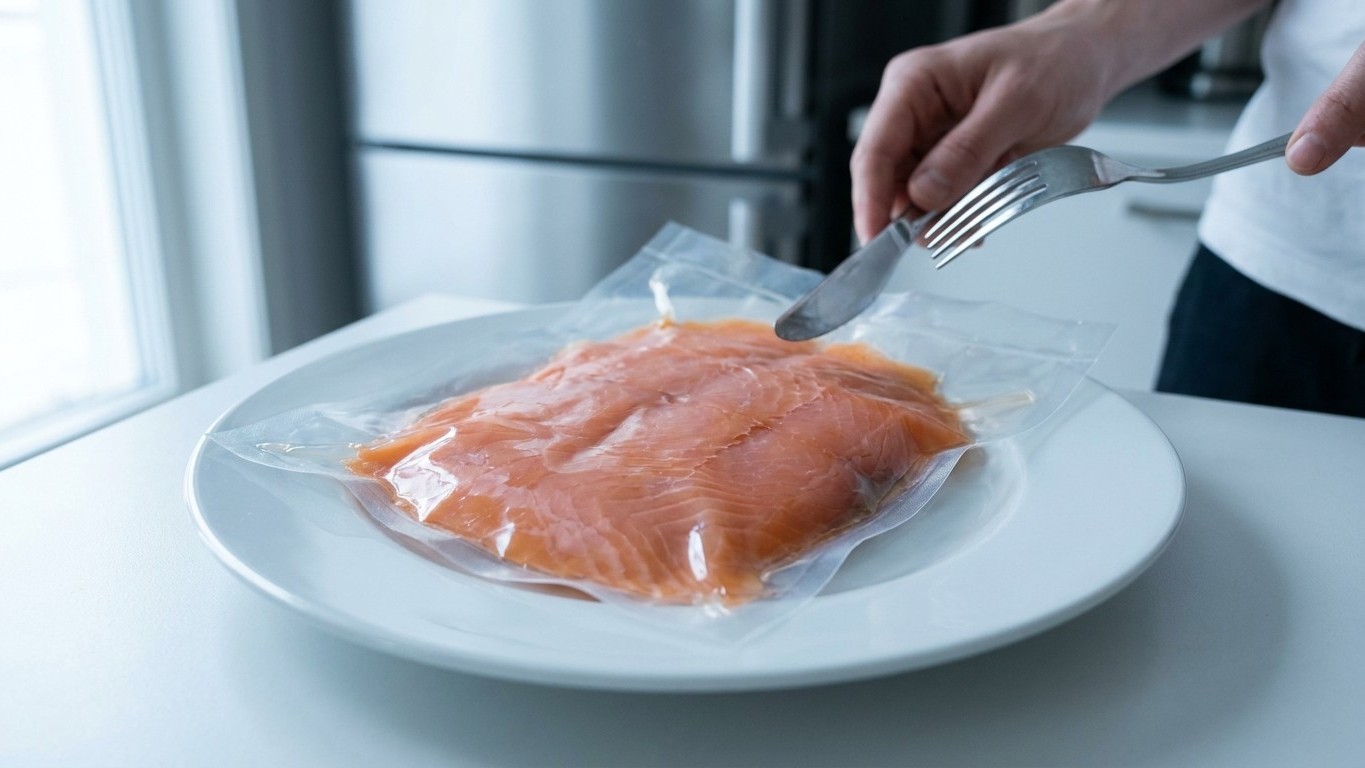
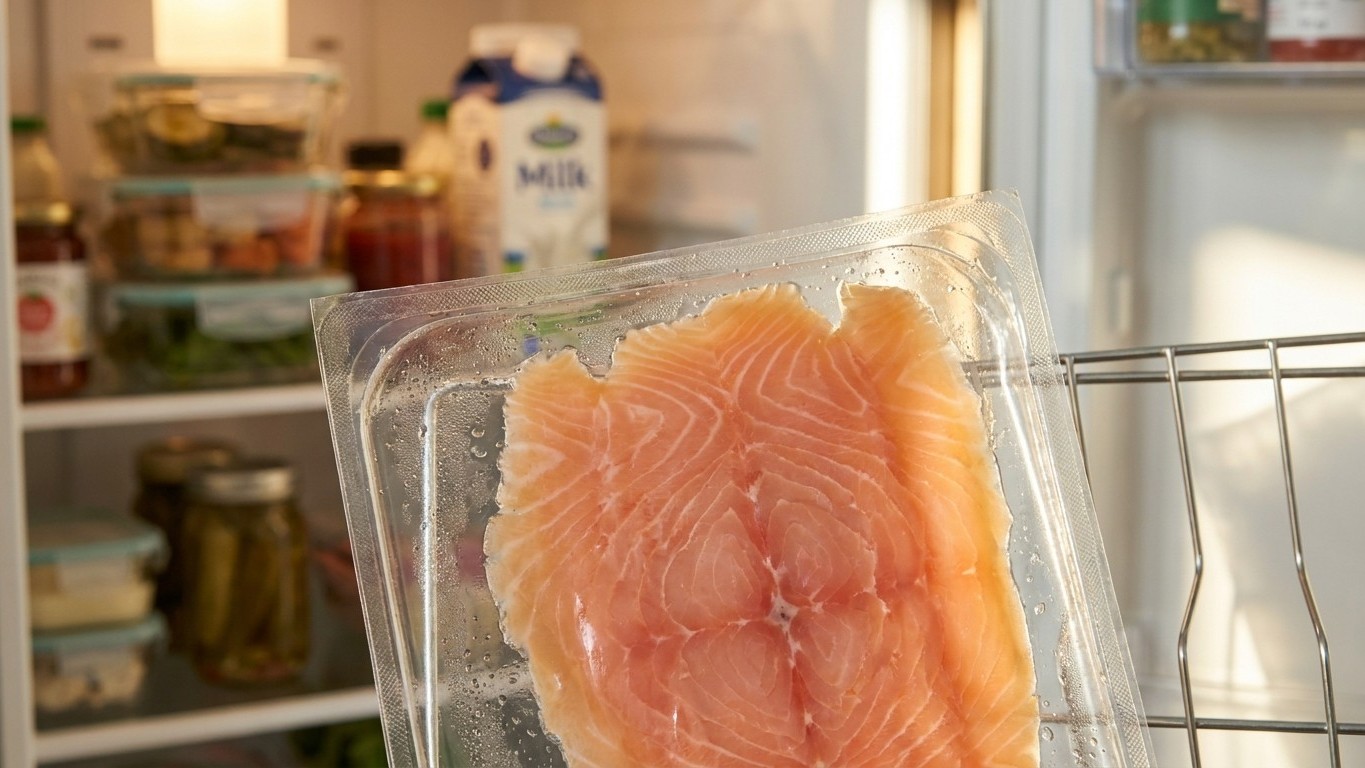
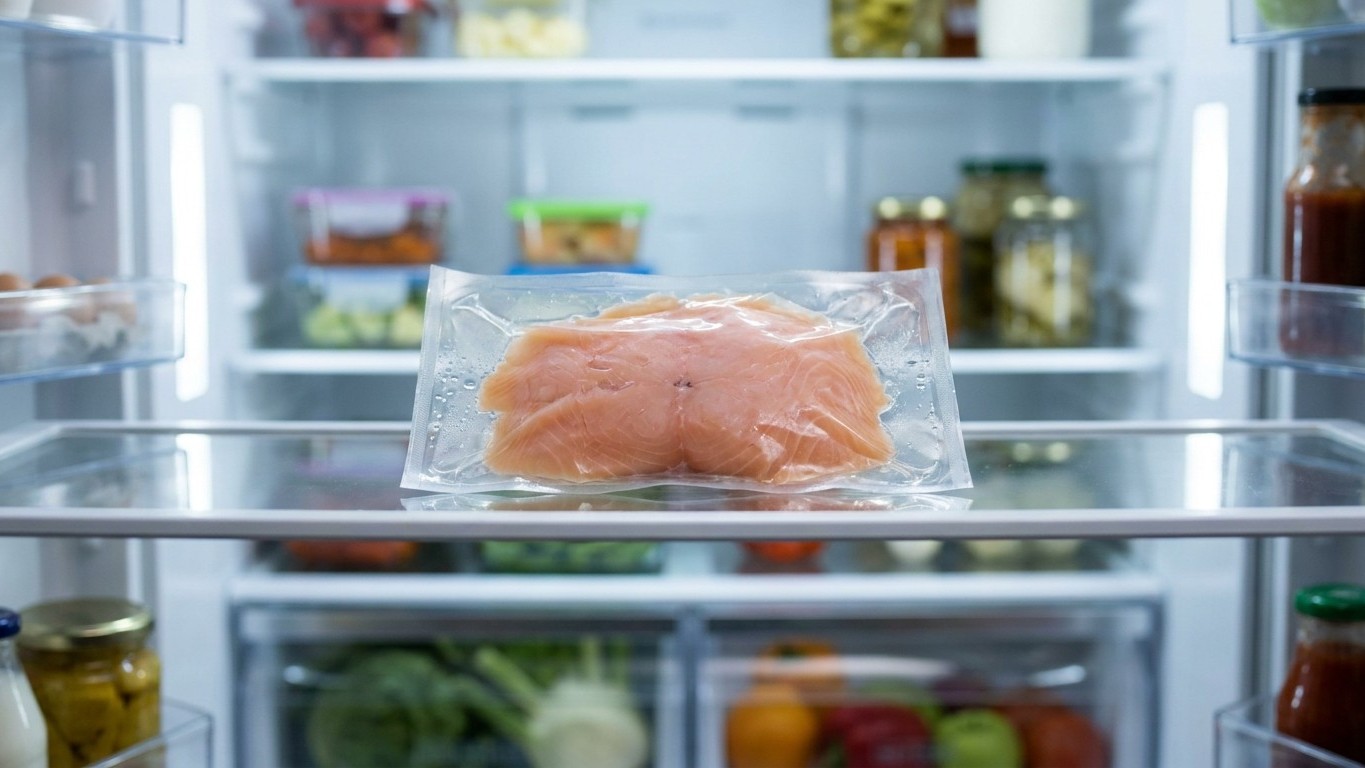
A food inspector’s shocking revelation: the refrigerator temperature you’ve trusted for years doesn’t protect smoked salmon from Listeria monocytogenes, a bacterium that actually thrives in the cold. This psychrotrophic pathogen multiplies quietly in vacuum-sealed packages, undetectable by sight, smell, or taste, with a 20% mortality rate.

Why refrigerating at 4°C does not make recalled smoked salmon safe

'I thought keeping it at 4°C in the fridge made it safe': why this recalled smoked salmon is a warning never to ignore

A Class I FDA recall of smoked salmon products reveals a terrifying truth: Listeria monocytogenes thrives in refrigerated conditions where most pathogens die. Experts explain why your fridge’s cold storage could be a slow-motion incubator for deadly bacteria, and how to actually protect yourself.

Why rice cooling on the counter grows a toxin reheating cannot destroy

Nobody pays attention to rice left cooling on the stove: it's quietly growing a toxin that no amount of reheating can destroy

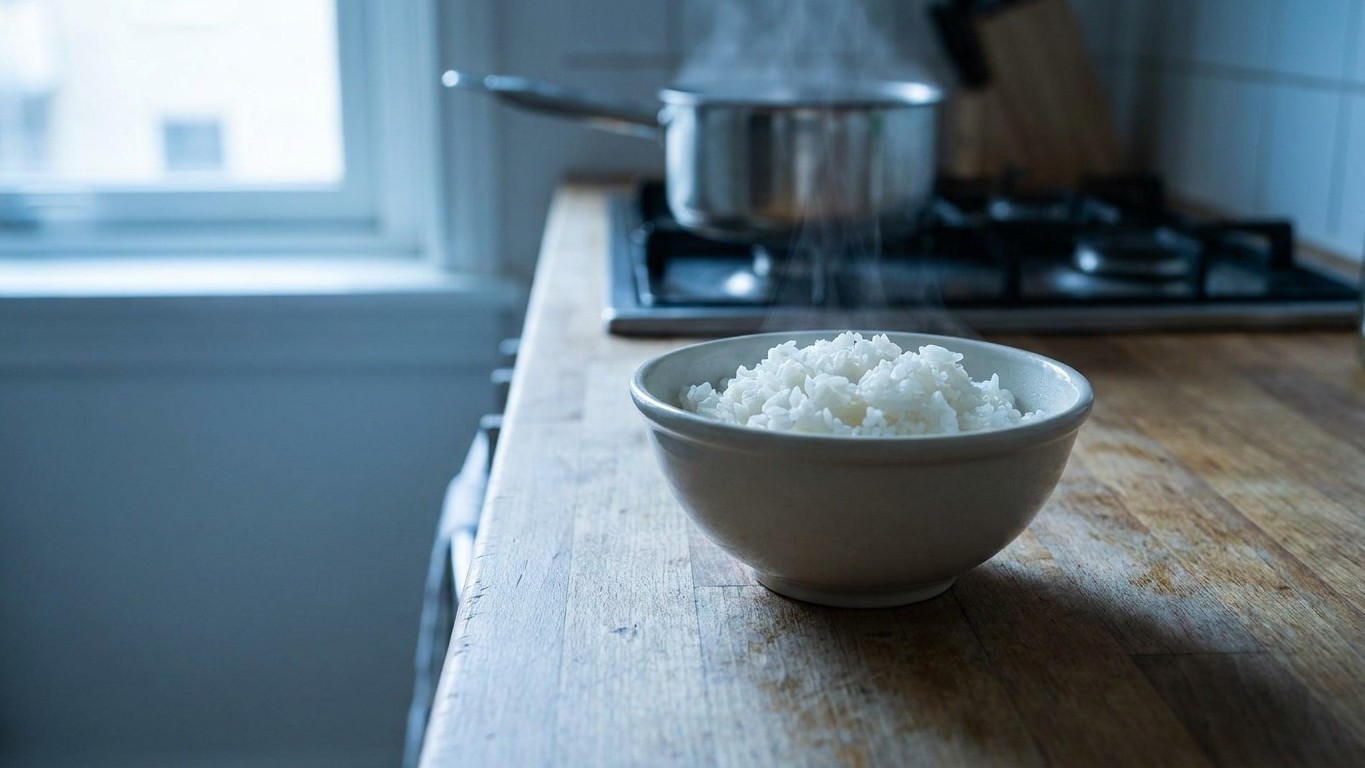
That bowl of rice cooling on your counter isn’t just sitting there innocently—it’s becoming a breeding ground for Bacillus cereus, a bacterium that produces a toxin no amount of reheating can destroy. This heat-stable toxin has hospitalized healthy adults and caused rare but serious complications. The fix is simple, but it requires breaking decades of kitchen habit.