I whisked a teaspoon of cornflour into my raw eggs just to use up the packet: the first morning the plate stayed dry, I understood what that puddle had always been
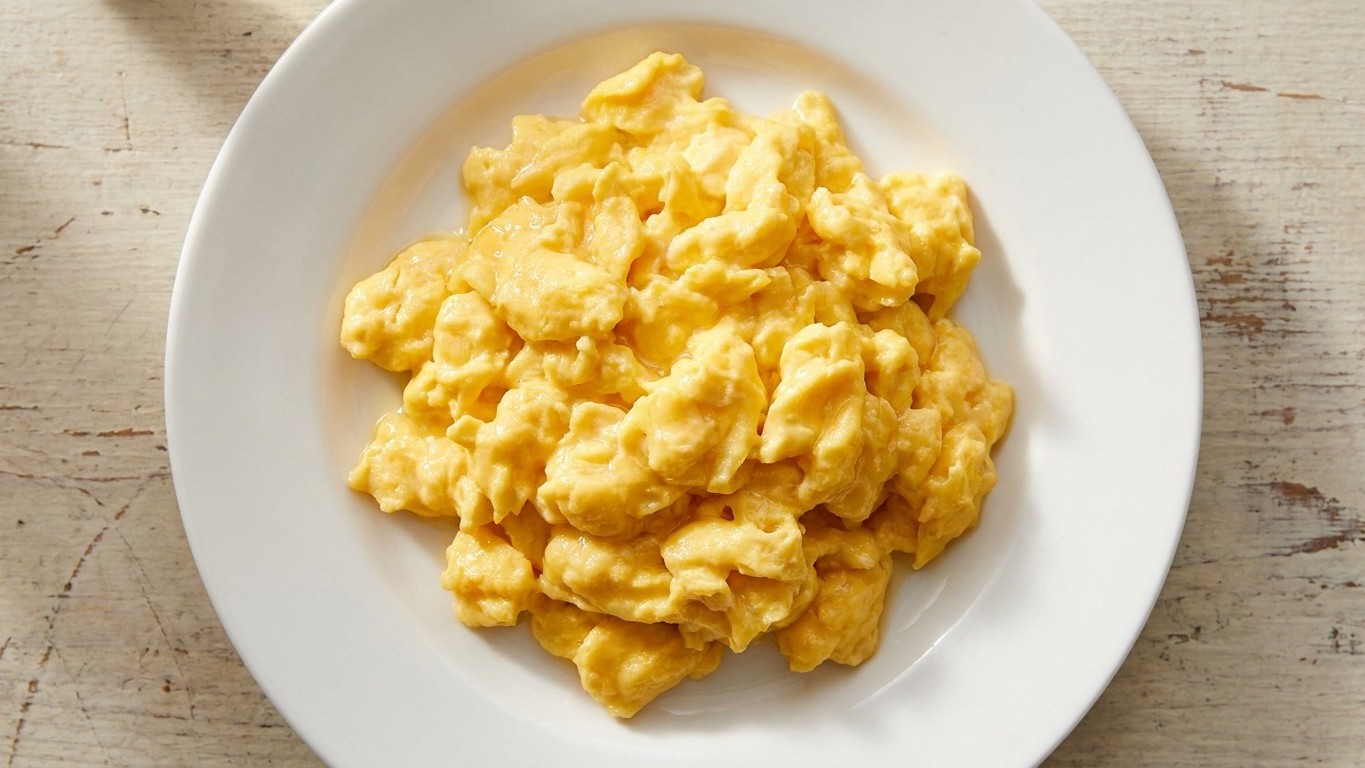
I whisked a teaspoon of cornflour into my raw eggs just to use up the packet: the first morning the plate stayed dry, I un...

That watery puddle on your plate isn’t a cooking mistake—it’s chemistry. A simple teaspoon of cornflour whisked into raw eggs prevents protein overcoagulation, keeping your scrambled eggs dry and custardy instead of rubbery and weeping.
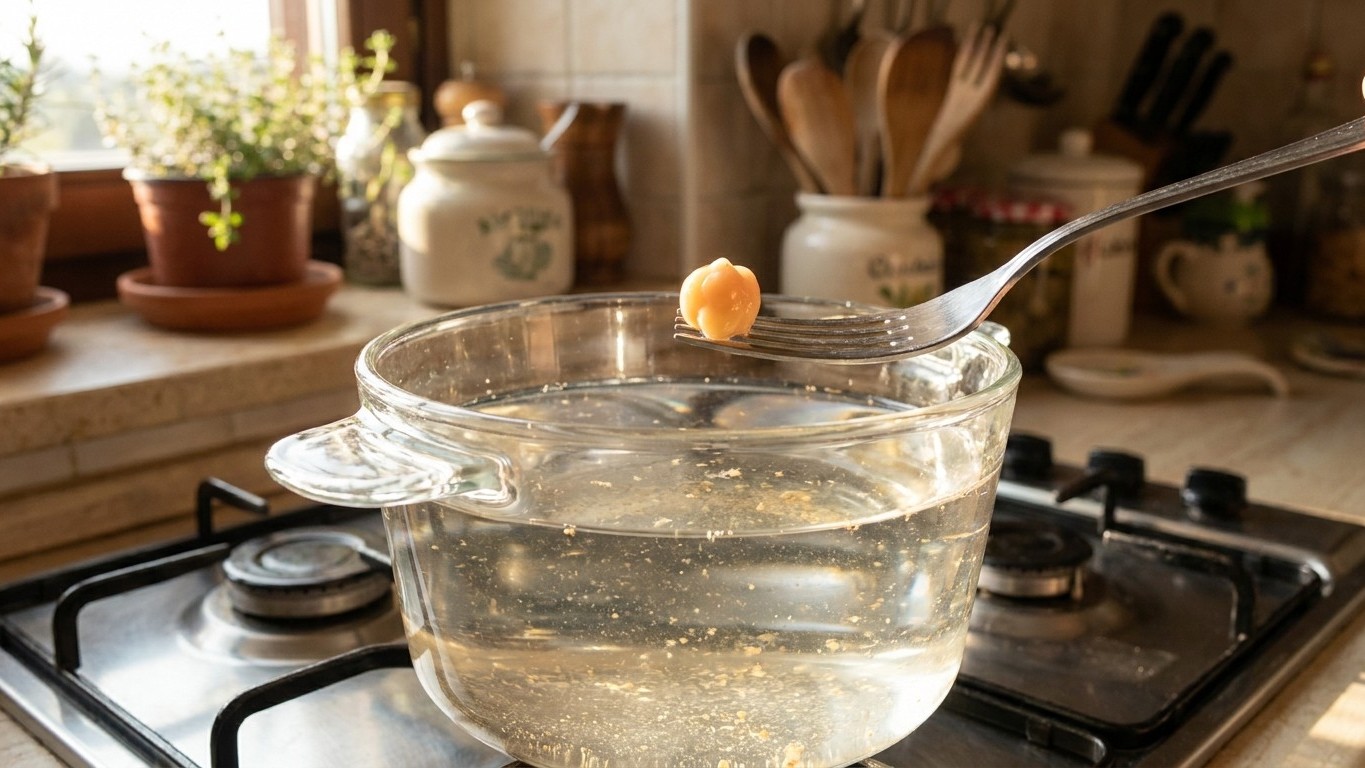
We all insist on blaming old chickpeas when they stay firm after three hours, when it’s what sits invisibly in the tap water that quietly seals the skins shut

We all insist on blaming old chickpeas when they stay firm after three hours, when it's what sits invisibly in the tap wat...

Three hours of simmering and your chickpeas still snap like stones? The culprit isn’t age or technique—it’s calcium and magnesium in your tap water that chemically reinforces bean cell walls. Learn the simple science and the surprisingly easy fixes that actually work.

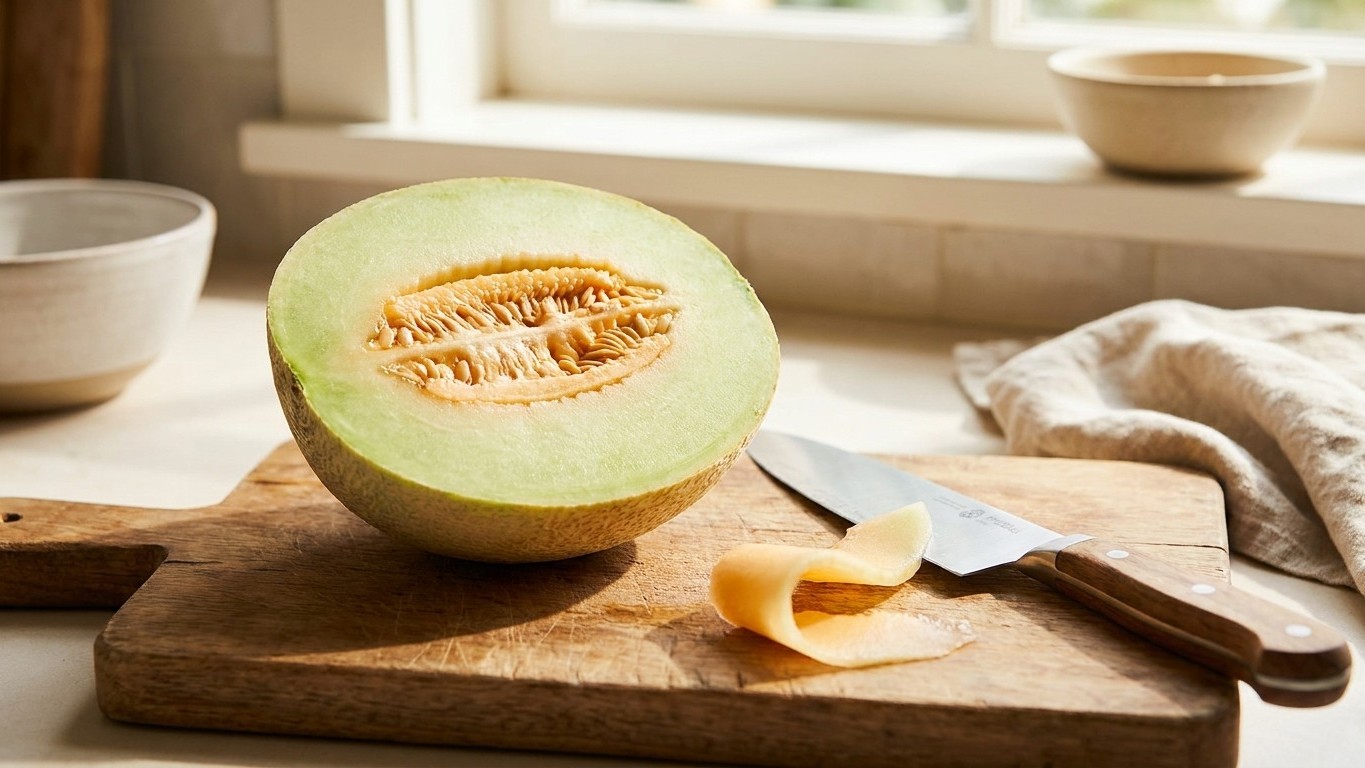
We all insist on chilling our melon gazpacho overnight, when it’s what sits in the last two centimetres under the rind that quietly turns the whole bowl bitter

We all insist on chilling our melon gazpacho overnight, when it's what sits in the last two centimetres under the rind tha...

Most cooks blame the fridge for bitter gazpacho, but the real culprit hides in a thin layer of flesh just under the melon’s rind. The overnight chill actually helps suppress bitterness—the damage happens at the cutting board, not in the refrigerator.

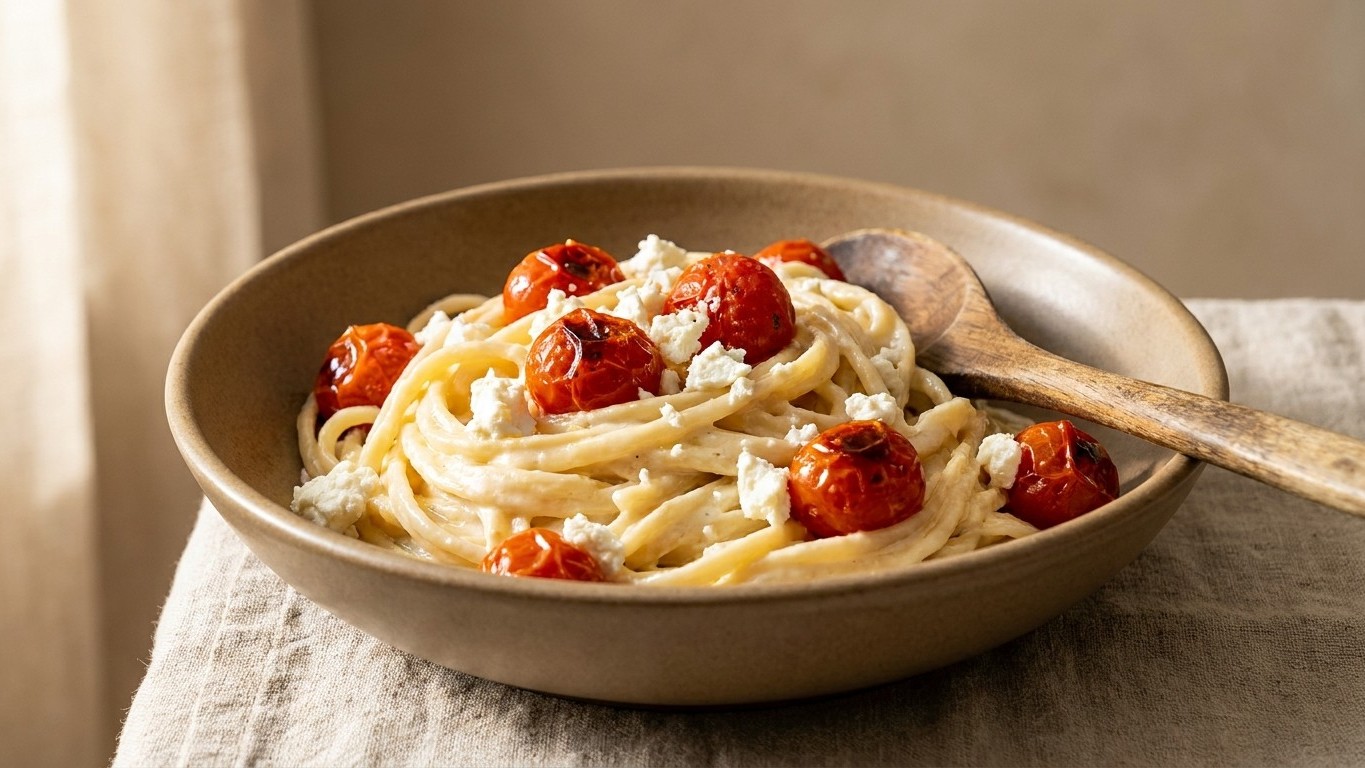
I tipped my pasta water down the drain and reached for cream instead: the moment I tossed the roasted feta in, I understood what was making it grainy

I tipped my pasta water down the drain and reached for cream instead: the moment I tossed the roasted feta in, I understoo...

You’ve been making a critical mistake in your viral feta pasta: swapping pasta water for cream. Learn the chemistry behind why this swap creates a grainy disaster, which feta actually works best, and the exact technique that saves your sauce.

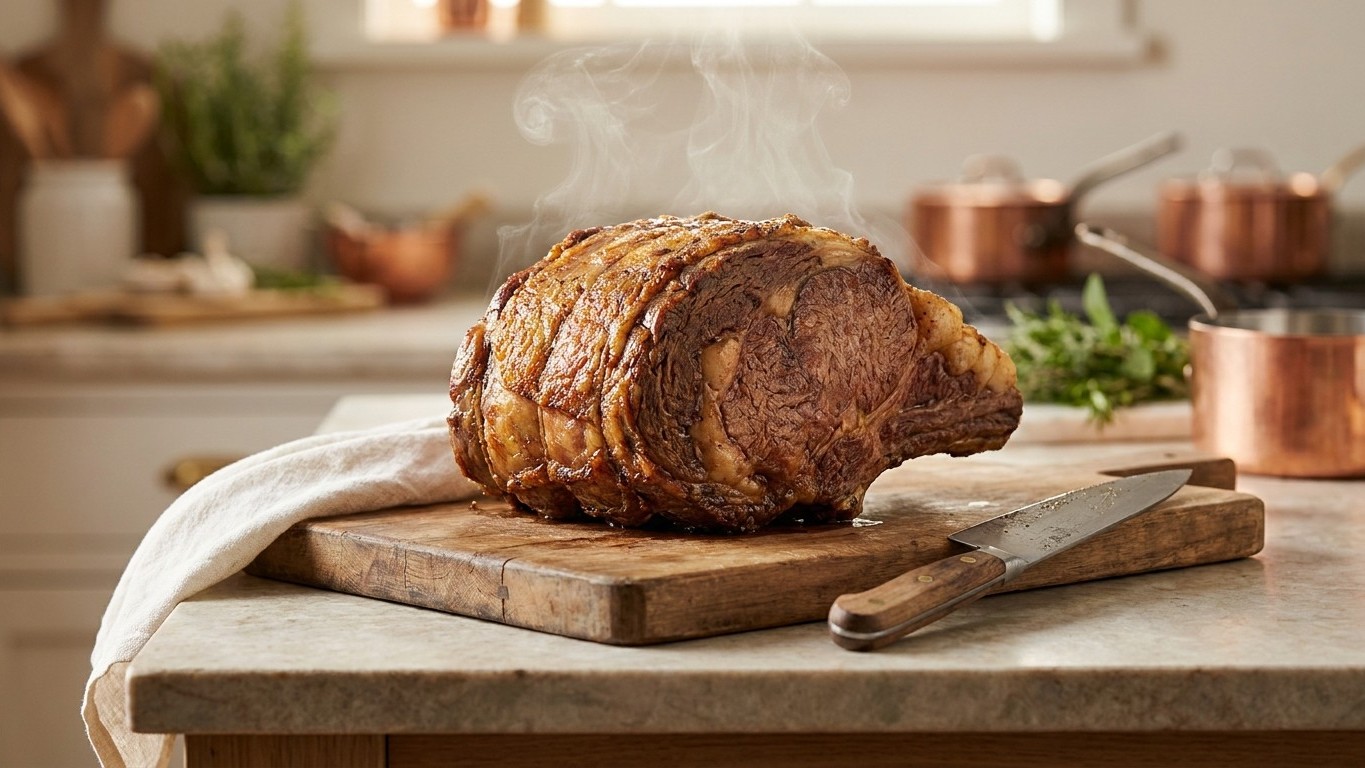
My father always let his meat sit before carving it: I rolled my eyes for years before understanding why he was right

My father always let his meat sit before carving it: I rolled my eyes for years before understanding why he was right

For years, watching your father let his roast sit before carving seemed like theatrical patience. Turns out he was running a molecular-level science experiment that could reduce moisture loss by 60 percent and improve food safety—all in just 10 minutes.