What forms on charred grilled meat: HCAs and PAHs explained

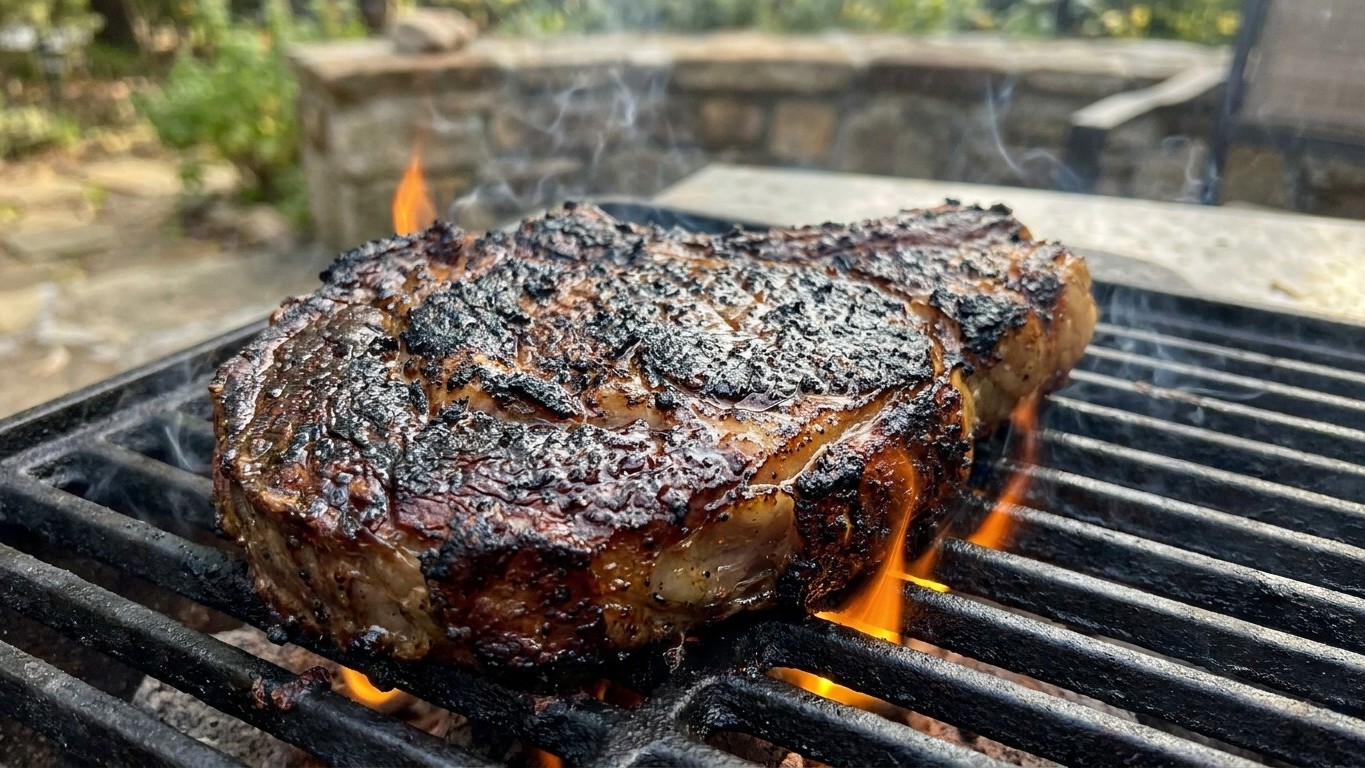
I always scraped the charred bits off my barbecue meat thinking it was just about taste: a toxicologist showed me what act...

Those blackened bits on your grilled meat aren’t just carbon—they’re chemical compounds linked to cancer risk in high-frequency consumption. A toxicologist breaks down what’s actually happening on the grill, why scraping off char is genuine harm reduction, and which prevention methods actually work.

Why rice left out on the counter must go in the fridge within two hours

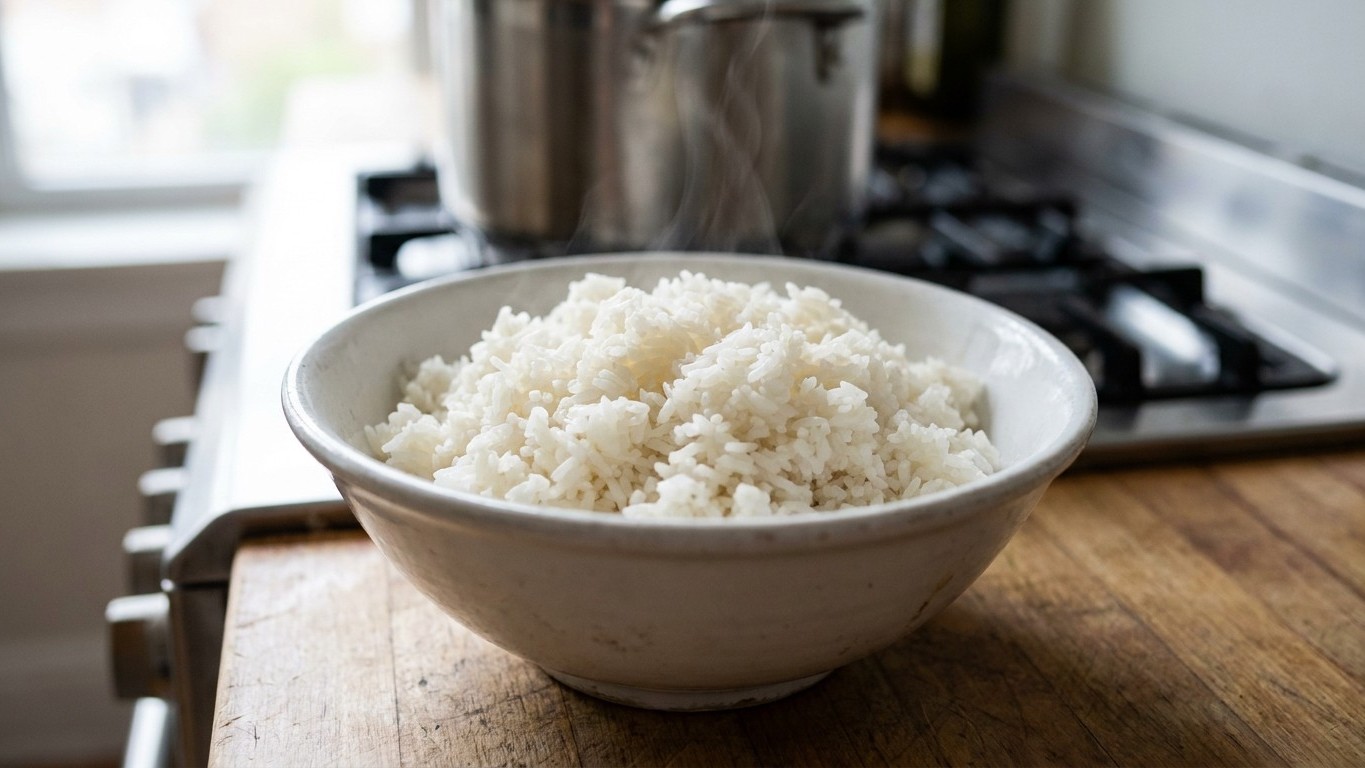
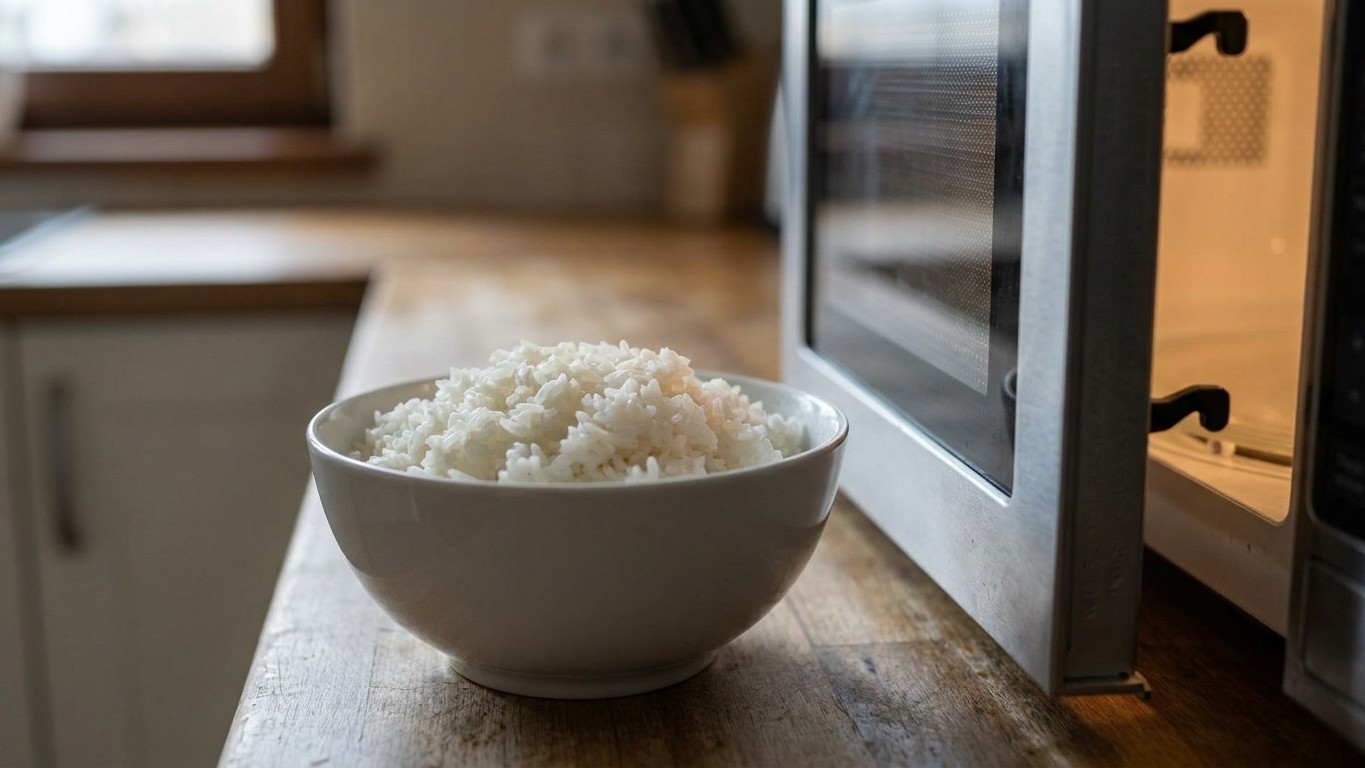
'I thought reheating it killed everything': why cooked rice left out on the counter must go in the fridge within two hours

Cooking kills most bacteria, but not Bacillus cereus spores—and reheating won’t destroy the heat-stable toxins they produce. A single bowl of rice left on the counter can trigger severe food poisoning, which is why the two-hour refrigeration window is non-negotiable.

Why Cut Melon Becomes a Bacterial Buffet in Summer Heat

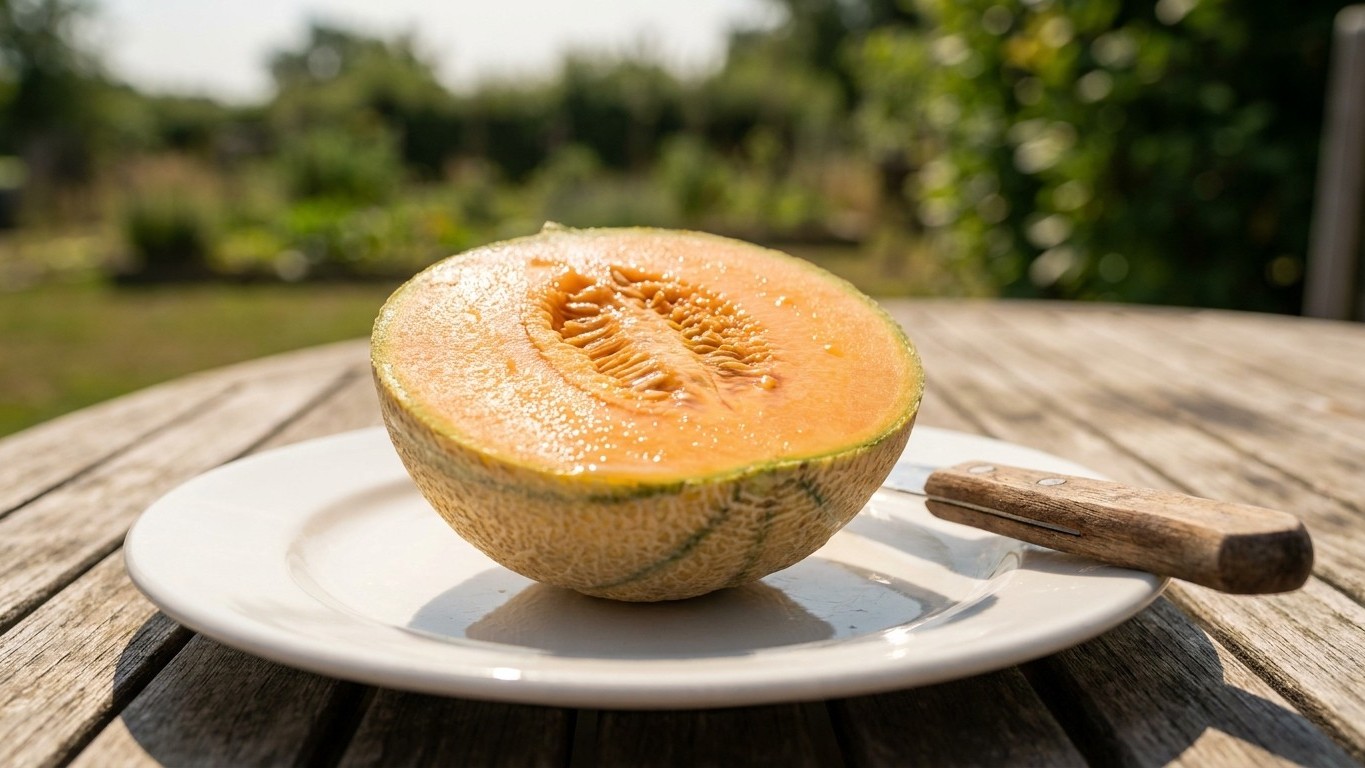
Why Cut Melon Becomes a Bacterial Buffet in Summer Heat

That beautiful sliced melon on your summer appetizer table isn’t just sitting there—it’s becoming a breeding ground for dangerous bacteria like Salmonella and E. coli. Unlike acidic fruits, melon flesh offers almost no natural defense, and the danger is invisible: contaminated fruit looks and tastes perfectly fine. Here’s what food safety experts want you to know.

Is Cutting Mold Off Bread Safe? What Food Science Says

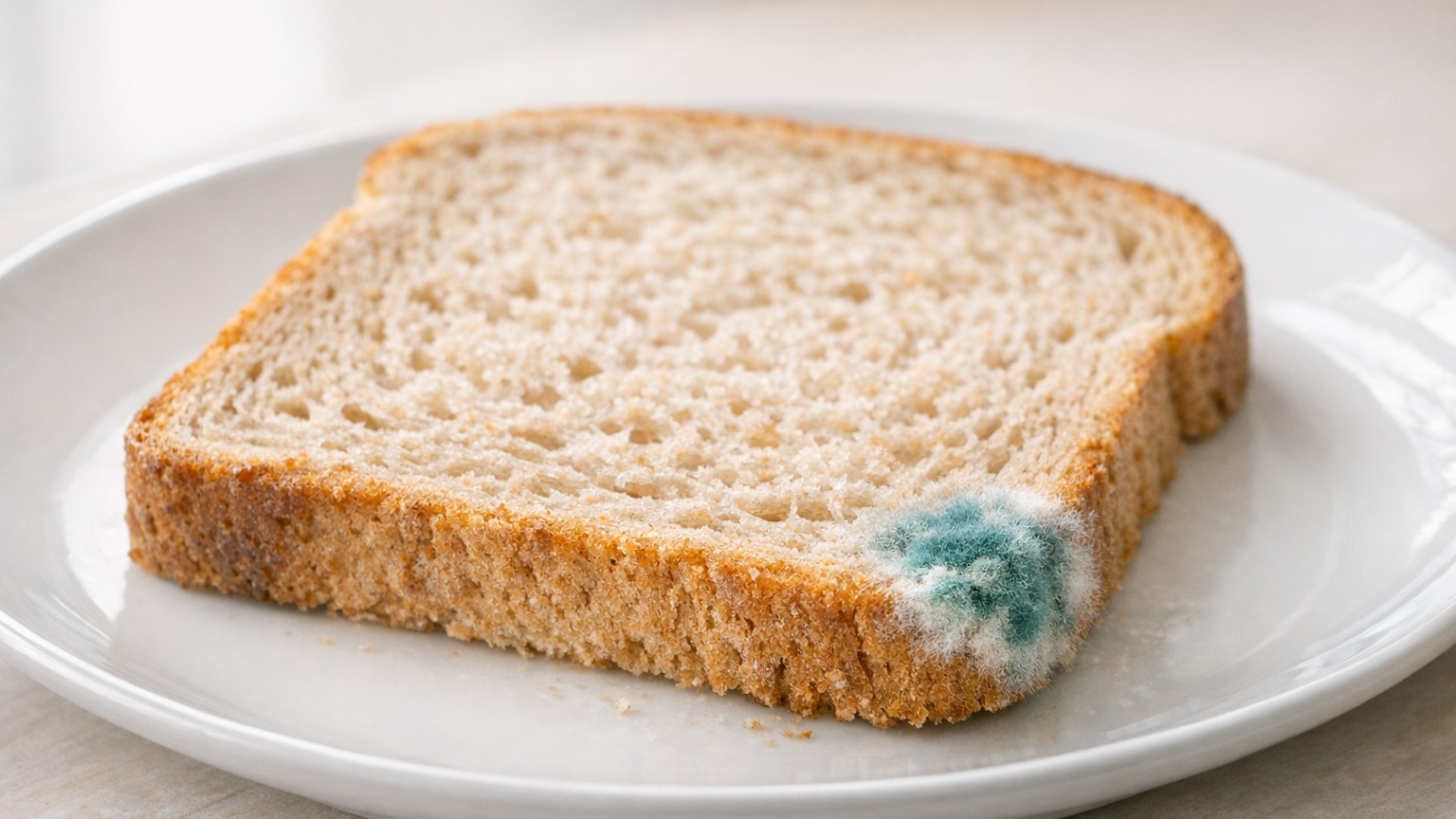
Why Cutting Mold Off Bread Is Dangerous: What Food Scientists Really Know

You’ve probably cut mold off bread and eaten the rest—but food safety experts say this common practice is scientifically wrong. Mold roots penetrate deep into bread’s porous structure, and invisible toxins called mycotoxins can spread farther than you think. Here’s what you need to know to keep your family safe.

Why rinsing apples under tap water does not clean them

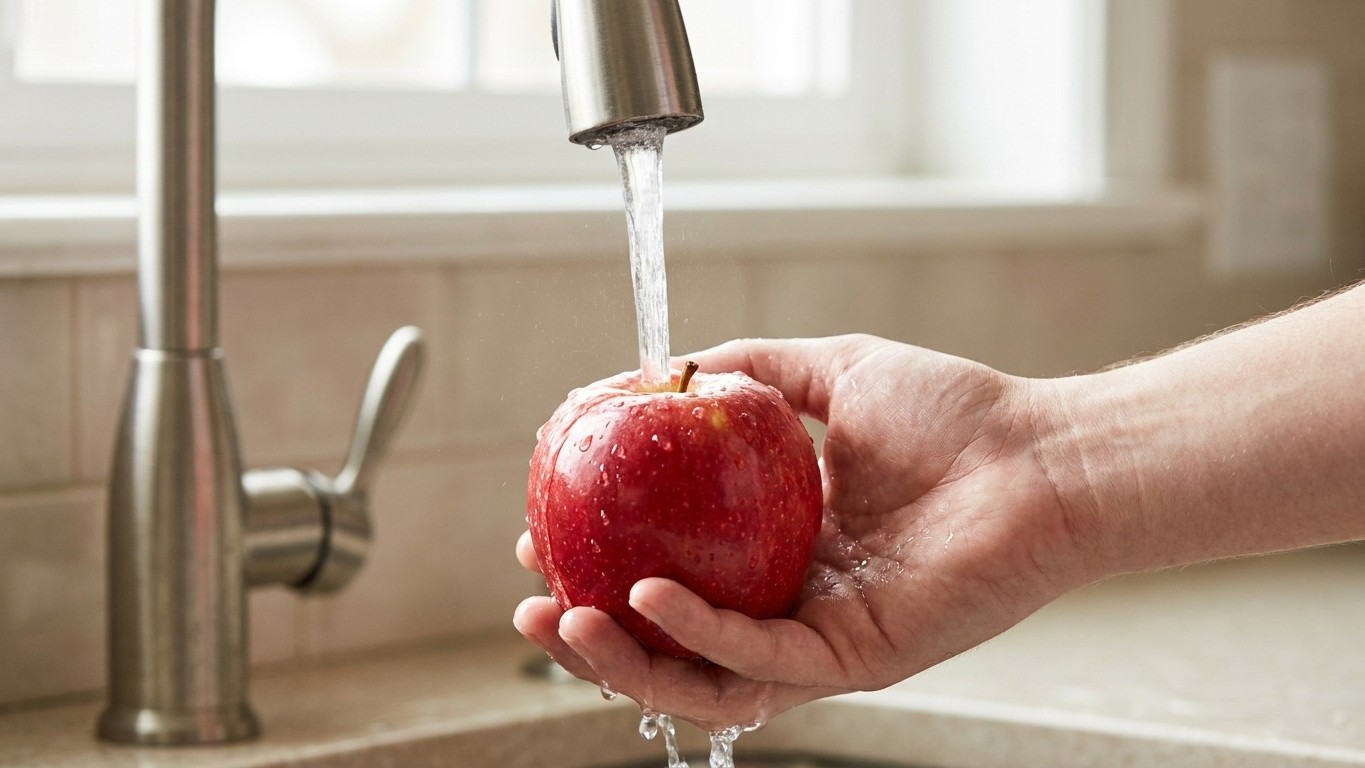
Why Rinsing Fruit Under the Tap Isn't Enough: What a Food Chemist Discovered on Your Apples

You’ve been rinsing fruit the same way for years, but a food chemist’s discovery reveals that tap water leaves dangerous pesticide residues behind. Most pesticides are hydrophobic and resist water alone, penetrating deep into fruit flesh where no amount of rinsing can reach them. The solution? It’s already in your pantry.

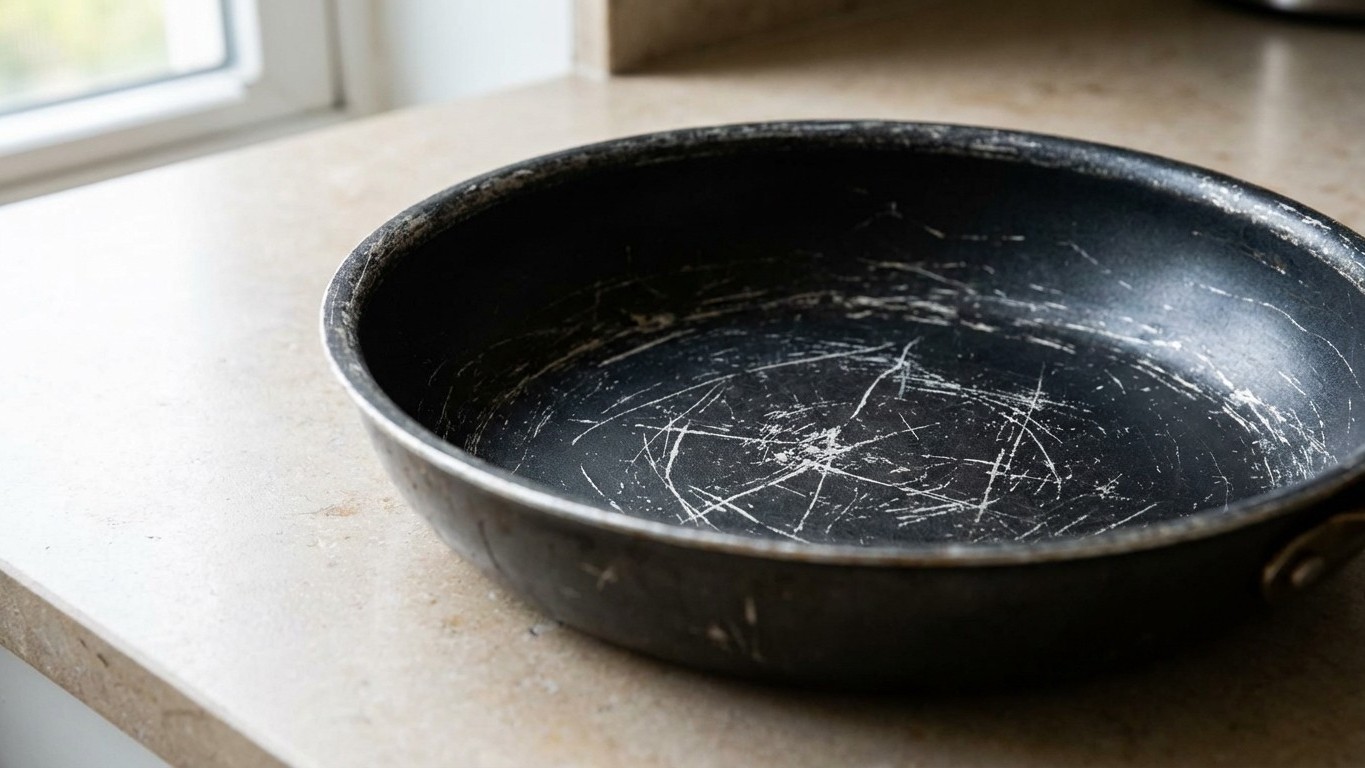
Are scratched non-stick pans safe? What happens to your food

Your Scratched Non-Stick Pan Is Quietly Poisoning Your Food With Forever Chemicals

That scratched non-stick pan in your cabinet isn’t just old—it’s releasing millions of microplastic particles and toxic “forever chemicals” into your food with every meal. Scientists have found alarming levels of PFAS contamination in both traditional Teflon and ceramic-coated alternatives, raising urgent questions about cookware safety.