
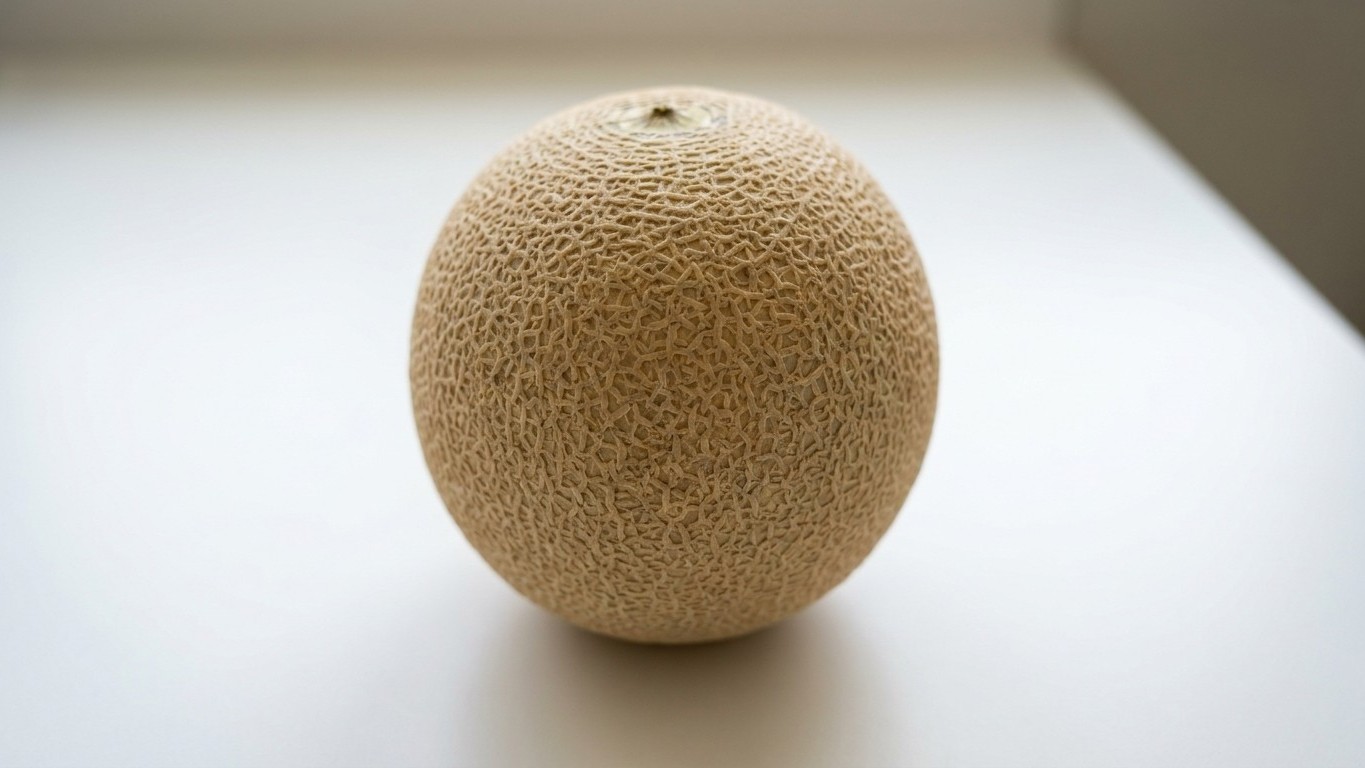
A cadmium reading above the European Union’s legal threshold. That’s the answer behind the sudden overnight disappearance of loose Haut-Poitou melons from Carrefour shelves across France this week, and it has little to do with the labeling confusion some shoppers initially suspected.
One customer, quoted on social media after spotting empty crates where the melon display used to sit, admitted she assumed a price sticker had been swapped or a code misprinted. It wasn’t. The reason for the recall was a cadmium content exceeding the limit authorized by European regulation. No mislabeling, no mix-up. Just a toxic heavy metal that had quietly slipped past acceptable thresholds in a fruit most of us associate with backyard barbecues and Sunday brunch, not lab reports.
Key takeaways
- A toxic heavy metal that can’t be seen, smelled, or tasted was quietly accumulating in a popular French melon variety
- One specific lot sold over ten days in July triggered an emergency recall—but similar contamination scares hit other produce just months earlier
- The real danger isn’t eating one melon; it’s the bioaccumulative exposure that regulators are trained to stop before it becomes visible
What actually triggered the recall
The lot in question was sold between July 12 and July 22, 2026 in Carrefour stores nationwide, carrying the identifying GTIN code 1233333333333. The product itself was marketed as “Melons du Haut-Poitou IGP” under the Reflets de France label, sold loose in Carrefour stores throughout the country. That “IGP” designation, France’s protected geographical indication, usually signals a certain pedigree tied to regional soil and growing conditions, which makes this particular incident sting a little more for a brand built on provenance.
It was the French government platform Rappel Conso that sounded the alarm on Thursday, July 23. Rappel Conso functions roughly like a French cousin to the CPSC or FDA recall databases, a centralized alert system where every consumer product deemed unsafe, from deli meats to jewelry, gets flagged with lot numbers and instructions. In this case, the instructions were blunt: do not consume the product, even if it appears completely normal to the eye.
That last detail matters. Cadmium contamination isn’t something you can smell, taste, or spot on a cut melon. The alert concerned melons sold loose, and the analysis revealed levels exceeding the limit set for this heavy metal, described as toxic and bioaccumulative. Bioaccumulative is the key word here, meaning the metal doesn’t just pass through the body. It builds up over time in tissue, particularly the kidneys, which is exactly why regulators don’t wait for a spike in poisoning reports before pulling product. They act on the lab number alone.
Why cadmium in produce is such a persistent problem
Cadmium isn’t some exotic industrial contaminant sneaking into the food chain through sabotage or negligence at a single farm. It’s a toxic heavy metal naturally present in the environment, though human activity contributes to increasing its presence in soils and also constitutes a source of emission into water and air. Fertilizer runoff, industrial residue, even certain irrigation practices can nudge soil concentrations upward over years, which means a single growing region can quietly cross a threshold without any obvious change in farming practice.
The health stakes go beyond a vague “better safe than sorry” precaution. According to France’s environmental information portal, cadmium is carcinogenic to humans and can have serious health effects, especially in cases of prolonged or high-dose exposure. That framing, prolonged exposure, is precisely why a single melon eaten last week isn’t a reason to panic, but a pattern of buying and eating from a contaminated lot across a household over ten days is exactly the kind of exposure regulators want to interrupt fast.
Franchement, this isn’t Carrefour’s first cadmium scare of the year either. Back in late April, avocados from the Simpl brand, sold at Carrefour and suspected of containing cadmium, had already been recalled. In recent months, Rappel Conso has also issued recall notices for a whole series of jewelry pieces showing traces or excessive levels of cadmium. Two produce recalls and a string of jewelry alerts in the same calendar year start to look less like isolated incidents and more like a metal that’s becoming harder to keep out of consumer goods altogether.
What shoppers should actually do
If a Haut-Poitou melon with that Reflets de France label is sitting on your counter right now, the fix is refreshingly uncomplicated. The official platform doesn’t flag any complicated procedure for customers, a return to the point of sale is enough to get a refund or exchange. The recommendation is simply not to consume the product, to bring it back to the store or destroy it, with refund or exchange arrangements available. For anyone needing more specifics on the lot or wanting reassurance, consumers are also invited to contact customer service by phone at 08 05 90 80 70.
What strikes me most, reporting on this kind of story, is how invisible the risk stays until a lab report forces the issue into daylight. A melon doesn’t look wrong. It doesn’t smell wrong. And yet the data available at this stage shows a targeted alert on one identified lot, with no additional element suggesting a spread to other fruits or retailers. Which is, in its own way, the most reassuring line in the whole story, and also the one worth remembering the next time a recall notice mentions a heavy metal instead of the usual suspects like salmonella or listeria: the contamination pathway is entirely different, and so is the timeline for consequences.
Sources : msn.com | allodocteurs.fr