Why black specks return around windows and how a wash load feeds them
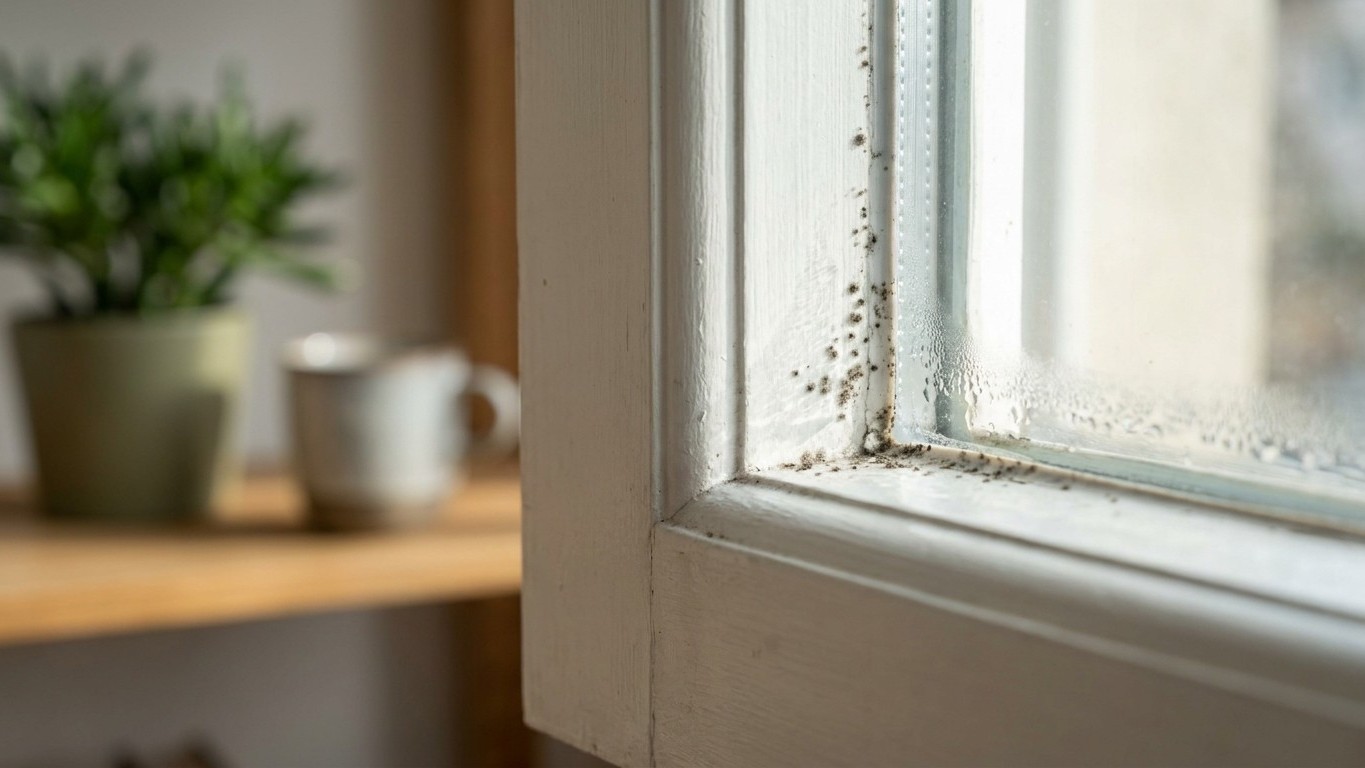
We all insist on wiping the black specks off the window reveal, when it's what a single wash load releases into the room t...

Those stubborn black specks on your window frame aren’t a cleaning failure—they’re a humidity problem in disguise. A single wash load dried indoors releases up to 2 litres of water into the air, creating the perfect breeding ground for mold. Learn why scrubbing the window is futile without addressing the real culprit: your laundry routine.
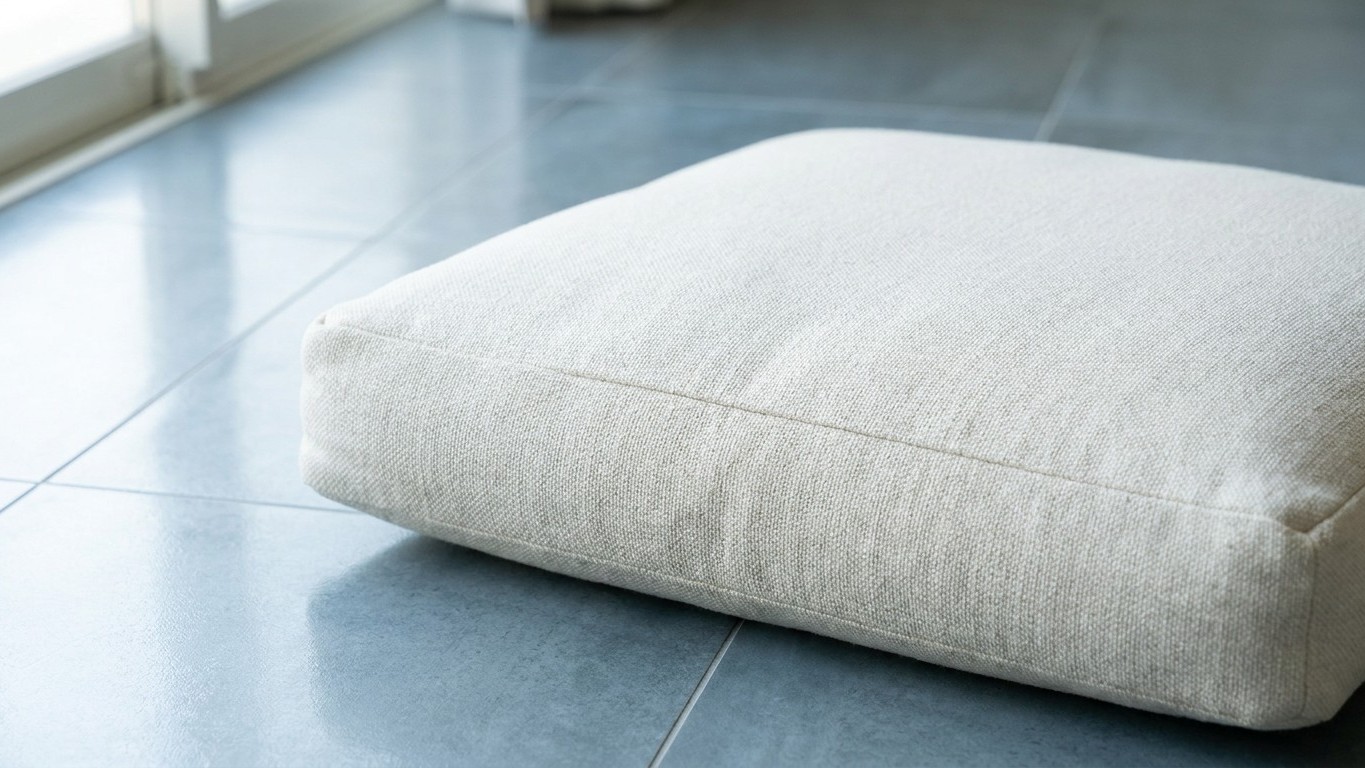
Why floor cushions on tiled floors trap moisture in the foam

It's over for floor cushions laid straight onto tiled floors: what the foam takes in down there never dries out, and it gi...

Floor cushions look perfect on tile, but the foam traps moisture against cold ceramic surfaces, creating an ideal breeding ground for hidden mold. Even worse, you won’t smell it coming. Here’s the physics behind the problem and the surprisingly simple solutions that actually work.

Why a filter-only hood does not catch gas stove nitrogen dioxide

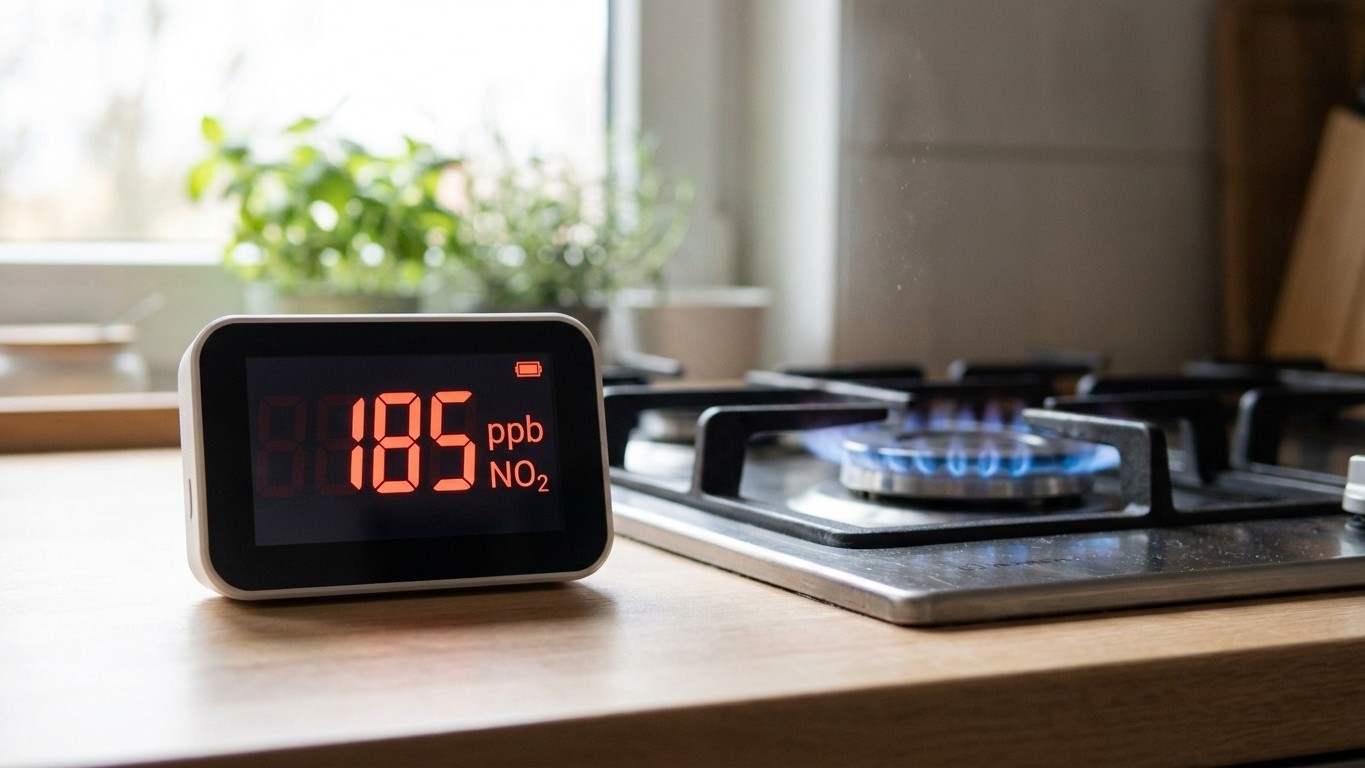
I cooked on my gas burners under a filter-only hood for eight years just to avoid drilling through the wall: the day a met...

After eight years of cooking under a recirculating hood, a 24-hour air quality meter exposed the dangerous truth: the charcoal filter was capturing odors but allowing combustion gases—nitrogen dioxide, carbon monoxide, and formaldehyde—to silently accumulate in the home. What the numbers revealed about indoor air quality changed everything.

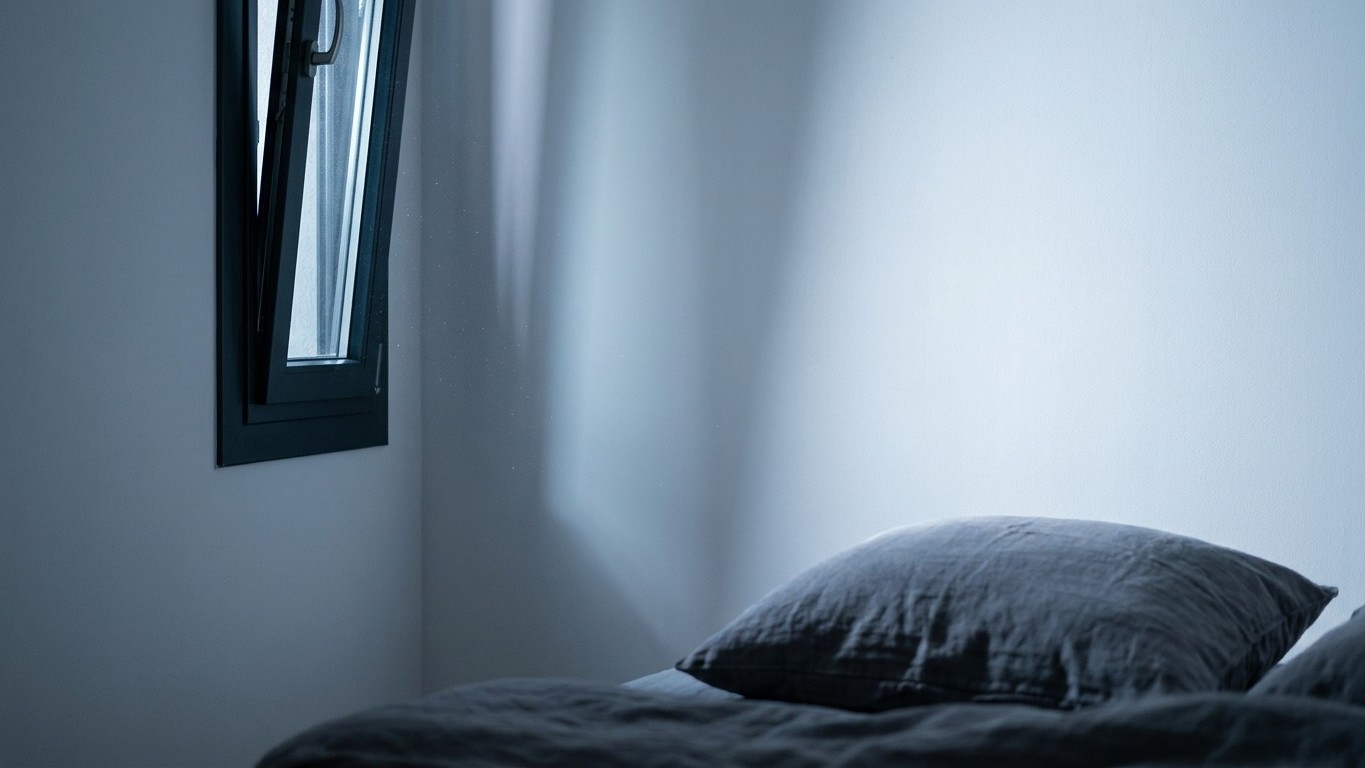
What Actually Comes Through Your Open Bedroom Window at Night

What's Actually Floating Into Your Bedroom at 3 a.m.? A 25-Year Sleep Habit Reveals the Uncomfortable Truth

For 25 summers, opening the bedroom window felt like inviting fresh air and better sleep. But tracking what actually crosses that threshold by 3 a.m. reveals a more complicated picture: nighttime pollen surges, temperature inversions trapping pollution at ground level, and CO₂ accumulation that wakes you without you knowing why. Science suggests a smarter approach.

Why Opening Windows in May Worsens Seasonal Allergies

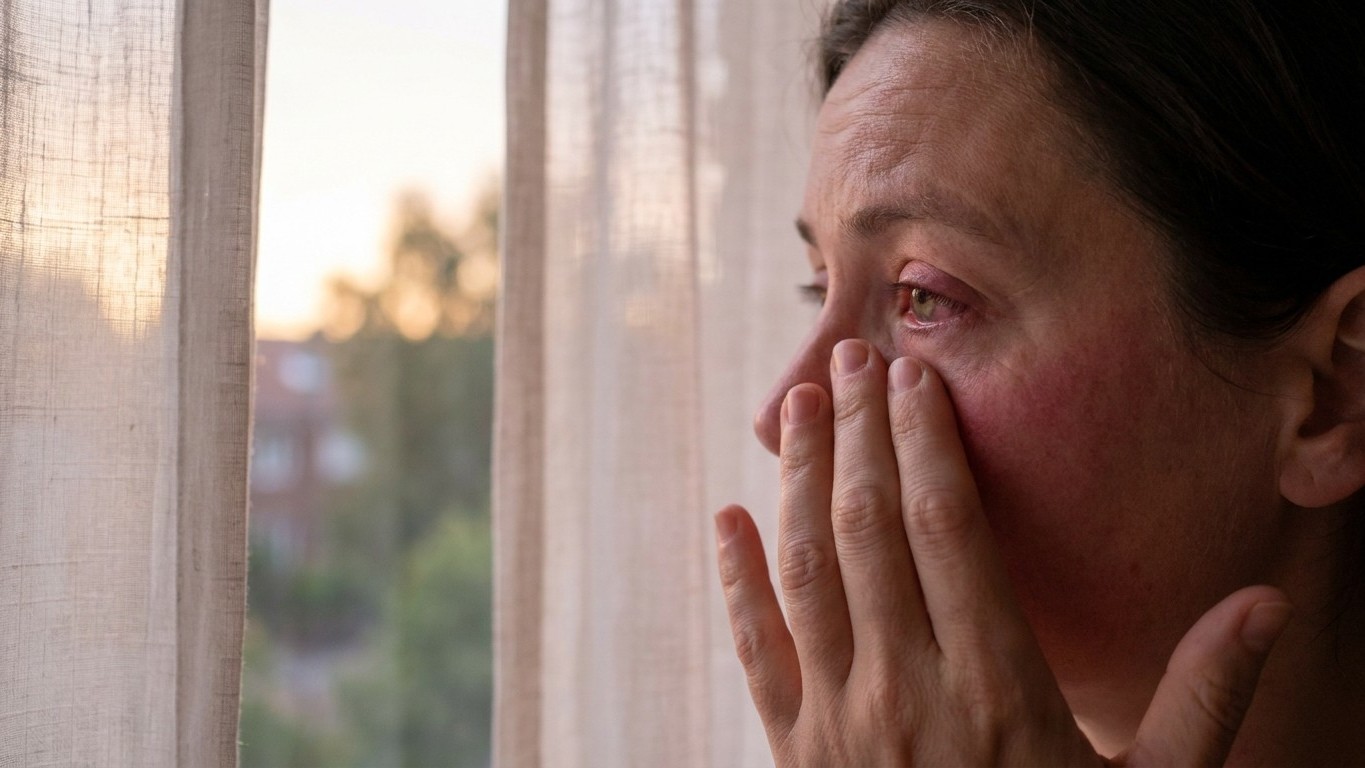
Why Opening Your Windows in May Makes Your Allergies Worse—And When You Should Actually Do It

Opening your windows on May mornings seems healthy—until your eyes swell shut by noon. Your neighbor’s pollen count data reveals an uncomfortable truth: you’ve been timing it perfectly wrong. The early morning ‘fresh air’ you crave is actually peak allergen delivery.