
The yellow film on your car hood every morning in May is not decorative. It’s a biological event, trees reproducing, violently and indiscriminately, into your lungs. And if you’ve been cracking your bedroom window open at dawn to “air out the house,” you’ve been, medically speaking, sleeping with the enemy.
That’s exactly what millions of allergy sufferers across the country do every spring without realizing it. The instinct is sound, fresh air feels restorative, especially after a long winter sealed indoors. The timing, though, is the problem. A very specific, data-backed, immunologically inconvenient problem.
Key takeaways
- Tree pollen counts peak between 5-10 AM as morning dew evaporates—exactly when most people open windows
- The visible yellow pollen on your car is harmless; the real threat is microscopic pollen you can’t see
- Late afternoon and post-rain hours offer dramatically lower pollen levels for safer window opening
The Morning Myth: When “Fresh Air” Becomes a Pollen Bath
Tree pollen allergies often hit hardest in the early morning hours when pollen counts peak, typically between 5 AM and 10 AM. That window, the exact window when most of us are most likely to open our windows — is when the air outside is essentially a cocktail of airborne allergens looking for a mucous membrane to irritate.
The mechanics behind this are worth understanding. Dew that forms overnight can trap pollen, but as the sun rises and temperatures increase, this moisture evaporates, allowing the pollen to become airborne. So that pre-dawn stillness you associate with cleanliness? It’s actually a pressure cooker. The moment temperatures tick up, Everything releases at once. Tree pollen counts tend to rise after sunrise, peaking in the mid-morning, then tapering off in the afternoon. The cooler, more humid conditions of early morning reduce the dispersal of tree pollen, often keeping it lower in the atmosphere. As the air dries out and temperature rises, wind currents pick up, lifting pollen into the atmosphere and dispersing it across the landscape. You open the window right as that lift-off happens. The pollen doesn’t drift in gently, it floods in.
Airborne pollen tends to be highest early in the day, just after the dew dries, and on into early afternoon. High pollen levels can sometimes last until late afternoon. Which explains, with uncomfortable precision, why your eyes are swollen shut by noon. You didn’t develop a sudden allergy. You just front-loaded three hours of peak exposure before breakfast.
What’s Actually in the May Air, and Why It’s Worse Than You Think
May is a particularly brutal month for overlapping allergen types. Tree pollen peaks in early spring from February to May, while grass pollen peaks in late spring and early summer from May to July. That overlap, the precise month of May, creates a double-exposure situation for people sensitive to either or both. Late spring to early summer is often cited as the most burdensome period for those suffering from allergies, as this is when tree and grass pollens often coincide.
And here’s the thing that most people don’t consider: the visible yellow pollen coating your porch furniture is largely harmless. Pollen that causes allergy tends to be small, light and dry. It is easily spread by wind over long distances. The pollen that gets all over your car or lawn furniture is not as much of an allergy problem as the pollen too small to be seen. The real culprit is invisible. Hardwood tree pollen is often considered more allergenic than pine pollen because the pollen grains are smaller and lighter than pine pollen grains, making them easier for the wind to carry and inhale. Pine pollen grains are also much smoother compared to hardwood trees, such as maple and oak, which produce a fine grain pollen that’s also quite rough. The rougher the grain, the more it irritates the delicate lining of your nasal passages and eyes on contact.
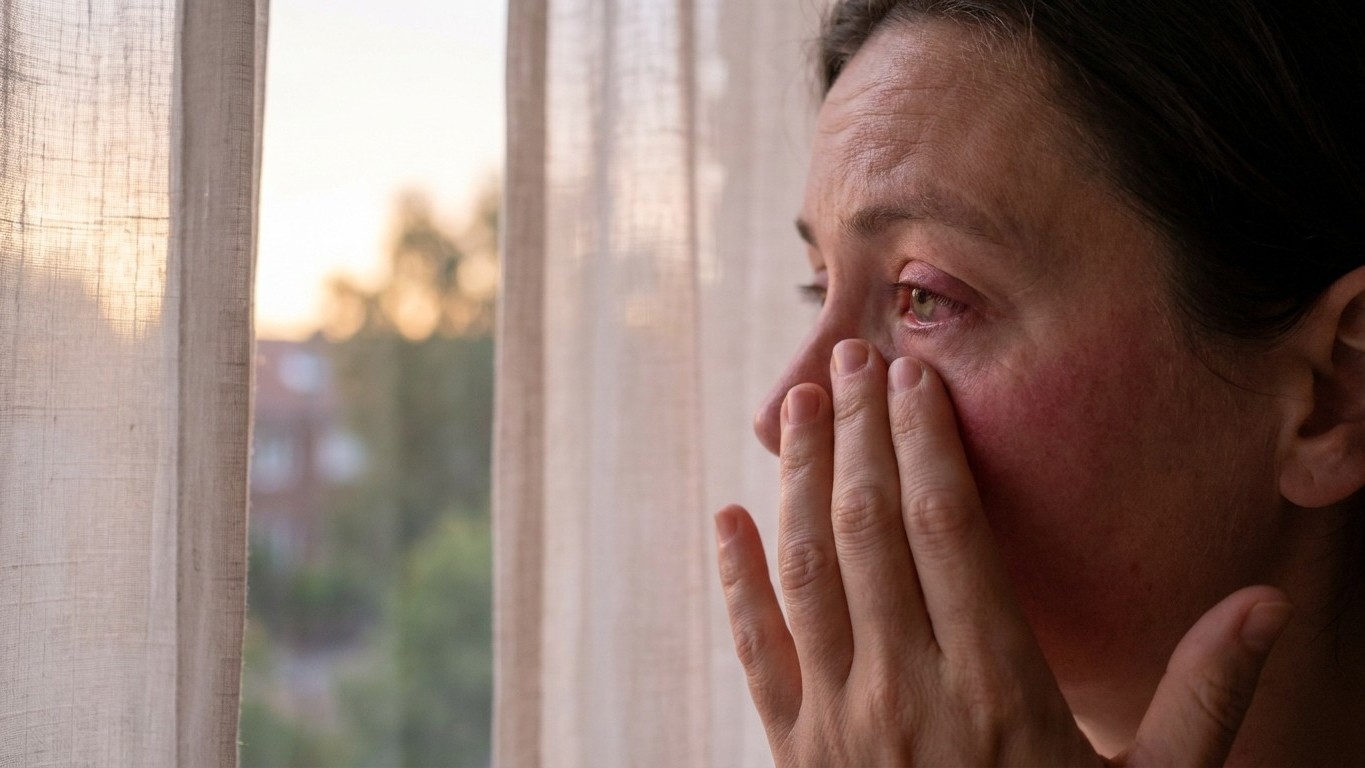
Many people report that tree pollen tends to cause prominent eye symptoms such as itching and watering, with some sufferers describing the sensation as having sand in their eyes that no amount of rubbing can relieve. Rubbing, as anyone who has survived a bad oak pollen day knows, only makes it worse, it drives the allergen deeper into the conjunctiva and spreads it around.
The Counter-Intuitive Truth About When to Open Your Windows
Here’s where conventional wisdom takes an interesting turn. Most people assume morning air is the cleanest, an idea borrowed from the logic of city smog patterns, where traffic pollution peaks later in the day. Pollen follows different rules entirely. The best time to open your windows during allergy season is usually in the late afternoon or evening, as pollen count tends to be lower during these times. Late in the day, especially after a rain shower, pollen levels typically decrease, making it a more suitable time to open your windows and let some fresh air in.
Rain is your actual best friend here. Rain washes pollen and other allergens out of the air, leaving it cleaner and easier to breathe. The best time to open windows is about an hour after a rainstorm ends. This gives time for any stirred-up allergens to settle. One caveat worth knowing: the day after rain often sees increased pollen production as plants release what they held back during wet weather. So the post-rain reprieve is real but temporary. By the following morning, the cycle resets, often with a vengeance.
Weather apps have gotten genuinely useful for this kind of granular planning. There are ways to diminish the impact of pollen during allergy season, including closing windows and taking off shoes and pollen-laden clothes when you walk in your door, and immediately throwing your clothes in the washing machine. If you are someone who enjoys outdoor activities, you need to be aware of when pollen counts are lowest, and what times are best for you to be outside. Weather apps and websites are a good way to monitor pollen levels in your area.
The Bigger Picture: Allergy Season Is No Longer Just a Season
Even if you nail the window-timing strategy, there’s an uncomfortable macro-level reality: the season itself is expanding. The pollen allergy season on average in the United States is about three weeks longer now than it was 50 years ago. Another difference compared to 50 years ago is that there’s a lot more pollen in the air. The data shows that there’s about 20 percent more pollen in the atmosphere in the United States than there was 50 years ago.
The mechanism driving this is straightforward and grim. Warming trends lead to more freeze-free days each year, giving plants more time to grow and release allergy-inducing pollen. The freeze-free growing season lengthened in 87% of the 198 U.S. cities analyzed, by 21 days on average from 1970 to 2025. Longer frost-free periods mean trees bloom earlier, grass pollinates for longer, and the brief shoulder seasons that used to offer relief are shrinking. The AAFA has called it “a public health emergency fueled by climate change,” noting that “extreme weather events create the conditions for higher pollen levels and longer allergy seasons” and that “unprecedented pollen numbers” are being recorded all across the United States.
The practical response, beyond window-timing, is to treat allergy season less like a short-term inconvenience and more like a months-long management project. If high pollen counts are forecasted, start taking allergy medications before your symptoms start. Pre-treating with antihistamines before exposure, rather than scrambling for relief after your eyes have already swollen shut — is the clinical standard most allergists recommend. Using an air purifier with a HEPA filter indoors, particularly in the bedroom, can significantly reduce the pollen that accumulates overnight in the space where you spend a third of your life. Removing clothes worn outside and showering to rinse pollen from skin and hair is also advised, and hanging laundry outside should be avoided, as pollen can stick to sheets and towels.
There is, though, one genuinely counterintuitive upside buried in all of this: in 2023, according to the Centers for Disease Control, 25.7 percent of U.S. adults were diagnosed with seasonal allergies. Which means roughly a quarter of the country is suffering through the same miserable May mornings, making the same well-intentioned mistake with their windows. You are not uniquely reactive. The air is just objectively more hostile than it used to be, and knowing exactly when to let it in makes all the difference.
Sources : cbsnews.com | geekwindowcleaning.com