Why Your Antihistamine Fails in Spring and How Timing Helps

Why Your Antihistamine Fails Every Spring—And the One Timing Trick That Actually Works

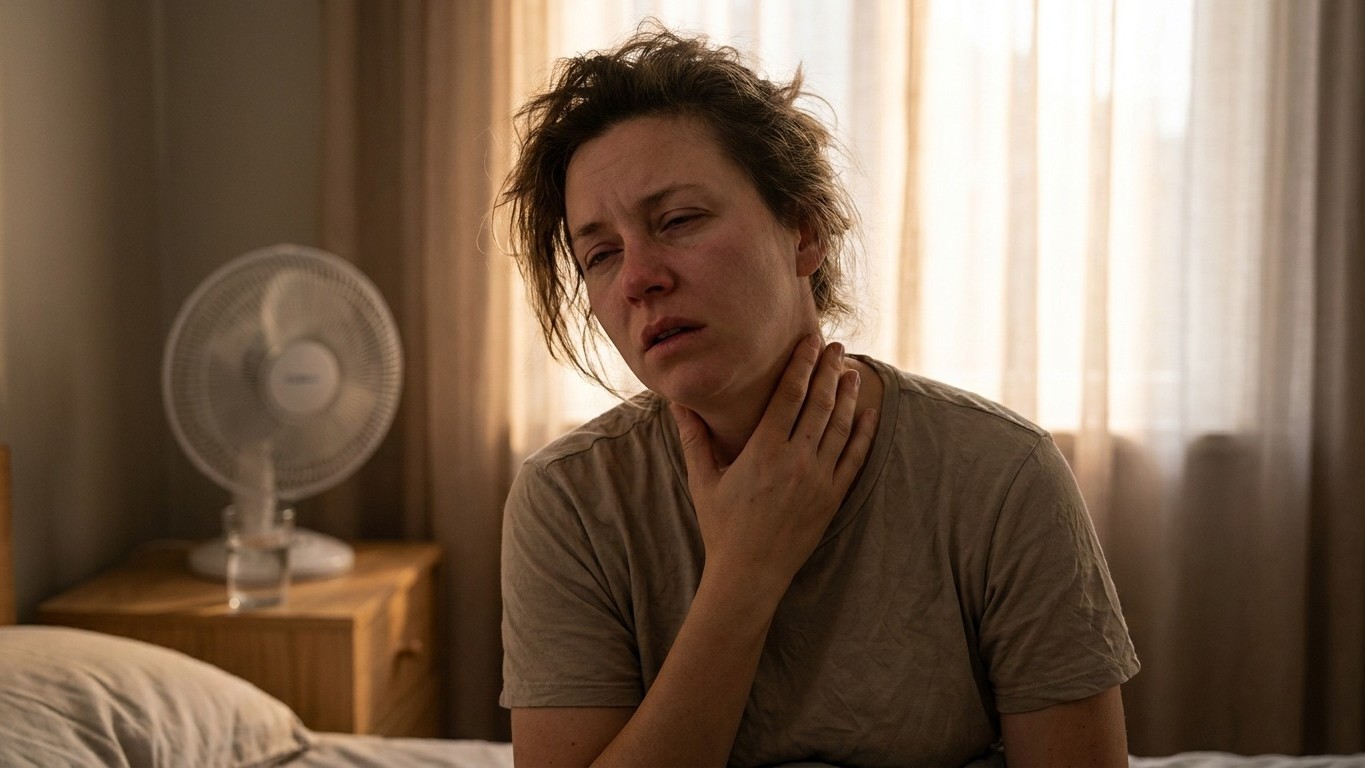
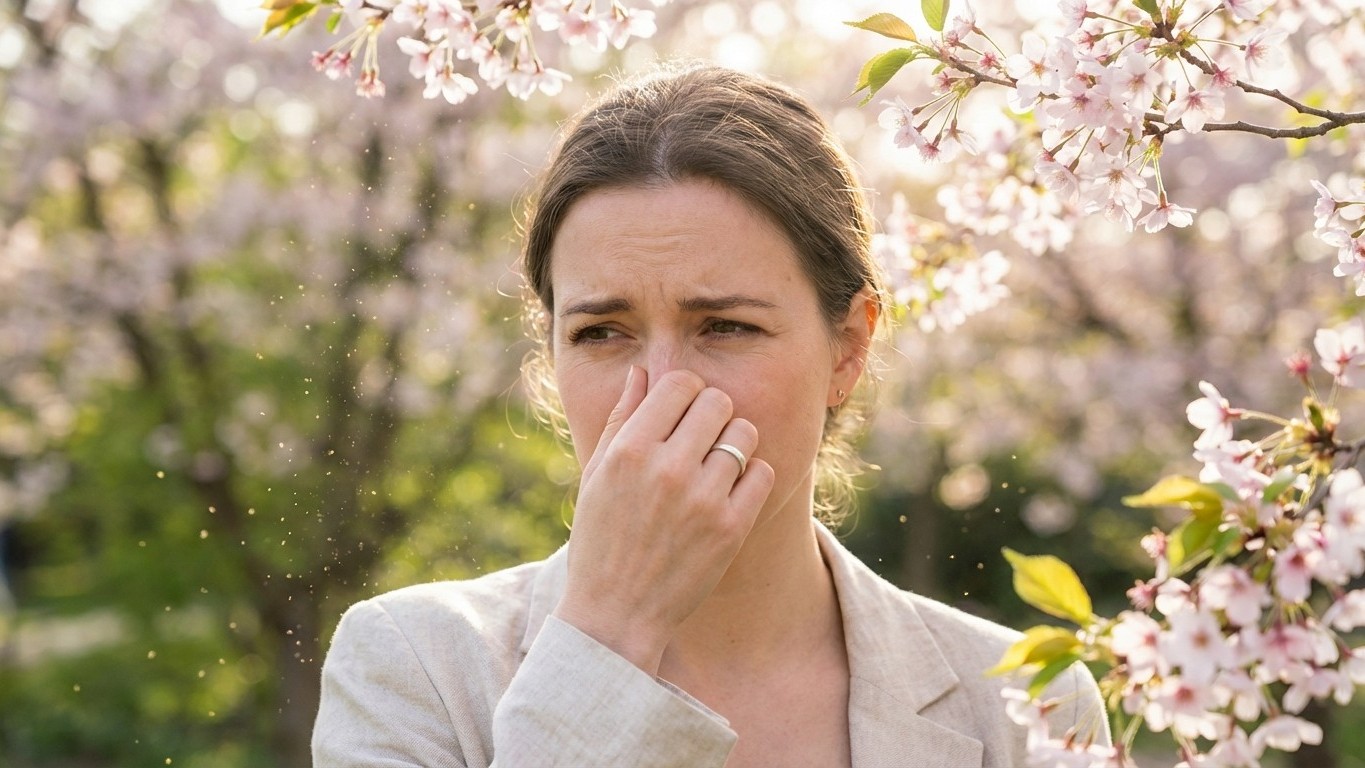
Every spring, millions assume their antihistamines have stopped working. The truth is far simpler: they’re taking them at the wrong time of day. Your immune system follows a 24-hour schedule, and so does pollen—and one strategic timing shift can eliminate morning allergy symptoms before they start.

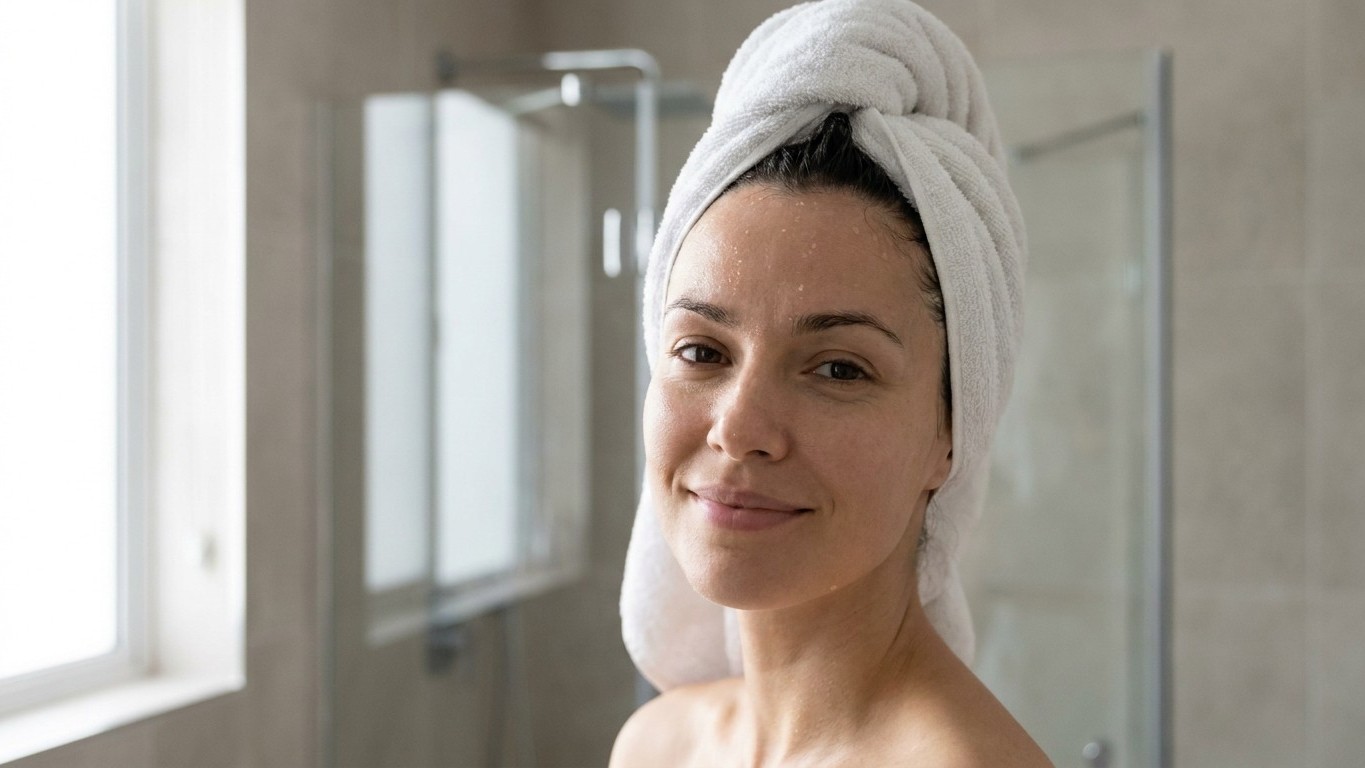
Why an Evening Shower Can Help With Nighttime Spring Allergies

Why You're Still Waking Up Gasping at 2 AM: The Evening Shower Allergy Doctors Won't Stop Mentioning

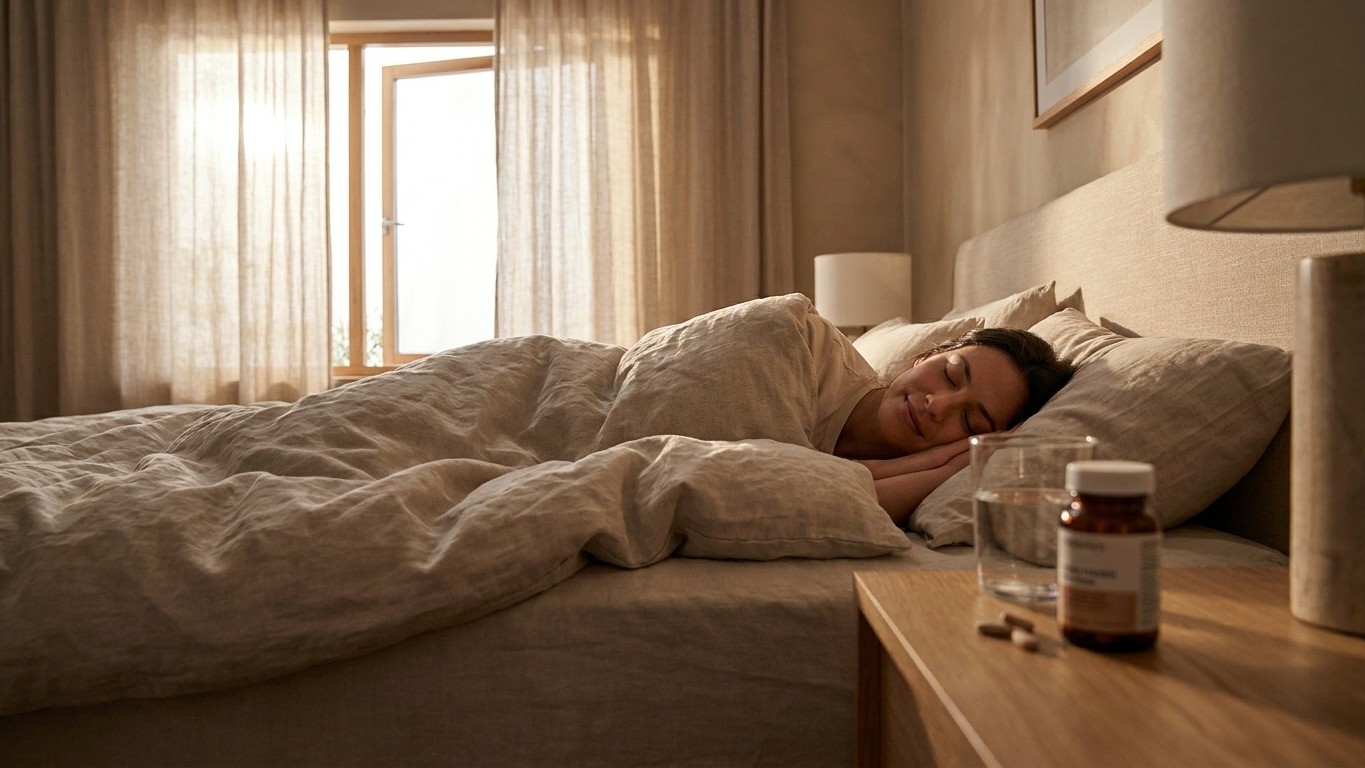
Most allergy sufferers treat spring allergies during the day but unknowingly sabotage themselves every evening. Pollen clings to your hair and clothes, then transfers to your pillow for 7-9 hours of direct exposure—but that’s only half the problem. Your own biology amplifies allergic reactions at night, creating a perfect storm for sleepless nights.