Why Your Long Lunch Nap Makes You Groggier: The Science Behind Sleep Inertia and the 20-Minute Solution

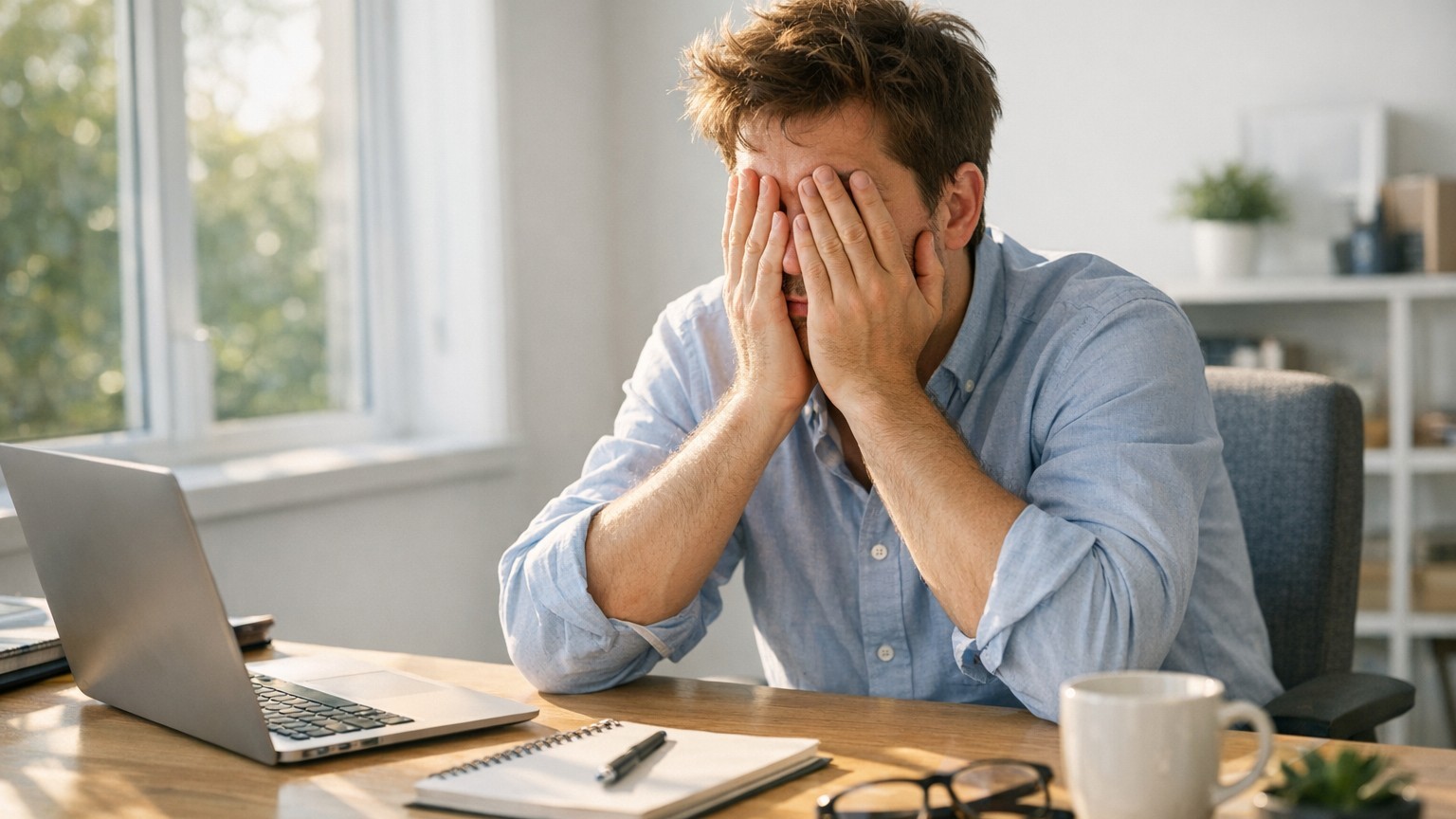
Why Your Long Lunch Nap Makes You Groggier: The Science Behind Sleep Inertia and the 20-Minute Solution

You wake up from a 90-minute nap feeling like you’ve been hit by a truck, not refreshed. A sleep specialist explains the surprising biology behind afternoon grogginess and reveals the exact nap length that actually works—plus the one timing mistake that sabotages your entire evening.

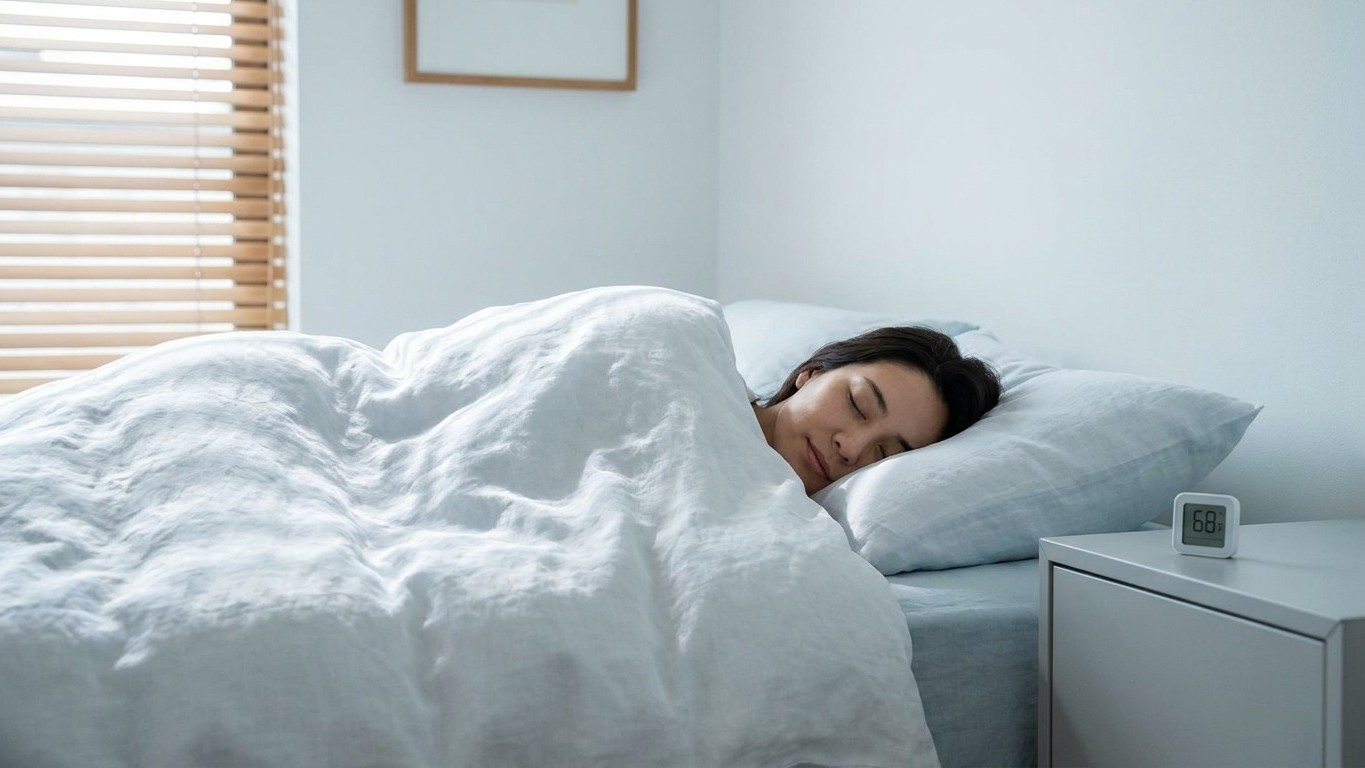
I Kept My Bedroom at 76°F for Twenty Years Thinking Warm Meant Restful—Here’s What Was Happening to My Heart and Brain Every Night

I Kept My Bedroom at 76°F for Twenty Years Thinking Warm Meant Restful—Here's What Was Happening to My Heart and Brain Eve...

For two decades, a seemingly comfortable 76°F bedroom felt like the ultimate sleep sanctuary—until sleep science revealed the hidden toll. New research shows warm nights stress your cardiovascular system, fragment your REM sleep, and impair cognitive function the next day in ways you might not even notice.

Why Taking Ashwagandha in the Morning Is Making You More Tired: The Cortisol Timing Mistake

Why Taking Ashwagandha in the Morning Is Making You More Tired: The Cortisol Timing Mistake

Millions take ashwagandha at dawn expecting stress relief, but the timing may be working against your natural cortisol rhythm. The supplement’s cortisol-lowering effects can blunt your body’s essential morning alertness boost, leaving you exhausted instead of energized. The fix? A simple timing recalibration based on circadian biology.

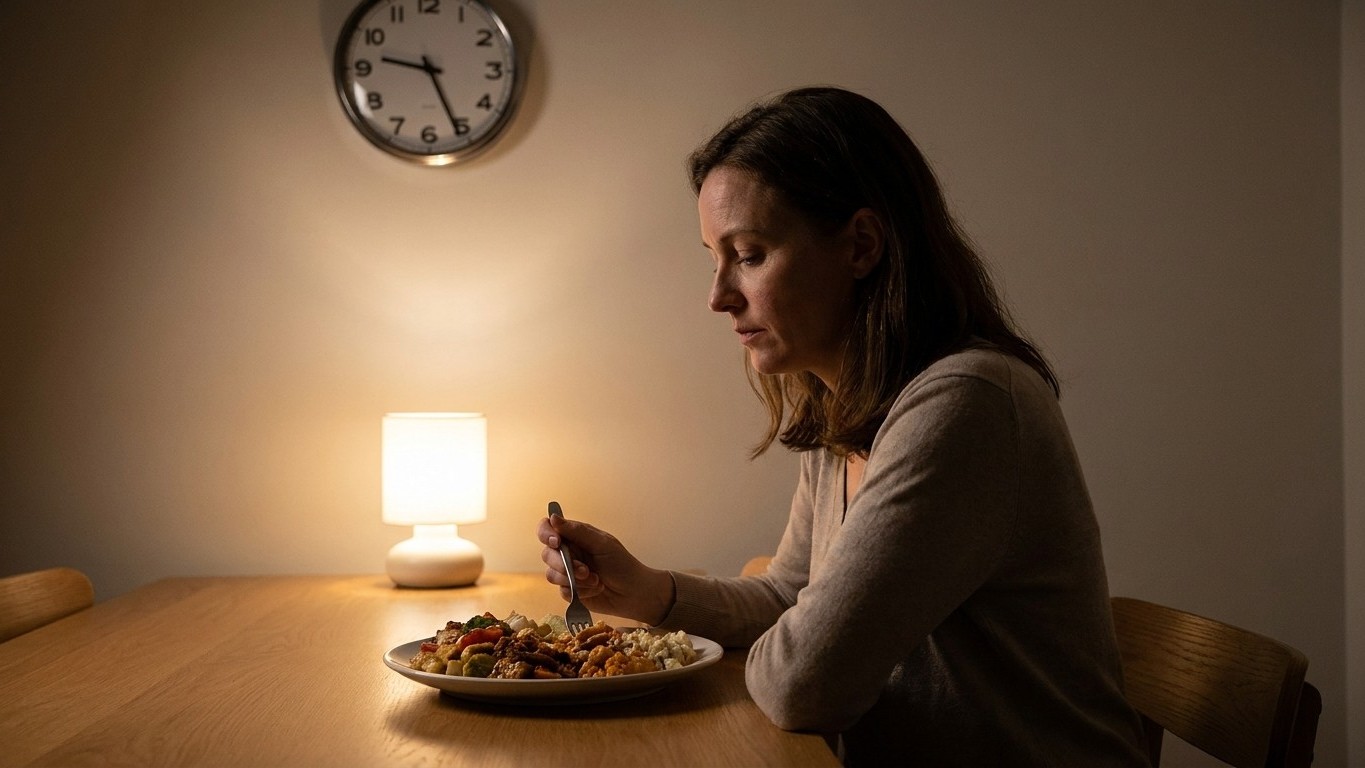
Why Your Body Metabolizes Dinner Completely Differently After 9 PM — And It’s Not About Hunger

Why Your Body Metabolizes Dinner Completely Differently After 9 PM — And It's Not About Hunger

The same meal consumed at different times triggers drastically different metabolic responses in your body. A hidden hormone—not the one controlling hunger—fundamentally changes how your pancreas, fat cells, and blood sugar respond to food after dark, with effects lasting into the next morning.

You’re Sabotaging Your Melatonin Gummy Every Night—Here’s What Your Brain Is Actually Doing

You're Sabotaging Your Melatonin Gummy Every Night—Here's What Your Brain Is Actually Doing

You swallow a melatonin gummy while your bedroom lamp blazes overhead—and your brain immediately enters a biological civil war. The light you think is harmless is actively suppressing the very hormone you’re trying to supplement, engaging your brain’s circadian system in a competition the supplement can’t win. Here’s what neuroscience reveals happens in those critical minutes.

Why Your Antihistamine Fails Every Spring—And the One Timing Trick That Actually Works

Why Your Antihistamine Fails Every Spring—And the One Timing Trick That Actually Works

Every spring, millions assume their antihistamines have stopped working. The truth is far simpler: they’re taking them at the wrong time of day. Your immune system follows a 24-hour schedule, and so does pollen—and one strategic timing shift can eliminate morning allergy symptoms before they start.

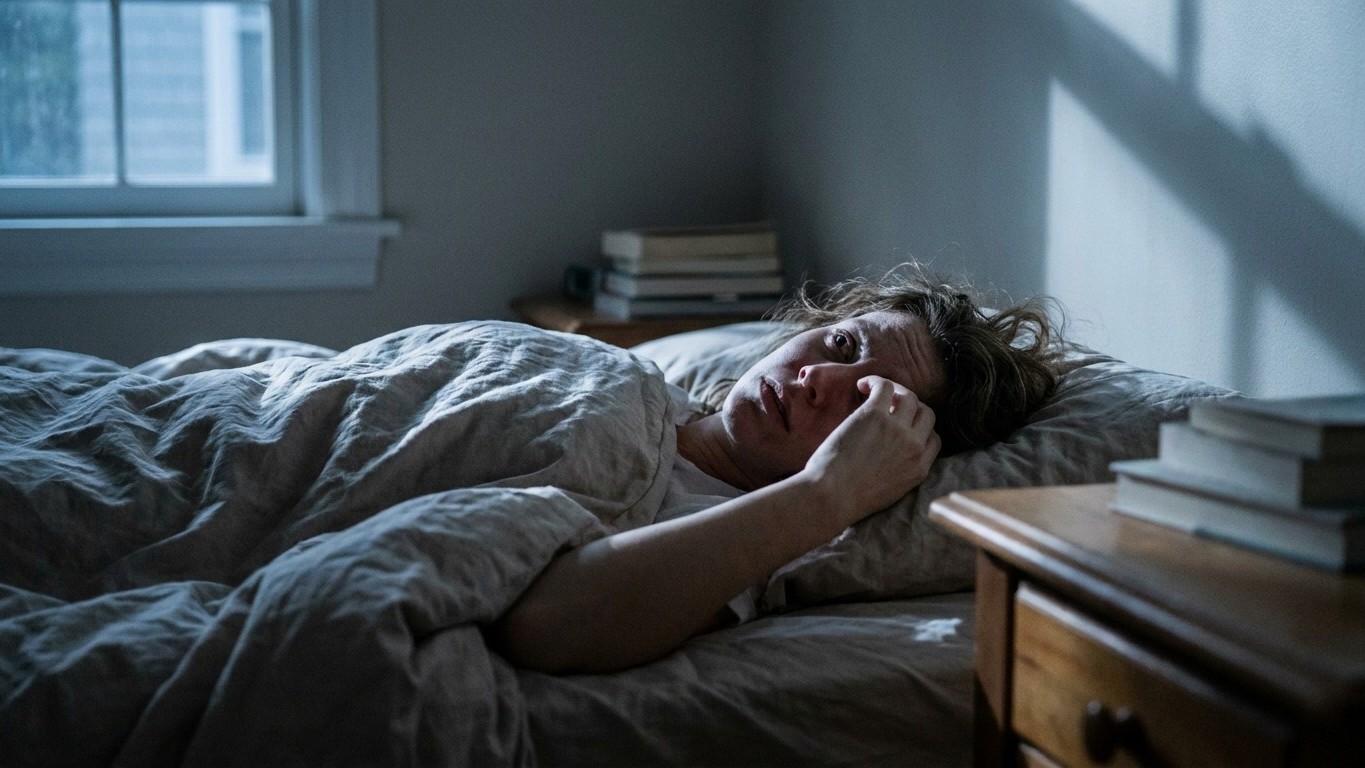
Why Sleep Doctors Missed the Most Powerful Sleep Hack: The Hot Shower Effect

Why Sleep Doctors Missed the Most Powerful Sleep Hack: The Hot Shower Effect

Sleep experts recommend cooling your bedroom, but they’re only half right. A strategically timed hot shower triggers your body’s natural sleep cascade more effectively than any thermostat ever could. The science is counterintuitive, the research is solid, and the fix takes just 10 minutes.

Forget Melatonin: The 10-Minute Morning Rule That Actually Fixes Your Sleep

Forget Melatonin: The 10-Minute Morning Rule That Actually Fixes Your Sleep

Millions take melatonin for sleep, but it’s treating the symptom, not the cause. A single 10-minute morning routine—one that costs nothing and requires no supplements—can naturally synchronize your circadian rhythm and transform your sleep quality by evening.

Harvard Study Reveals the Exact Hour Your Body Burns the Most Fat at Rest—And It’s Probably Not When You Think

Harvard Study Reveals the Exact Hour Your Body Burns the Most Fat at Rest—And It's Probably Not When You Think

A groundbreaking Harvard study reveals that your body burns significantly more calories—and preferentially burns fat—during late afternoon and evening hours, not during the fasted morning workouts the wellness industry champions. Researchers isolated the body’s internal circadian clock to discover this surprising metabolic rhythm.