Melatonin Gummies and Light: Why Your Brain Stays Awake
You're Sabotaging Your Melatonin Gummy Every Night—Here's What Your Brain Is Actually Doing

You swallow a melatonin gummy while your bedroom lamp blazes overhead—and your brain immediately enters a biological civil war. The light you think is harmless is actively suppressing the very hormone you’re trying to supplement, engaging your brain’s circadian system in a competition the supplement can’t win. Here’s what neuroscience reveals happens in those critical minutes.
Why Your Antihistamine Fails in Spring and How Timing Helps

Why Your Antihistamine Fails Every Spring—And the One Timing Trick That Actually Works

Every spring, millions assume their antihistamines have stopped working. The truth is far simpler: they’re taking them at the wrong time of day. Your immune system follows a 24-hour schedule, and so does pollen—and one strategic timing shift can eliminate morning allergy symptoms before they start.

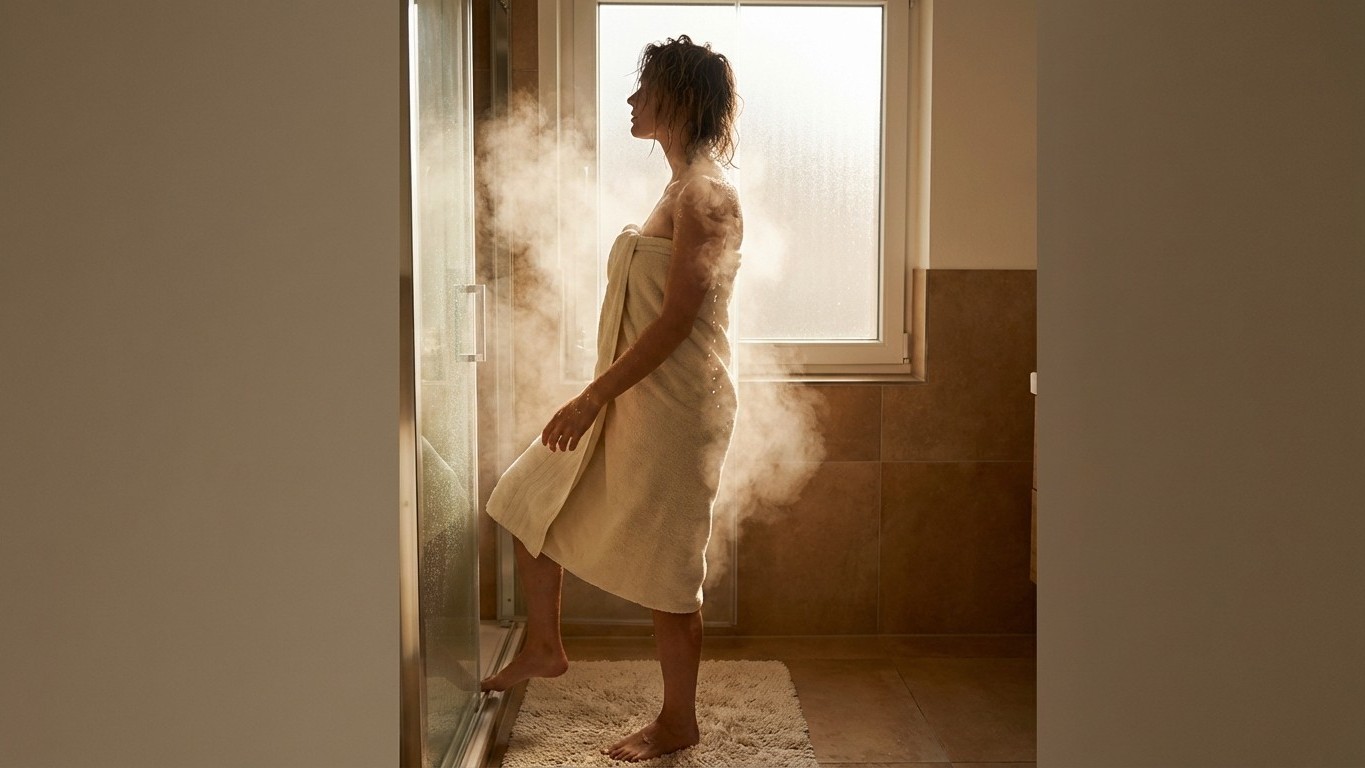
How a hot shower before bed can help you sleep better

Why Sleep Doctors Missed the Most Powerful Sleep Hack: The Hot Shower Effect

Sleep experts recommend cooling your bedroom, but they’re only half right. A strategically timed hot shower triggers your body’s natural sleep cascade more effectively than any thermostat ever could. The science is counterintuitive, the research is solid, and the fix takes just 10 minutes.

How ten minutes of morning light can improve your sleep

Forget Melatonin: The 10-Minute Morning Rule That Actually Fixes Your Sleep

Millions take melatonin for sleep, but it’s treating the symptom, not the cause. A single 10-minute morning routine—one that costs nothing and requires no supplements—can naturally synchronize your circadian rhythm and transform your sleep quality by evening.

Harvard Study: The Hour Your Body Burns the Most Fat at Rest

Harvard Study Reveals the Exact Hour Your Body Burns the Most Fat at Rest—And It's Probably Not When You Think

A groundbreaking Harvard study reveals that your body burns significantly more calories—and preferentially burns fat—during late afternoon and evening hours, not during the fasted morning workouts the wellness industry champions. Researchers isolated the body’s internal circadian clock to discover this surprising metabolic rhythm.

What a Short Walk After Dinner Does to Sleep and Blood Sugar

I Started Taking a Short Walk After Dinner: What Happened to My Sleep and Blood Sugar Was Unexpected

A modest evening habit—a short walk after dinner—quietly rewired two struggles that had plagued me for years: restless sleep and sluggish mornings. What the research reveals about glucose regulation and sleep pressure will make you reconsider your post-meal routine.