
Most of us treat spring allergies the same way. We stock up on antihistamines, track the pollen count like a weather obsessive, and resign ourselves to a scratchy throat until June. The medicine gets taken. The windows stay shut. The problem? Every evening, millions of allergy sufferers walk straight from the outdoors into their beds, hair unwashed, clothes still on, and then lie completely puzzled about why they wake up at 2 a.m. unable to breathe. The culprit isn’t the oak tree outside. It followed you inside.
Key takeaways
- You’re sleeping directly on accumulated pollen every night without realizing it—and no antihistamine accounts for that
- Your body naturally produces more histamine and less cortisol at midnight, making allergic reactions 2-3 times more intense than daytime
- One overlooked evening habit could reclaim your sleep and productivity—but 90% of allergy sufferers have never adopted it
The pollen you carry home is the pollen you sleep with
Pollen is a fine powder of particles released by plants that can enter your bedroom through open windows, or stick to your skin, hair, and clothes. That last part is the one we routinely ignore. Think about a typical spring evening: you walk the dog, commute home on public transit, sit on the stoop with a glass of wine. By the time you kick off your shoes, you’re essentially a pollen delivery system.
Pollen can cling to your hair, skin, and clothing throughout the day, then transfer to your bedding at night, creating a direct exposure path to your respiratory system. From there, it’s simple geometry. One of the most overlooked factors in nighttime allergies is what allergists call the “pillow effect”: your face remains in close contact with your pillow for 7 to 9 hours, creating prolonged exposure to any allergens that have accumulated there, with the air immediately surrounding your nose and mouth becoming concentrated with these allergens.
Seven to nine hours of direct pollen exposure, pressed against your face. No antihistamine label accounts for that.
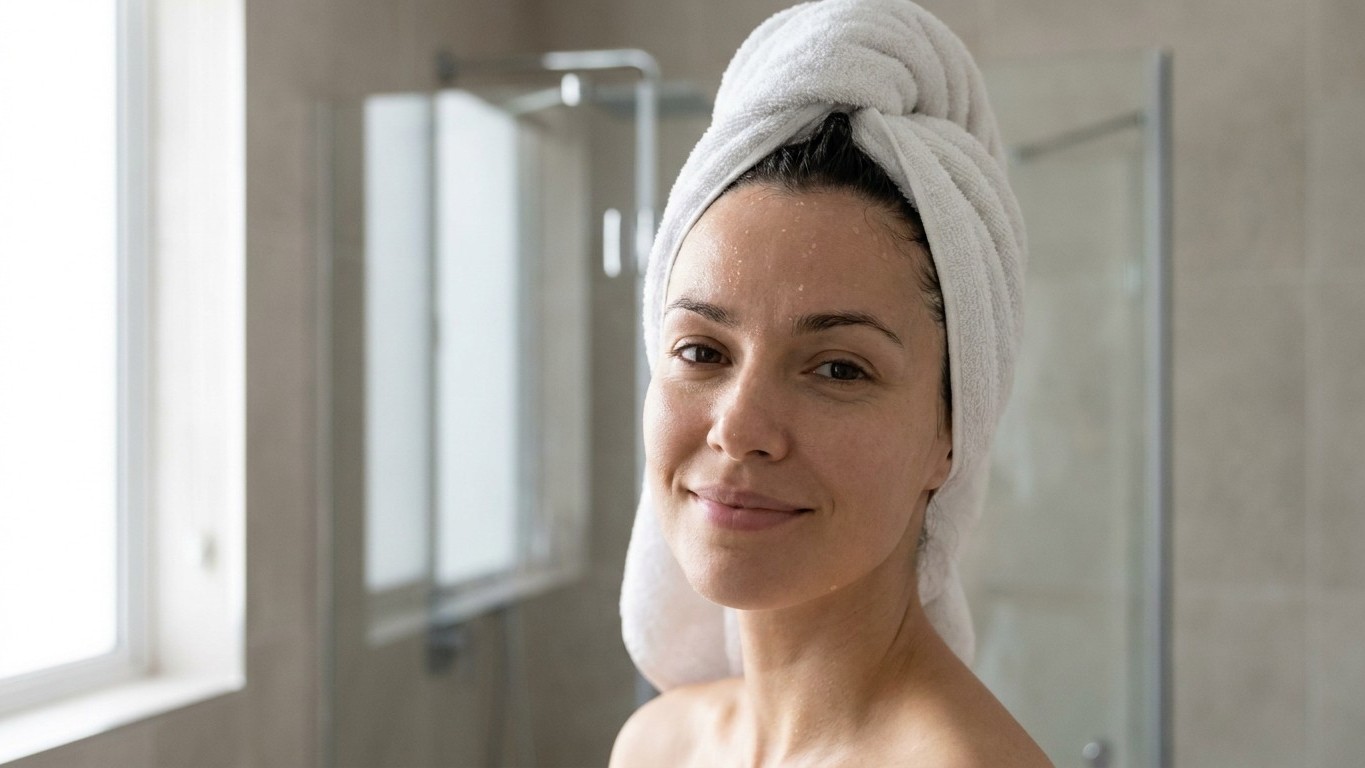
The American College of Allergy, Asthma and Immunology recommends showering before bed so you don’t sleep on pollen that has accumulated on your body or in your hair. And yet, surveys consistently show that evening showers remain one of the least-adopted allergy habits, morning showers are culturally dominant in the U.S., leaving people unknowingly marinating in allergens all night. When you get home, you should change your clothes and shower daily to ensure all the pollen is off you, including your hair, and if you can’t wash your hair every day, try covering it when you go outside with a hat or scarf.
Your body is also working against you after dark
Here’s the part that most allergy content skips entirely. Even if your bedroom were spotless, your own biology conspires to make nights harder. Your body runs on a 24-hour cycle known as the circadian rhythm, which controls numerous biological processes including histamine production. Histamine is the chemical your immune system releases during allergic reactions, triggering those familiar symptoms of sneezing, itching, and congestion. Research shows that histamine levels naturally peak during the night, particularly between midnight and 4 AM, meaning that even with consistent allergen exposure throughout the day, your symptoms may feel more intense during these nighttime hours simply because your body is producing more of the chemicals that cause discomfort.
Cortisol, your body’s primary stress hormone, actually helps suppress inflammation and allergic reactions. Cortisol levels follow a predictable daily pattern, peaking in the morning and reaching their lowest point at night, typically around midnight. This natural drop in cortisol removes a key protective mechanism just when histamine production increases, creating a perfect storm for allergy symptoms to intensify during sleeping hours.
So yes, the pollen on your pillow is a problem. But even without it, your immune system is primed to amplify reactions overnight. Combining both, unwashed hair full of pollen plus a biology that turns up the allergic response at midnight — is how a manageable spring condition turns into months of miserable sleep.
Research shows that over 90% of allergy sufferers have difficulty sleeping, and nighttime allergy symptoms can be 2 to 3 times more intense than daytime symptoms. That’s not a small variance. That’s the difference between a productive day and brain fog before 9 a.m.
What an effective evening routine actually looks like
The fix isn’t complicated, but it requires re-ordering habits that most Americans have never been prompted to change. The evening shower, specifically focused on hair and face, is the non-negotiable starting point.
Be sure to wash your face before bed. As Cleveland Clinic allergist Dr. Hong explains: “Washing your face at night gets the pollen off of our face, out of our eyelashes and off of our eyebrows, so they’re not getting into our eyes, and we’re not rubbing it directly into our eyes, causing us more symptoms.” On nights when a full hair wash isn’t realistic, covering your hair in bed with a bonnet is a legitimate alternative, because allergens can get in your hair and onto your pillow, and when you flip over, they get on your face and in your eyes.
Don’t get into bed with your outside clothes on, because the pollen will follow. Rinsing your eyes and nose with saline to remove any pollen is also useful, experts say. A saline nasal rinse before bed, in particular, is the kind of two-minute habit that can meaningfully reduce the load of allergens sitting in your nasal passages all night long.
Bedding is the other half of the equation. Washing bedding regularly matters because sheets and pillowcases can trap pollen, washing them often in hot water can reduce nighttime symptoms. The American College of Allergy, Asthma and Immunology specifies hot water at 130°F as the benchmark for eliminating dust mites and allergens effectively.
The allergy season that won’t quit, and why habits matter more than ever
Warming trends are leading to more freeze-free days each year, giving plants more time to grow and release allergy-inducing pollen. The freeze-free growing season lengthened in 87% of U.S. cities analyzed, by 21 days on average from 1970 to 2025. Twenty-one extra days of pollen season. That’s not a rounding error — that’s three additional weeks of exposure every year.
If you think pollen allergies are getting worse, you’re not wrong. Longer, more intense pollen seasons caused by the impact of climate change now make allergy symptoms hit harder and last longer, and some parts of the United States now experience pollen year-round. The 2026 Allergy Capitals report from the AAFA documented several Western cities entering the top 20 most challenging allergy cities for the first time, a direct reflection of these shifting patterns.
Frankly, this context makes the evening shower argument even stronger. When the season lasts longer, the cumulative pollen load you’re dragging into your bedroom night after night adds up to something your immune system simply can’t shrug off with a daily antihistamine. Physicians treating allergy patients frequently hear patients ask “why am I so exhausted?”, and the answer is that nasal congestion and airway inflammation from allergies can significantly disrupt sleep quality, even if patients don’t fully realize it.
One detail worth keeping in mind if you have pets: if you’re a pet owner, it might be time to bathe your furry friend more regularly during pollen season. Pets can trigger allergies from their dander, but they can also bring pollen into the home on their coats after every outdoor walk, effectively undoing all your other precautions if they share your bed. For allergy sufferers, spring 2026 is the year the bedroom finally gets treated as the front line it always was.
Sources : healthline.com | usnews.com