
Bleeding gums linked to cognitive decline, dentists warn
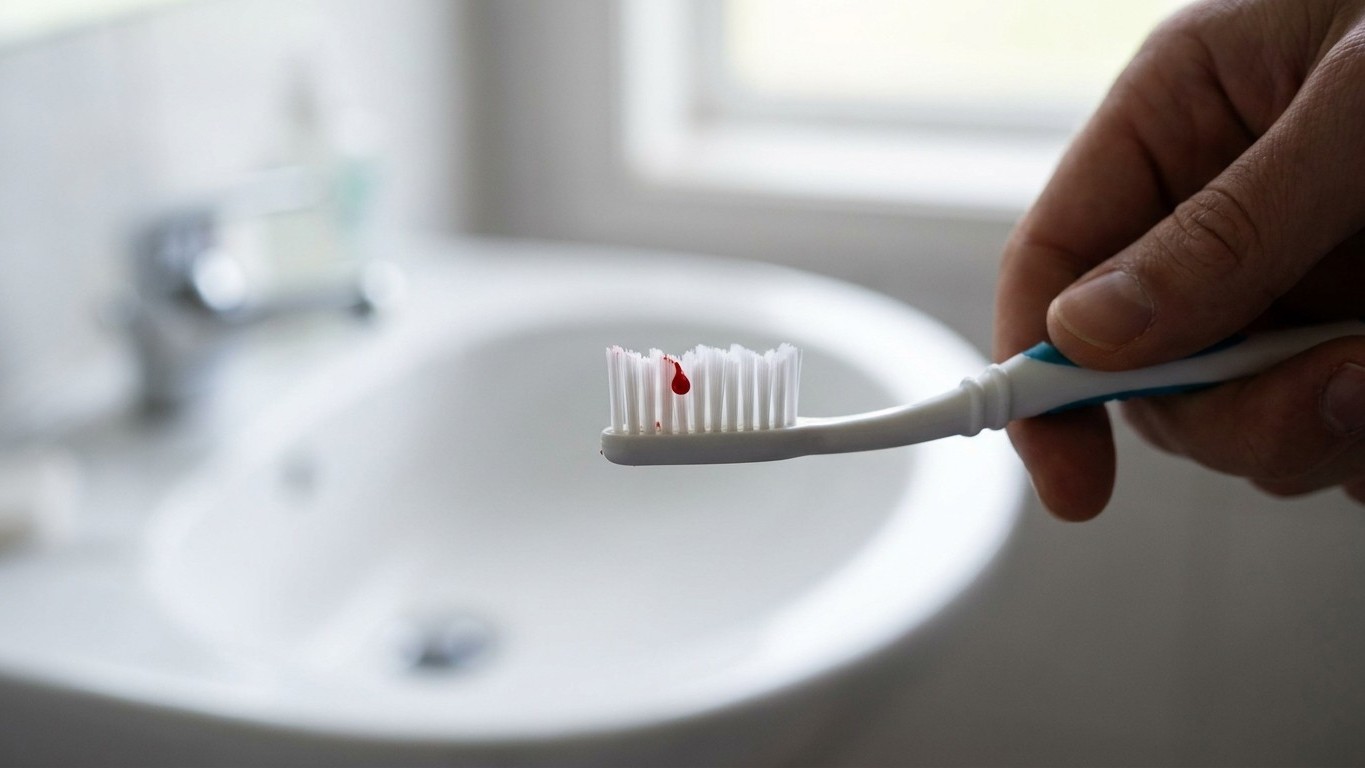
Dentists no longer treat a little blood on the brush as a harmless detail: what a laboratory found sitting next to the dep...

A mouth bacterium called Porphyromonas gingivalis is showing up in the brains of Alzheimer’s patients with alarming frequency. Research reveals it may actively destroy brain neurons and sabotage the brain’s own defense systems. The connection is so strong that developing Alzheimer’s risk may double within a decade of gum disease diagnosis.


Why some brains with Alzheimer’s lesions show no dementia

She died at 101 with a brain riddled with Alzheimer's lesions: science has just understood why she never showed a single s...

Sister Mary died at 101 with a brain riddled with Alzheimer’s plaques and tangles, yet she remained cognitively sharp until the end. Scientists studying her case and others like it have finally cracked the biological mystery: the answer lies not in avoiding the disease, but in how the brain’s immune cells contain it.

Flu shot may lower Alzheimer’s risk, research suggests

The Flu Shot Your Brain Has Been Waiting For: How a Routine Vaccine May Slash Alzheimer's Risk by 55%

A striking body of research reveals that the humble flu shot—dismissed as a seasonal routine—may be one of the most powerful tools available for reducing Alzheimer’s disease risk, with some studies showing a 55% risk reduction. The mechanism involves preventing inflammatory damage to the brain and clearing harmful proteins associated with dementia.

Quitting Sugar: Why Days 3 to 5 Are the Hardest

Why You Quit Sugar on Day 4: The Neuroscience of Giving Up Right Before Your Brain Resets

Between day 3 and day 5 without sugar, your brain undergoes a crucial neurological reset—but most people quit right before it happens. The discomfort you feel isn’t a warning sign; it’s proof the process is working. Here’s the science of why almost everyone abandons their attempt at the exact moment their brain was about to transform.