Why some brains with Alzheimer’s lesions show no dementia
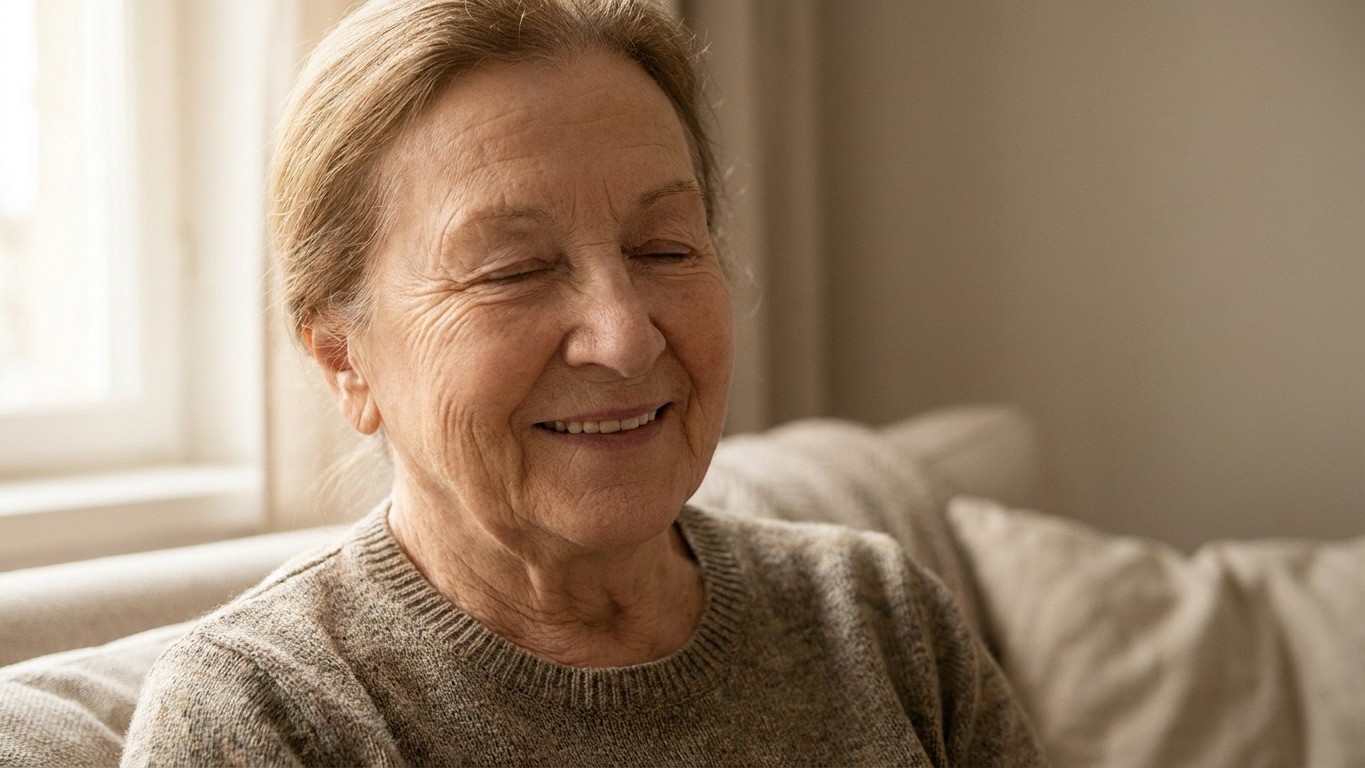
She died at 101 with a brain riddled with Alzheimer's lesions: science has just understood why she never showed a single s...

Sister Mary died at 101 with a brain riddled with Alzheimer’s plaques and tangles, yet she remained cognitively sharp until the end. Scientists studying her case and others like it have finally cracked the biological mystery: the answer lies not in avoiding the disease, but in how the brain’s immune cells contain it.

Why a bedroom above 25°C is a warning for people over 65

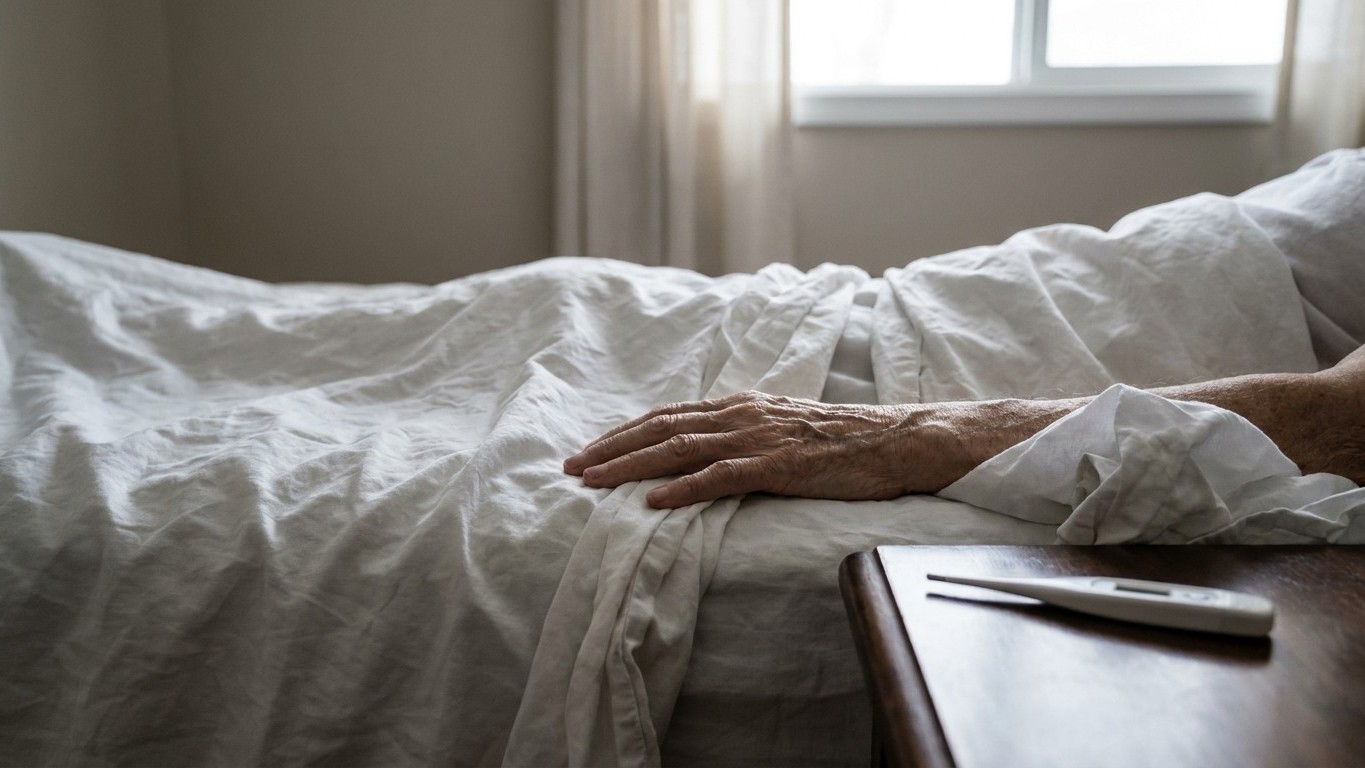
'I thought I was just sleeping badly': why a bedroom that stays above 25 °C is a real warning for anyone over 65

That restless night you blamed on stress? For anyone over 65, a bedroom above 77°F may be silently triggering heart rate changes, sleep disruption, and increased stroke risk. New research reveals why the universal “keep it cool” advice fails aging bodies—and what temperature actually protects them.

Why thirst is an unreliable sign of dehydration after age 60

Why Thirst Is Unreliable After 60: The Hidden Dehydration Crisis Seniors Don't See Coming

After 60, the body’s thirst mechanism becomes dangerously unreliable—by the time an older adult feels thirsty, dehydration has already set in. This physiological shift explains why emergency rooms see summer spikes in senior dehydration cases, and why symptoms often get misdiagnosed as cognitive decline or falls instead.

Your Grip Strength After 50 Predicts Your Future Health Better Than Blood Pressure

Your Grip Strength After 50 Predicts Your Future Health Better Than Blood Pressure

A simple 30-second grip strength test reveals more about your future health than blood pressure ever could. Scientists found that reduced grip strength predicts early death better than traditional cardiovascular metrics, and the stakes are surprisingly high: each 5kg decline increases mortality risk by 16%.

What failing a 10-second one-leg stand at 53 can mean

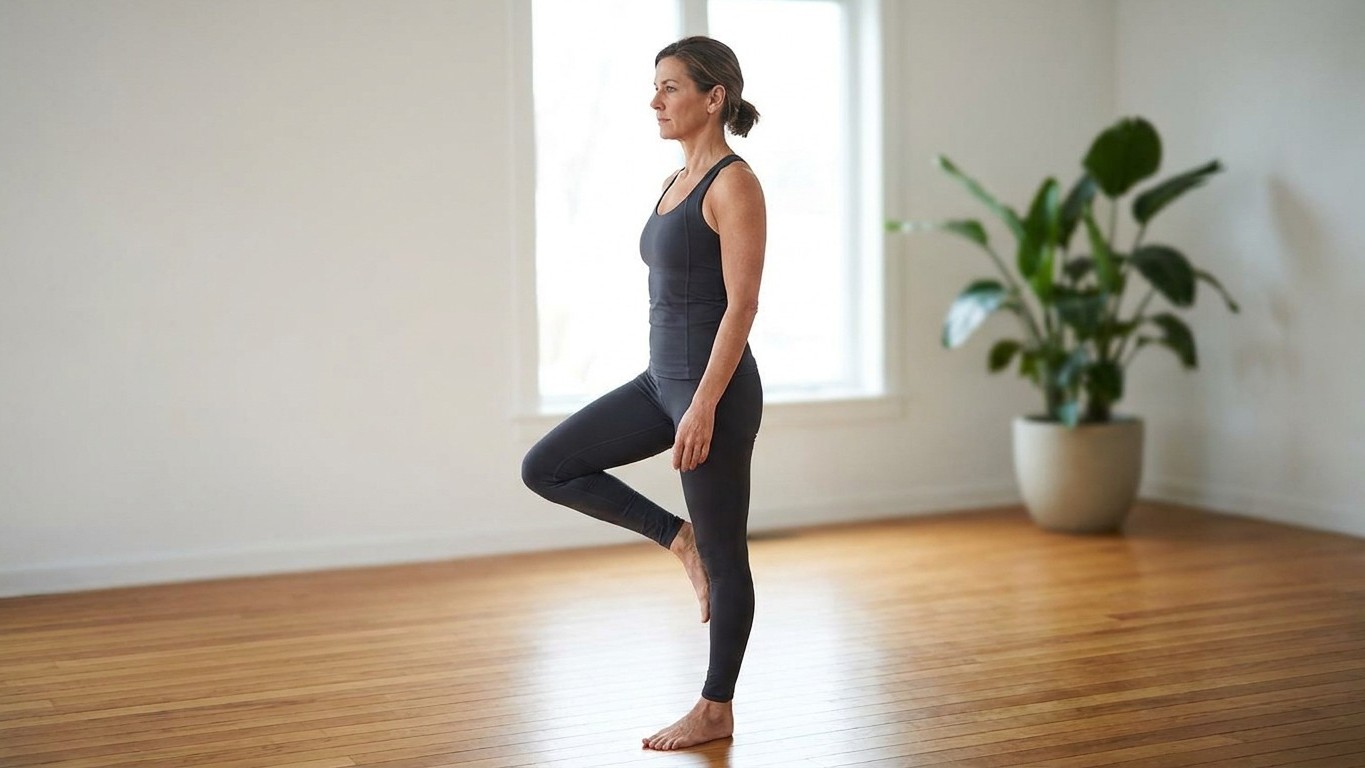
I Couldn't Stand on One Leg for 10 Seconds at 53—Then My Doctor Revealed What It Really Meant, and I Changed Everything

At 53, failing to stand on one leg for 10 seconds felt like nothing—until a doctor explained the research. This simple test is linked to an 84% higher mortality risk and reflects far more than just balance. Here’s what’s actually happening in your body, and how to reverse it.

Flu shot may lower Alzheimer’s risk, research suggests

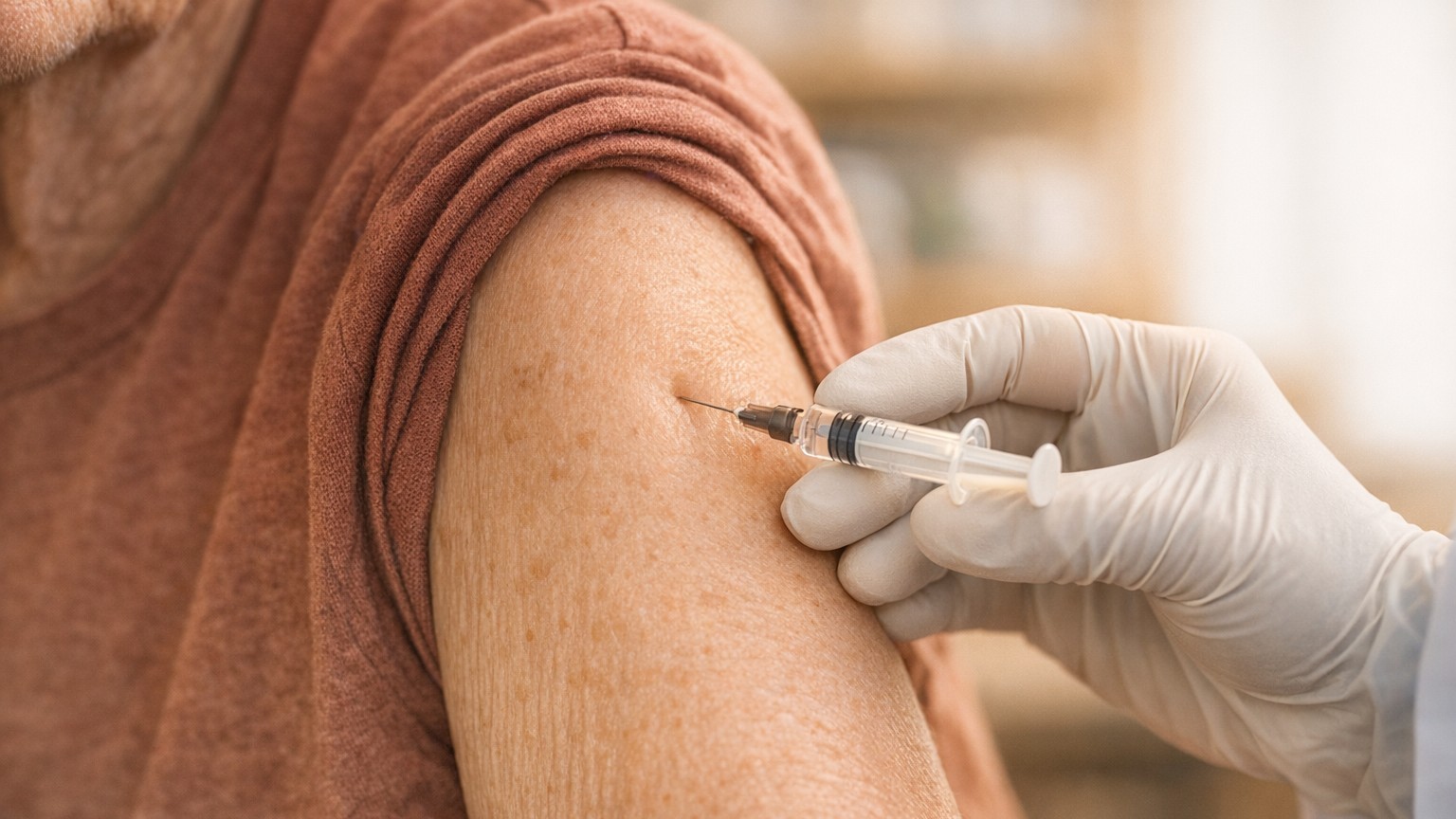
The Flu Shot Your Brain Has Been Waiting For: How a Routine Vaccine May Slash Alzheimer's Risk by 55%

A striking body of research reveals that the humble flu shot—dismissed as a seasonal routine—may be one of the most powerful tools available for reducing Alzheimer’s disease risk, with some studies showing a 55% risk reduction. The mechanism involves preventing inflammatory damage to the brain and clearing harmful proteins associated with dementia.