We all insist on rinsing our tinned chickpeas under the tap, when it’s exactly what goes down the plughole that a pastry chef would never let out of the kitchen
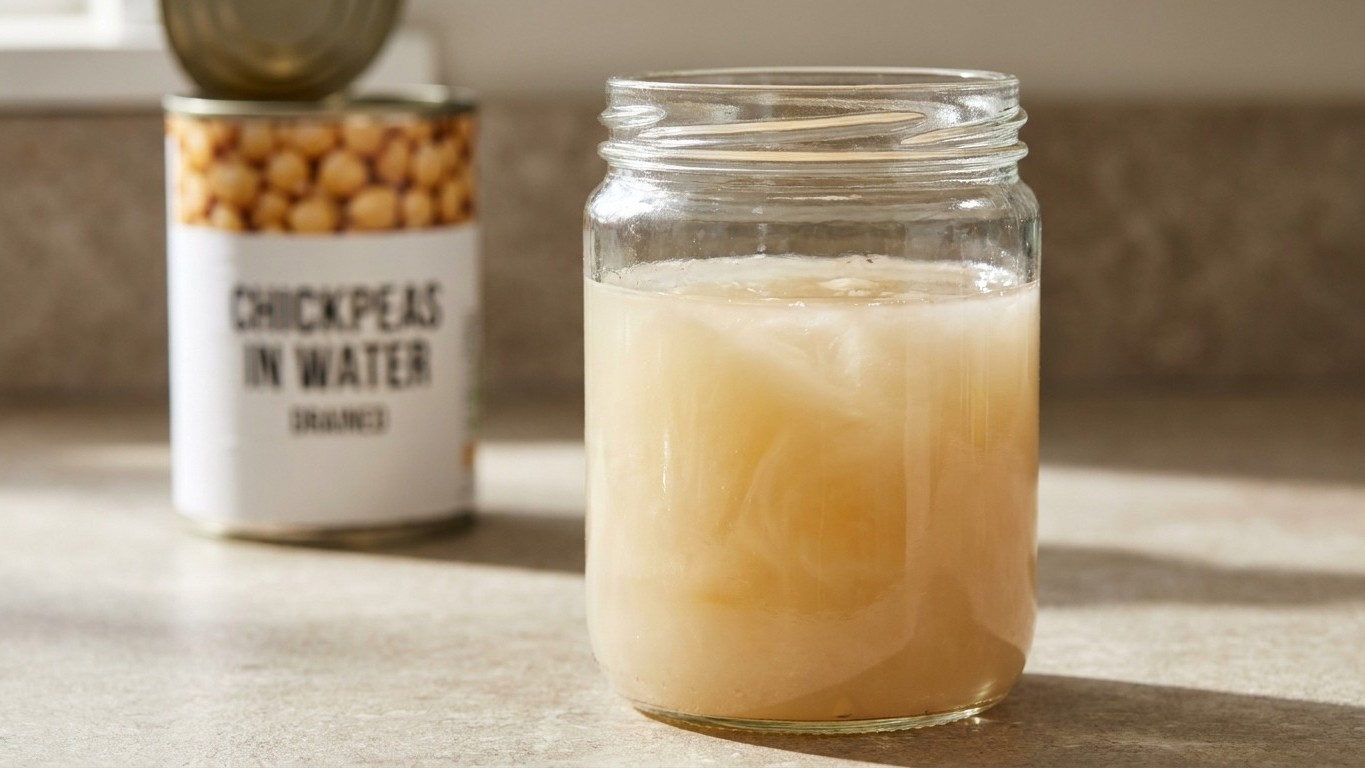
We all insist on rinsing our tinned chickpeas under the tap, when it's exactly what goes down the plughole that a pastry c...

The cloudy liquid you drain from canned chickpeas isn’t garbage—it’s aquafaba, a culinary secret that whips into meringues, mousse, and cocktail foams just like egg whites. What started as a vegan discovery in 2014 has become serious food science, with chefs and researchers unlocking its surprising potential in the kitchen.
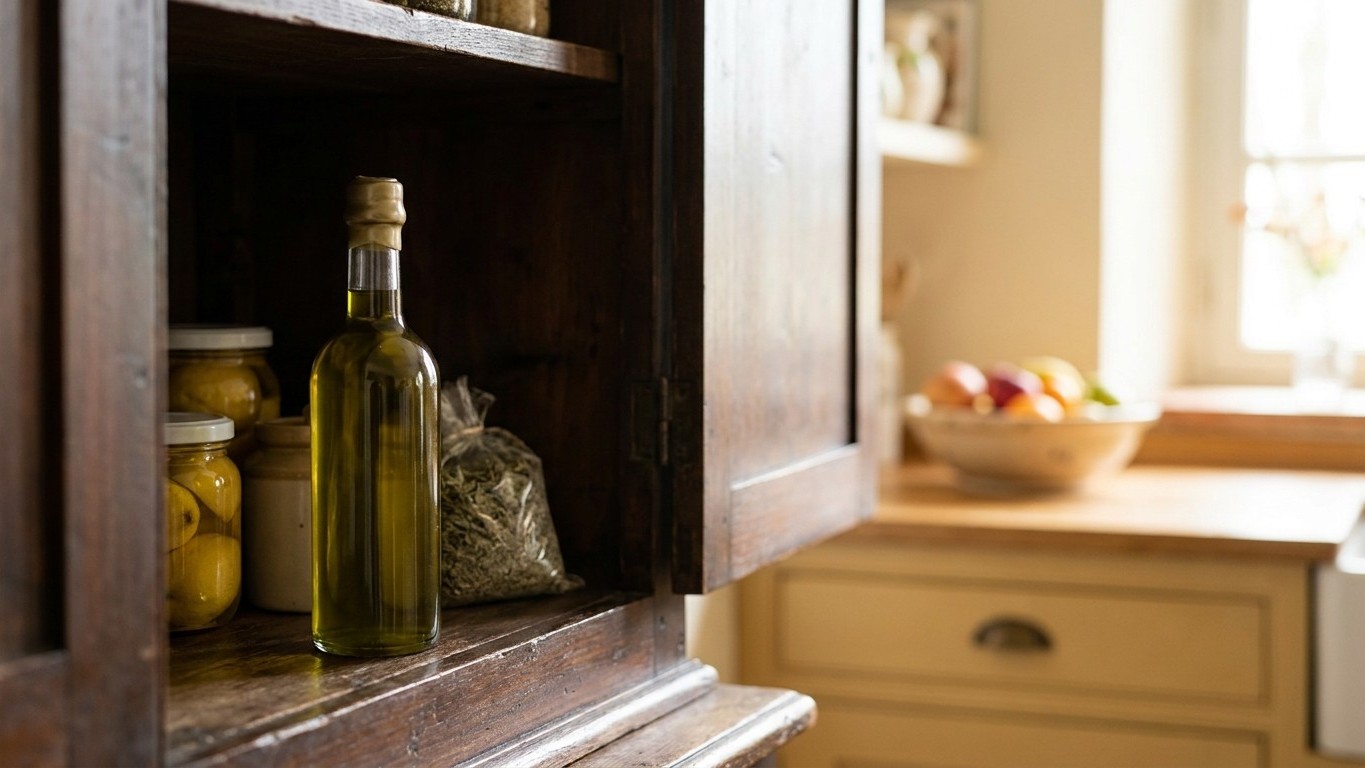
Olive growers never leave their oil on the worktop or beside the cooker: the one spot that keeps the taste and everything good in it intact

Olive growers never leave their oil on the worktop or beside the cooker: the one spot that keeps the taste and everything ...

Olive growers have a secret: they never store their precious oil on the kitchen counter. Heat, light, and temperature fluctuations are silently destroying your bottle’s flavor and nutritional value. Moving it takes seconds but extends shelf life by months.

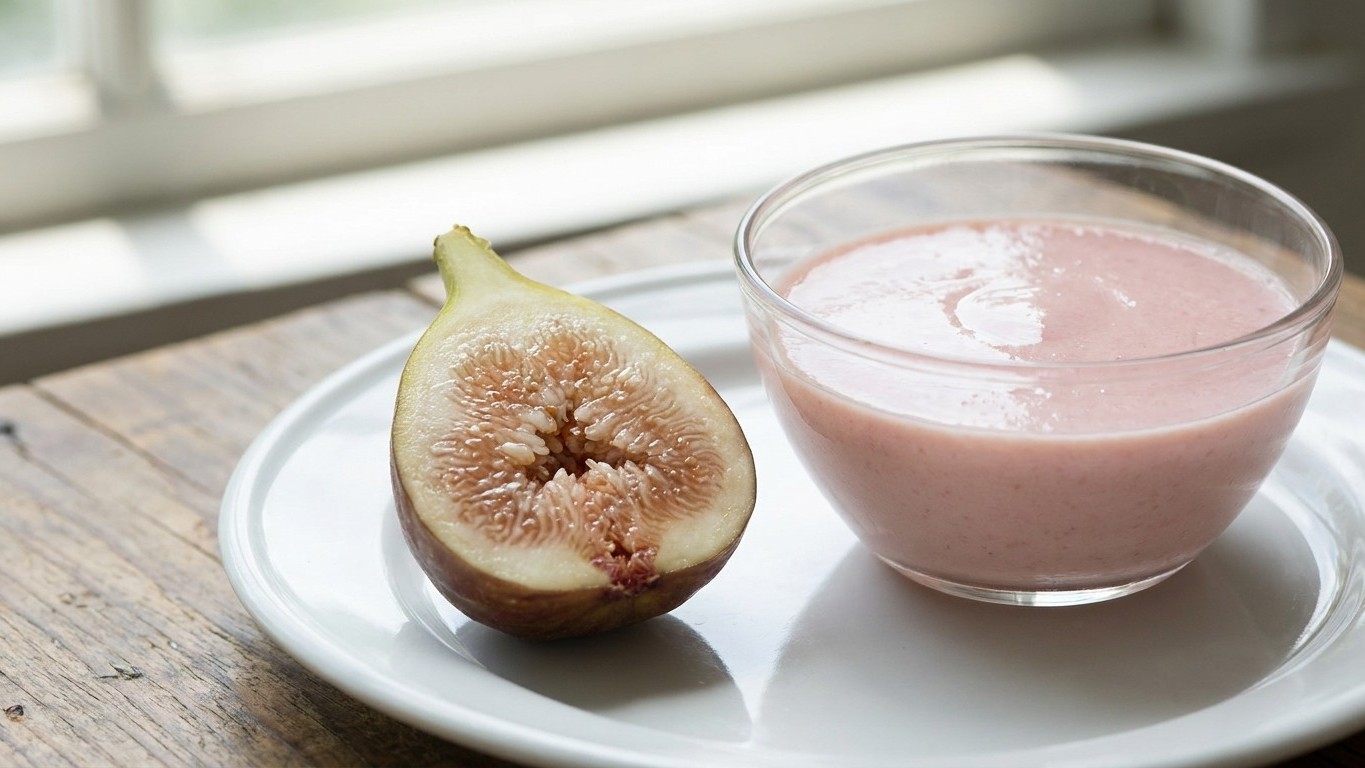
We all insist on blaming the gelatine when the mousse stays liquid, when it’s what the raw fig quietly releases that undoes the whole thing

We all insist on blaming the gelatine when the mousse stays liquid, when it's what the raw fig quietly releases that undoe...

That perfect fig mousse that turned into soup wasn’t a gelatin failure—it was biochemistry winning. Fresh figs contain ficin, a protein-cutting enzyme that dismantles gelatin’s collagen chains faster than they can set. Discover why heat is the only real fix.

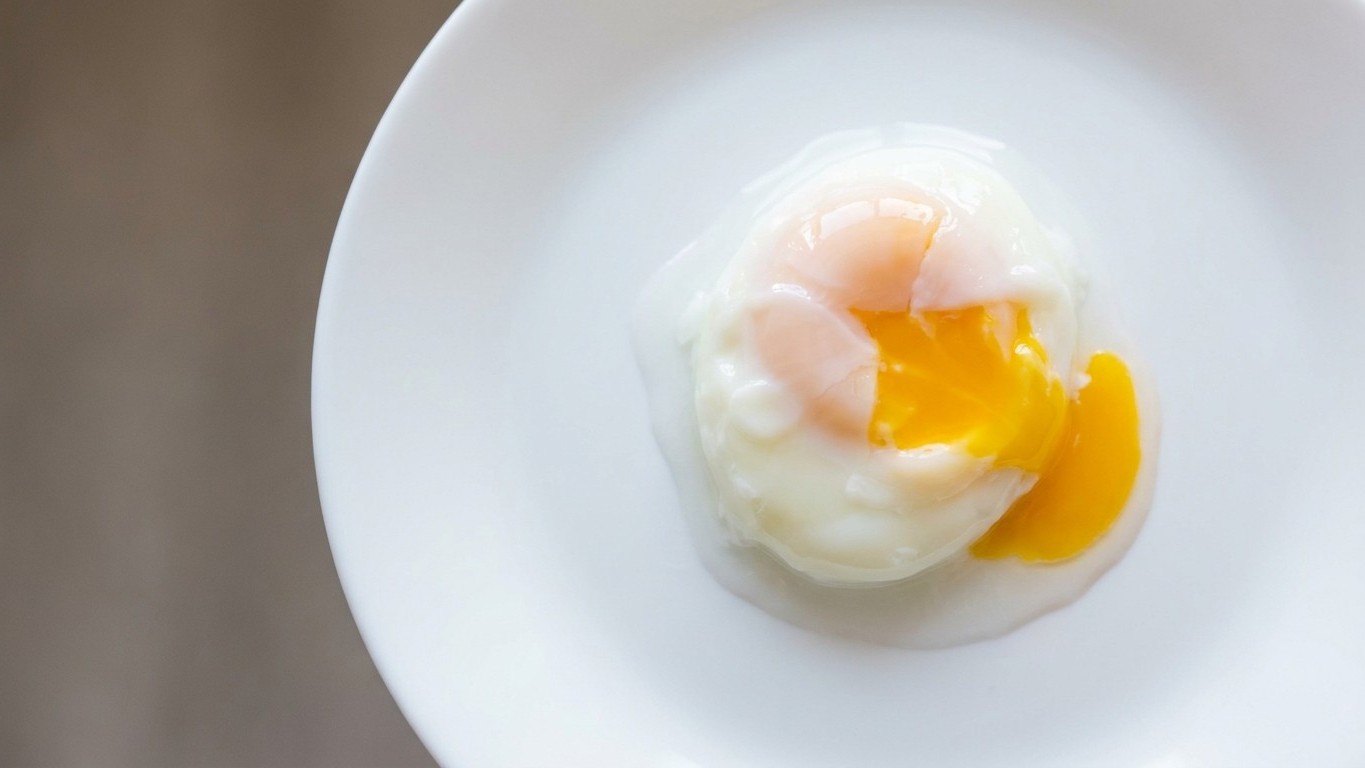
It’s over for vinegar swirled into the poaching water: what keeps the white in one piece is already decided before the pan, and it comes down to nine days

It's over for vinegar swirled into the poaching water: what keeps the white in one piece is already decided before the pan...

Vinegar won’t save an old egg. The real secret to a glossy, tender poached egg is decided nine days before you crack it into the pan—at the henhouse. Learn the chemistry that breaks down egg whites over time and how to test for freshness in seconds.

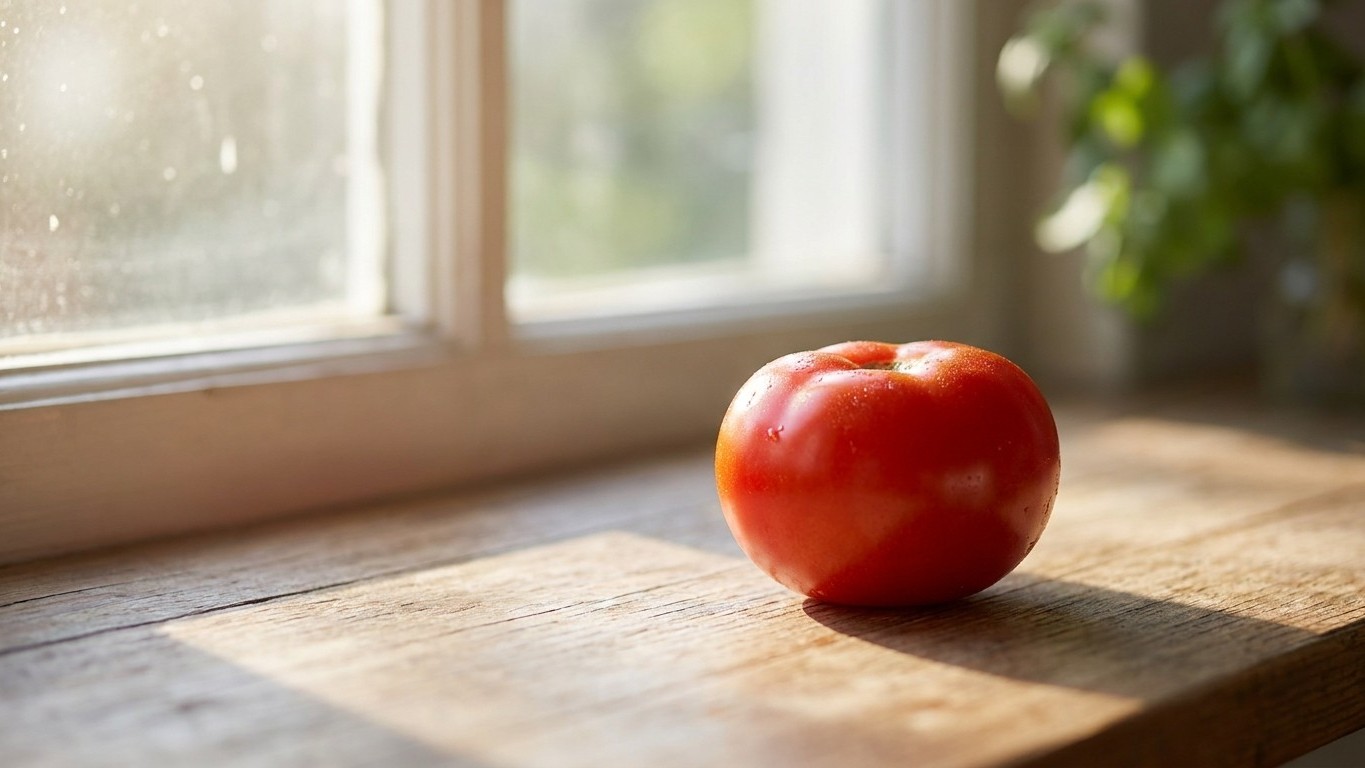
We all insist on putting tomatoes in the fridge, when it’s those few degrees below 12 °C that switch off the smell for good

We all insist on putting tomatoes in the fridge, when it's those few degrees below 12 °C that switch off the smell for good

Scientists have discovered that refrigerating tomatoes below 12°C triggers genetic methylation that silences the genes responsible for producing flavor compounds. Even warming them up afterward can’t fully restore what the cold damage took away. The solution is surprisingly simple: keep ripe tomatoes on the counter.

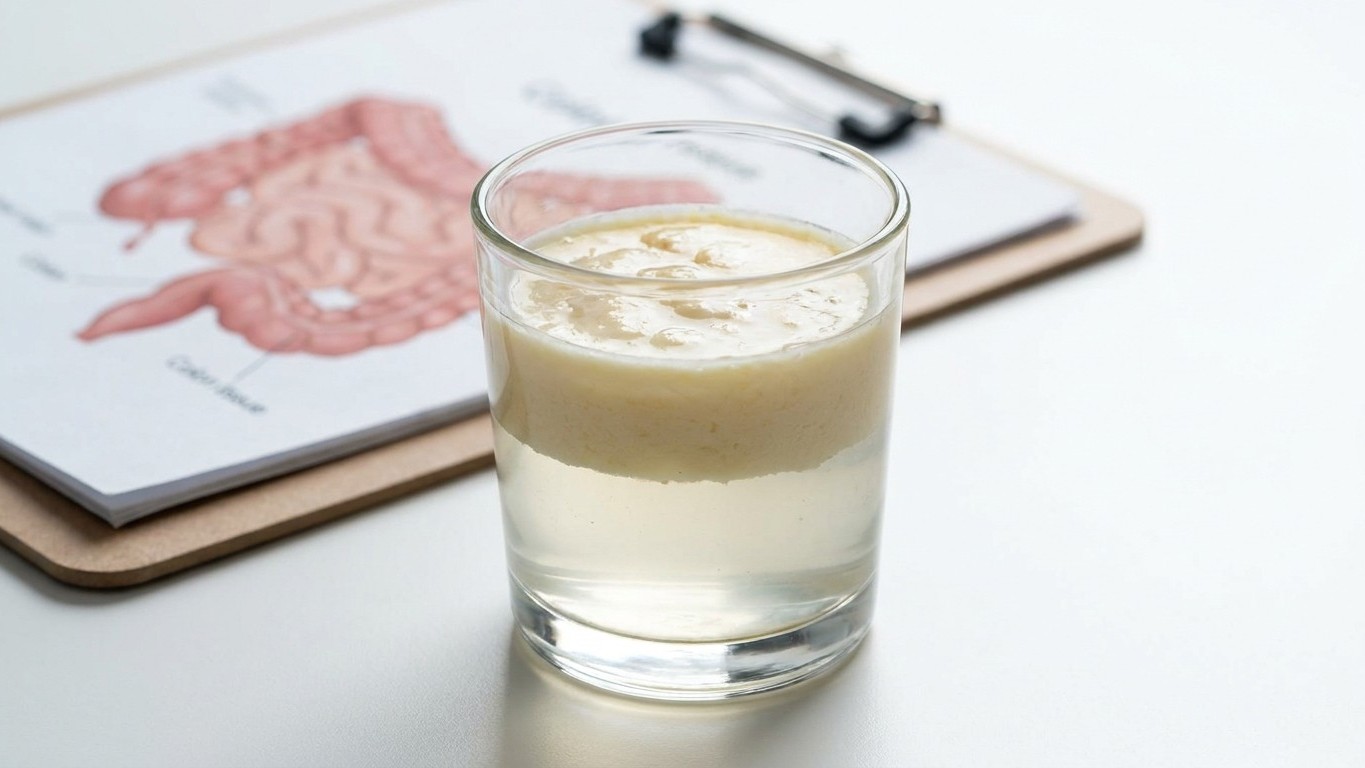
We all keep checking the salt and sugar on the label, when these two emulsifiers are quietly thinning the layer that protects the colon

We all keep checking the salt and sugar on the label, when these two emulsifiers are quietly thinning the layer that prote...

While shoppers obsess over sodium and sugar labels, two synthetic emulsifiers—carboxymethylcellulose and polysorbate 80—are quietly compromising the mucus layer that protects your colon. Years of research suggest these additives, found in thousands of products from ice cream to salad dressing, may alter your gut’s bacterial composition and trigger inflammation through different mechanisms. The science points to cumulative exposure as the real concern.

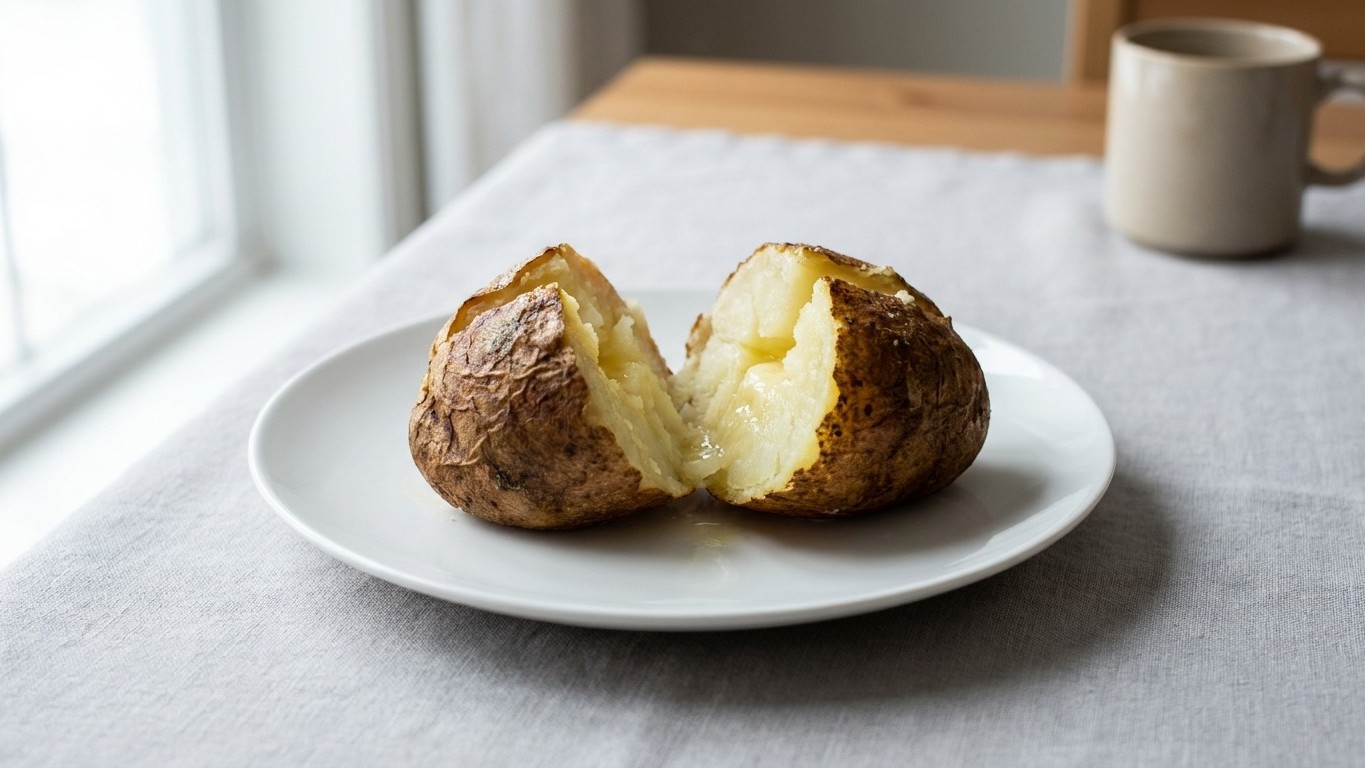
I threw my potatoes straight into the oven raw just to save time: when I pulled out the tray, I understood what the boiling water was actually for

I threw my potatoes straight into the oven raw just to save time: when I pulled out the tray, I understood what the boilin...

After throwing raw potatoes into a 425-degree oven, I pulled out a tray of pale, rock-hard disappointment. Turns out the boiling water step wasn’t a suggestion—it’s doing essential chemistry that raw potatoes can’t replicate. Here’s what I learned about the starch secret that separates crispy perfection from culinary failure.

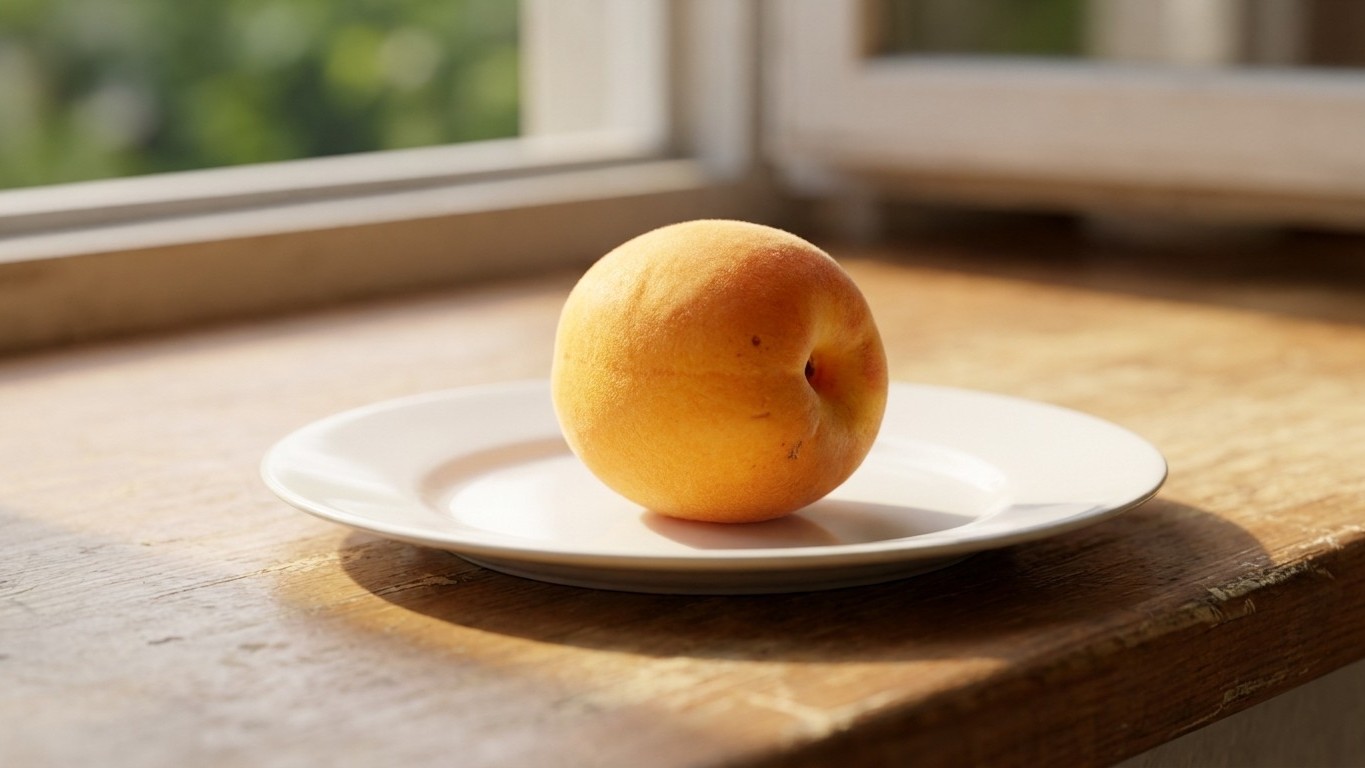
I picked my apricots while they were still firm to let them ripen at home: weeks later, I finally understood why they never got any sweeter

I picked my apricots while they were still firm to let them ripen at home: weeks later, I finally understood why they neve...

You’ve picked firm apricots hoping they’ll sweeten on your counter—but weeks later, they’re still disappointingly bland. It turns out this isn’t bad luck; it’s basic fruit physiology. Once apricots leave the tree, they lose access to the sugar supply that makes them truly sweet.

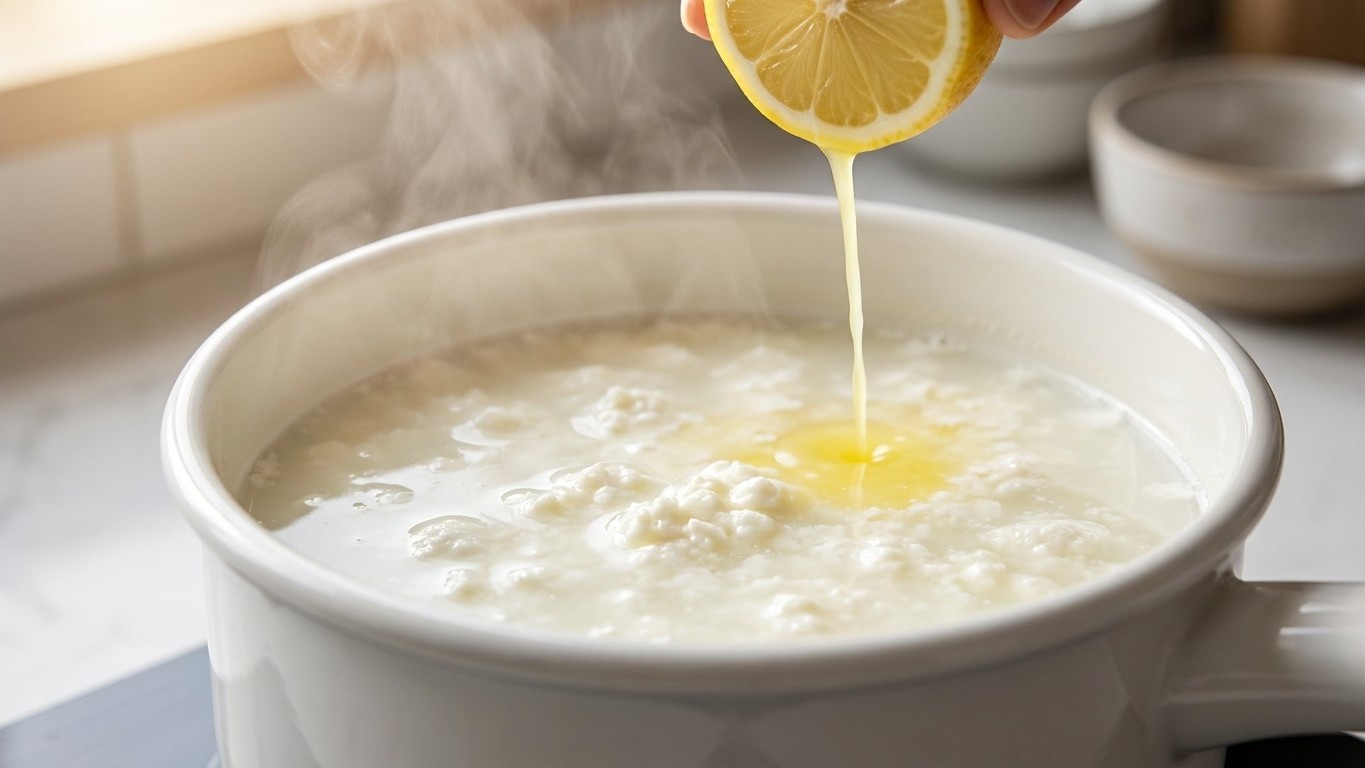
I always poured lemon juice into hot milk without knowing why it worked: a cheesemaker showed me what actually happens to the casein at 85°C

I always poured lemon juice into hot milk without knowing why it worked: a cheesemaker showed me what actually happens to ...

You’ve squeezed lemon juice into hot milk countless times, but what’s actually happening at 85°C? A cheesemaker reveals the hidden electrical charges, protein reactions, and precise temperature thresholds that transform liquid milk into curds—and why this isn’t magic, it’s textbook chemistry.