
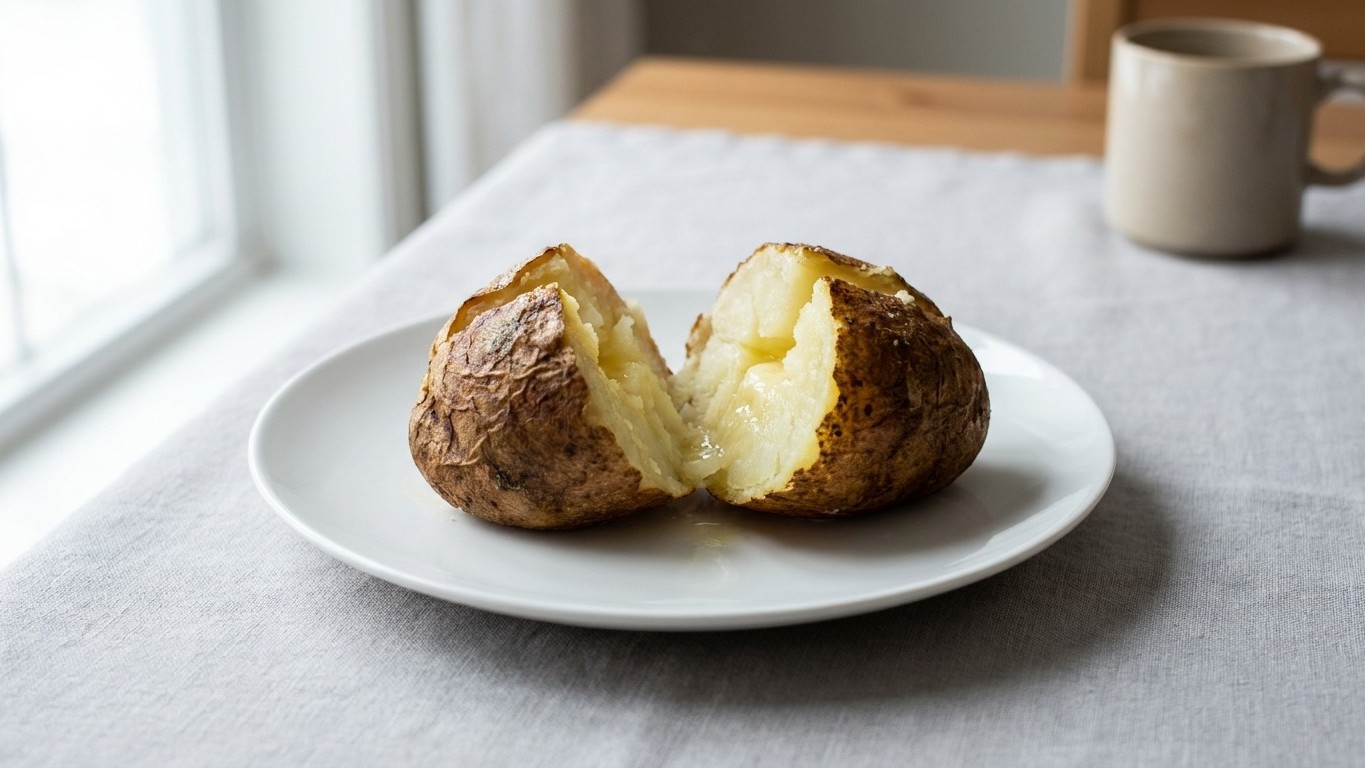
Forty minutes. That’s how long the raw potato chunks sat in a 425-degree oven before I pulled the tray out, expecting golden, crackling edges. Instead: pale, waxy exteriors clinging stubbornly to rock-hard centers, the kind of half-cooked disappointment that makes you double-check the oven actually turned on. No crust. No fluff. Just a sad, starchy in-between.
Skipping the boiling step felt like a smart shortcut, one less pot, one less step, dinner on the table faster. Turns out that pot of boiling water wasn’t a suggestion. It was doing chemistry I had no idea I was skipping.
Key takeaways
- What happens when starch granules absorb boiling water—and why it’s non-negotiable for crispiness
- The moisture math that explains why raw potatoes brown outside before cooking inside
- A controversial 5-minute technique that separates restaurant-quality crispy potatoes from disappointing duds
The Starch Secret Nobody Talks About
Here’s what actually happens inside a potato when it hits boiling water first. When potatoes are boiled, the starch granules in their cells absorb water and swell, creating a slightly sticky layer on the surface of the potato. That sticky layer isn’t a flaw. It’s the entire point.
Once drained and roughed up a little, this gelatinized starch roughens, creating microscopic ridges and valleys that increase the surface area exposed to the hot oil during roasting, resulting in superior browning and crisping. That’s the textured, almost craggy exterior you see on properly roasted potatoes, the one that shatters slightly when you bite into it. Raw potato skin simply doesn’t have that architecture. It’s smooth, dense, unprepared.
There’s a second, quieter benefit happening at the same time. Parboiling also helps to cook the potatoes partially from the inside out, ensuring that the potatoes are fluffy and tender on the inside, without requiring an excessive amount of time in the oven. Skip that head start, and the oven has to do all the work of softening the interior and browning the exterior simultaneously, a race the outside almost always wins first, badly.
Why Raw-to-Oven Potatoes Betray You
My tray wasn’t a fluke. Chef and cookbook author Nisha Vora described the exact failure mode I’d created: raw potatoes going straight into a hot oven brown on the outside before the inside finishes cooking, leaving you with potatoes that are either too firm in the center or a little dry and leathery, not the crispy-crunchy, soft-inside magic we’re going for.
The moisture math backs this up too. When you roast raw potatoes, the moisture needs to evaporate before they start browning and crisping, which is why skipping parboiling means the potatoes might cook unevenly with an under-cooked interior. Basically, the oven is stuck driving out water it never had a chance to reorganize first. Boiling does that reorganizing in six or seven minutes flat, at a fraction of the energy cost of forty extra minutes of dry heat.
Contrary to what feels intuitive, boiling first doesn’t waterlog the potato and make it soggier. It’s actually the opposite move, it primes the surface to shed moisture faster once real heat arrives, because that starch layer dries and crisps far more efficiently than raw potato flesh ever could.
The Five-Minute Fix That Changes Everything
The fix isn’t complicated, and it barely adds time to dinner. Cut potatoes into even chunks, drop them into a pot of well-salted cold water, bring it to a boil, and let them go until a fork slides in with almost no resistance but the pieces haven’t fallen apart. Parboiling typically takes 8 to 10 minutes, whereas fully boiling the potatoes takes 10 to 12 minutes, and the potatoes are ready when you’re able to pierce them with a fork without much pressure.
Drain them, then don’t rush straight to the oven. Let them sit in the colander or back in the warm pot for a few minutes. Steam-dry the potatoes before roasting by transferring them to a colander and letting them sit for 5 to 10 minutes so excess moisture evaporates, since drier surfaces brown faster and crisp more deeply. This is the step almost everyone skips, and it’s the one that separates decent from genuinely craveable.
One more move, courtesy of several chefs who all landed on the same trick independently: give the pot a shake or attack the edges with a fork after draining. Once they’re dry, “rough them up”, shake the pot so the potatoes release a little of their natural starch. That ragged surface is exactly what catches oil and turns audibly crunchy in the oven.
A splash of baking soda in the boiling water pushes things further for anyone chasing restaurant-level crunch. Adding a teaspoon of baking soda to salted water before boiling russet potatoes increases the alkalinity of the water, which breaks down the outside edges of the potatoes further, giving them a crispier texture when roasted. Just don’t overdo it, a little goes a long way before it starts tasting soapy.
Potato variety matters here too. Russets bring high starch and maximum crispiness but can taste flat and dry inside; Yukon Golds trade a bit of crunch for a richer, buttery interior. Small red or fingerling potatoes work well with skins left on for extra texture. Most home cooks land somewhere between the two, depending on whether crunch or creaminess is the priority that night.
What surprised me most, once I understood the mechanism, wasn’t that boiling mattered. It was how little of it you actually need, a few minutes of simmering does more heavy lifting for texture than half an hour of extra oven time ever could. Next time the shortcut instinct kicks in, it’s worth remembering that the potatoes aren’t the ones being impatient. That was entirely me.
Sources : proportionalplate.com | thetakeout.com