
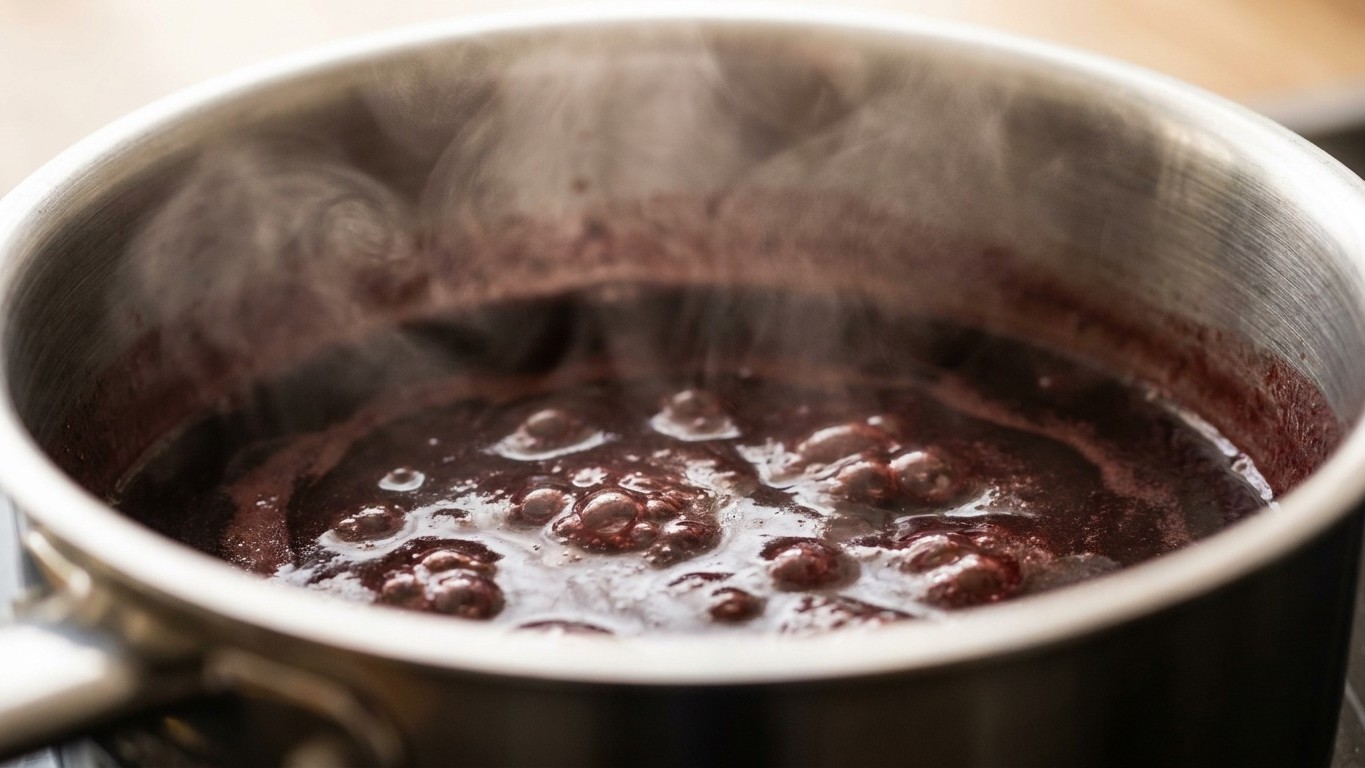
That dry, cottony grip on the back of your tongue after a spoonful of red wine sauce isn’t a seasoning problem. It’s tannin, and no amount of butter whisked in at the last minute actually gets rid of it. It just buries it.
Ask any culinary school instructor what happens when you pour a glass of Cabernet into a saucepan and let it simmer down to a glossy nappage, and the answer is blunt. If you just reduce red wine into a sauce, the tannins will become more concentrated and even less pleasant than they were to begin with. The heat doesn’t destroy them. It just cooks off the water and the alcohol, leaving everything else, including the very compounds that make your mouth pucker, sitting in a smaller, denser pool.
Key takeaways
- Reducing young red wine concentrates tannins instead of cooking them away—heat only removes water and alcohol, leaving the astringency stronger
- Butter does work through real chemistry, but it’s a last-minute bandage applied after you’ve already created the problem
- The actual fix requires three strategic moves: choosing lower-tannin wines, letting protein bind the tannins first, and reducing with restraint
Why Butter Feels Like a Fix (and Sort of Is)
Here’s the part that surprised me when I started digging into the actual chemistry: the butter-and-cream reflex isn’t pure superstition. It’s rooted in something real. Tannins, being amphiphilic, possess both hydrophobic and hydrophilic properties and bind readily with fat. When tannins encounter fat in food, they form complexes with it rather than with your salivary proteins, resulting in less astringency and a smoother mouthfeel. Wine professionals call it the Camembert effect. A tannic wine that seems harsh on its own becomes more pleasant with cheese, particularly high-fat varieties, because the fat intercepts the tannins, shifting the equilibrium away from protein precipitation in your mouth.
So the instinct to swirl in a knob of cold butter isn’t stupid. It’s doing real molecular work. The problem is that it’s a rescue mission performed at the very last second, after the sauce has already been reduced into a tannin-concentrated syrup. Franchement, it’s the culinary equivalent of slapping a bandage on a wound you created yourself twenty minutes earlier.
What the Wine Quietly Leaves Behind
The astringency itself comes from a very specific mechanism. Tannins bind to proteins through hydrogen bonding and hydrophobic interactions, latching onto salivary proteins that normally keep your mouth lubricated. When those proteins are pulled from your saliva, the lubricating film disappears, and what remains is that characteristic dry, puckering sensation we politely call astringency. That’s the grip. Not a flavor, exactly, but a texture, a tactile hijacking of your palate.
Young reds are the worst offenders, and this is where the “young” in the title actually matters. Young Cabernet Sauvignon or Barolo can feel like punishment because the tannins haven’t had time to polymerize into larger, less reactive molecules. They’re still small, aggressive, and eager to bind with anything protein-based they encounter. A wine that’s been resting in a cellar for a decade has already softened its own tannin structure. A three-year-old bottle grabbed for a Tuesday braise has not. Pour that into a pan, reduce it hard, and you’ve essentially concentrated a punch that was already landing too fast.
There’s also a sneaky acid problem riding alongside the tannin one. When you reduce either the wine or the sauce it’s in by boiling or simmering, you will be concentrating the sourness as well, and it can easily become unpleasantly sour. Chefs know this, which is why so many classic wine reduction recipes quietly call for a pinch of sugar near the end. The reduced wine ends up denser, more concentrated, and more acidic than the original wine, which is why it’s so common in reduction sauces to add a little sugar if it’s not there already.
The Actual Fix Happens Before the Butter Ever Touches the Pan
If the tannin problem is created during reduction, the real solution has to happen earlier, not with a last-minute fat rescue. The first lever is simply picking a gentler bottle. One way to mitigate this is to choose a red wine with less tannin at the outset, like a Pinot Noir or Gamay. A structured, tannic Malbec makes a gorgeous glass of wine. In a reduction sauce, it’s setting you up for exactly the astringent slap you’re trying to avoid.
The second lever is timing the protein binding, not the fat binding. Including some form of protein in the sauce or dish lets the tannins bind to that protein before it gets into your mouth, which is the same reason milk makes strong tea less astringent. A braise already does this instinctively. A little ground meat, or egg, or the chuck roast sitting right in the pot will keep the tannins busy long before the sauce ever reaches a spoon. That’s the quiet genius of boeuf bourguignon: the meat isn’t just flavoring the wine, it’s disarming it, one tannin molecule at a time, over hours rather than minutes.
The third lever, and the one most home cooks skip entirely, is restraint at the stove. Reducing a sauce to a thin, elegant nappe concentrates everything proportionally. Reducing it further, chasing that syrupy, spoon-coating texture professional kitchens love, concentrates the tannin right along with it. Reducing wine too far can intensify tannic harshness unless it’s balanced with something else in the pan. Stopping a few minutes earlier, letting stock or a spoonful of demi-glace do some of the thickening work instead of pure evaporation, keeps the astringency in check without needing a fat crutch at the end.
None of this means butter and cream are cheating. Used early, alongside protein and a moderate reduction, that fat still does its job of intercepting tannin molecules before they reach your saliva. The difference is intention. A cook who chooses a soft, young Gamay, browns a proper fond, reduces gently, and only then swirls in butter is working with three defenses instead of one desperate save. The tannin was managed at the source. The butter is just the final polish, not the emergency room.
Next time a reduction tastes chalky no matter how much cream you dump in, check the label on the bottle you used first. A wine still young enough to feel aggressive in the glass will feel even more aggressive once you’ve boiled a third of its volume away, and there isn’t enough butter in the dairy aisle to fully undo that math.
Sources : quora.com | ncbi.nlm.nih.gov