
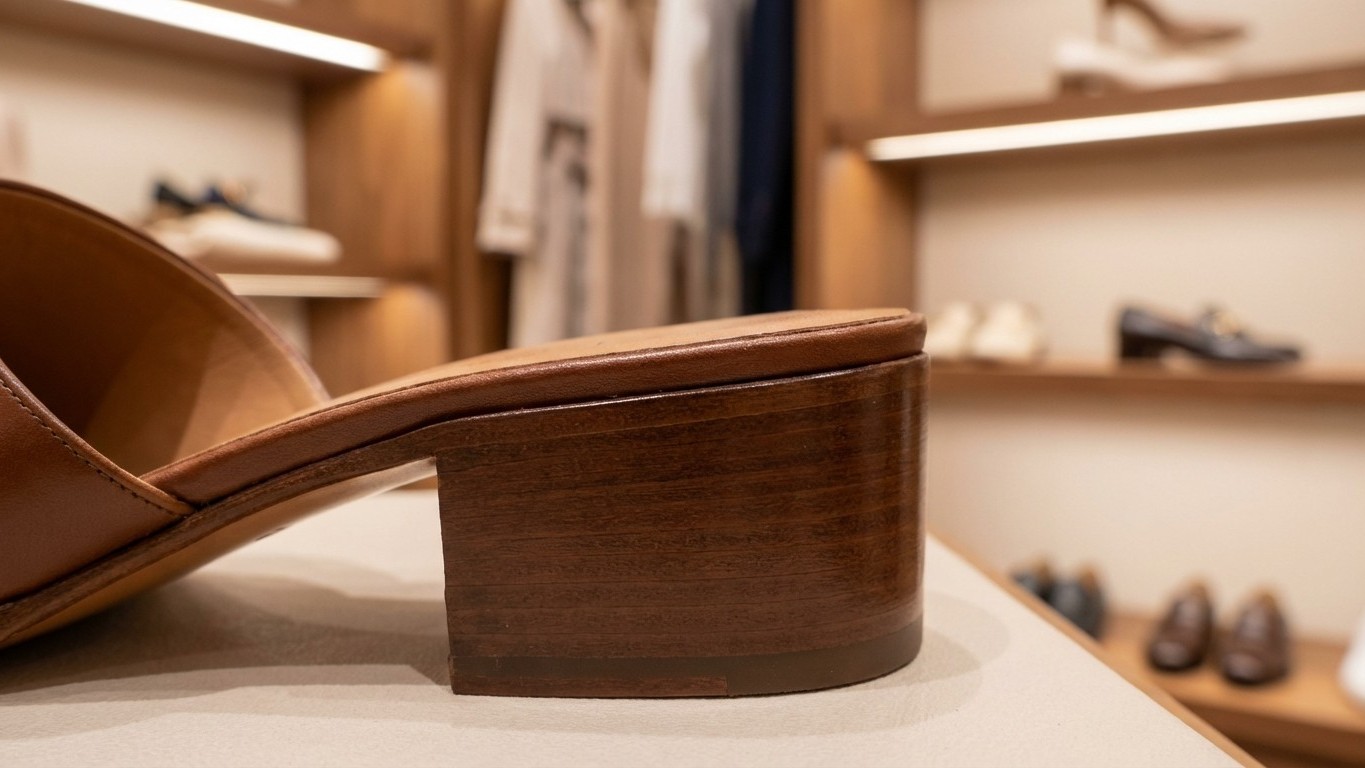
The glow of the boutique downlights, the leather’s intoxicating scent—there’s nothing quite like that hush before a new pair of shoes becomes truly yours. Slip your feet in, flex your toes, mirror a hopeful smile. Snug, but not too tight. Or so it seems. Fast forward two weeks, and the once-promising future of those leather shoes is overshadowed by a sharp, invisible saboteur: heel slip. That incurable, slinking shifting that turns every step into a micro-betrayal.
Frustratingly, I’d checked all the “rules.” Both feet measured, length consulted, arch supported. Yet, there it was—a slight lag between my heel and the insole. That imperceptible slide, getting steadily worse no matter how many wool socks or lacing tweaks I tried. Frankly, it’s the kind of flaw that makes you want to abandon careful shopping entirely and go barefoot.
Key takeaways
- The perfect shoe length isn’t enough—heel fit is the true secret.
- A tiny heel gap worsens over time, leading to blisters and damage.
- Trusted cobblers say to reject shoes if your heel lifts even once.
The Hidden Science of the Perfect Fit
The world will tell you it’s all about the length. Maybe the width, if you’re thorough. But leather shoes—especially those polished, grown-up, genuinely investment pairs—operate by subtly different laws. Give them an inch, and they’ll, quite literally, take a mile. That’s the paradox: leather lives, breathes, and stretches, but doesn’t always shrink back when you want it most.
Ask a celebrity cobbler—their advice always the same: the devil’s in the heel. Not the toe, not the arch. It’s the grip at the very back that determines not just comfort, but also longevity. A shoe that slips, even imperceptibly, begins a slow dance of sabotage: blistered skin, crushed confidence, collapsed structure. In Italy, where shoemaking is centuries-old theater, leather artisans will frown at any pair where the heel pulls away even a few millimeters. Because that gap only grows with time, heat, and humidity.
Here’s what most stores don’t mention—partly because it’s so easy to miss under spotlights and adrenaline: the moment you lift your foot, the heel should hug you back. Not a vice grip. Just—contact. Just enough to resist the urge to slip. Ignore this, and every other detail becomes moot: you’ve bought a beautiful liability.
The Illusion of Breaking In
We’re trained to expect a “break-in period.” This ritualized discomfort, romanticized in movies and idioms, is often just an alibi for a poorly chosen pair. Sure, high-quality leather will soften, mold, and age in symphony with your foot. But the heel-fit that starts with a slip—no matter how minor—almost never resolves itself with time. Quite the opposite. It worsens. The softening that makes your shoes feel like second skin up front can turn the rear into a loose sling.
I once asked a renowned Parisian shoe designer—one whose creations have graced runways—for her secret to the test drive. Her reply? “Walk in them as if you’re late for a train. If your heel lifts even once, put them back. Voilà—no regrets.” So much for optimism. This isn’t a Warning about fast fashion, but the secret vow that quality shoemakers and seasoned buyers share, whispered behind showroom curtains.
The Psychology of “Almost Perfect”
What’s striking is how easy it is to rationalize the nearly-right fit. The sales associate’s performative nod, the bouncy carpet beneath your feet, the mirror’s forgiving angles. Every subtle nudge convinces you these are the one. Maybe your feet are just tired. Maybe socks are the answer. Maybe, with time, it’ll all work out.
But a micro-gap at the heel is a harbinger—less annoyance, more cautionary tale. An Unexpected statistic: a survey by a global podiatry association found nearly 70% of respondents wear shoes at least half a size off their optimal fit. Repeat: seven out of ten faces pressed against designer glass, thinking they just need to “wear them in.” The result. Unseen blisters, ruined commutes, sadder wallets.
My “almost perfect” pair? They’re relegated to the back of the closet—monuments to all the rationalizations I offered myself in a moment of aesthetic weakness. A lesson, not an accessory.
The Fix: Trust the Heel
Is there redemption for a pair that slips? Sometimes—if you catch them before the damage sets. Premium insoles, non-slip heel grips, a bespoke tweak from a trusted cobbler. But these fixes are, at best, an epilogue. They work only when the original misfit is minor enough to mask. A significant gap, though, has no elegant solution; better to return the pair than to force a fit.
The real takeaway, however, is less about regret and more about recalibrating instinct. Try them on at the end of the day, when your feet are at their most honest. Walk, pivot, even jump, if the brand tolerates it. Bring the socks (or tights) you’ll actually wear. Don’t blink at a “little slip”—because by the third wear, it’ll be a yawning gap. Watch your own reflection as you walk—does your posture change to compensate for a wavering shoe? That, too, is a warning sign.
If you’re an online shopper—no shame, who isn’t—check return policies like a hawk and test the shoes on a clean, hard surface the minute they arrive. A shoe that fits in the Morning but loses grip after an hour? Back it goes, no matter the discount.
And perhaps the most subversive advice: accept that sometimes, the “right” size by the chart isn’t right for your unique feet. The smallest, subtlest variation—space in the heel—trumps all claims of universal sizing. A detail so easily dismissed, yet destined to quietly unravel any fantasy of owning the “perfect pair.”
So here’s the question that lingers, long after the nth pair is boxed and returned: if the foundation of comfort is so elusive, why do we keep chasing fashion’s mirage—and what new rules are waiting, quietly, for us to discover with every step?