
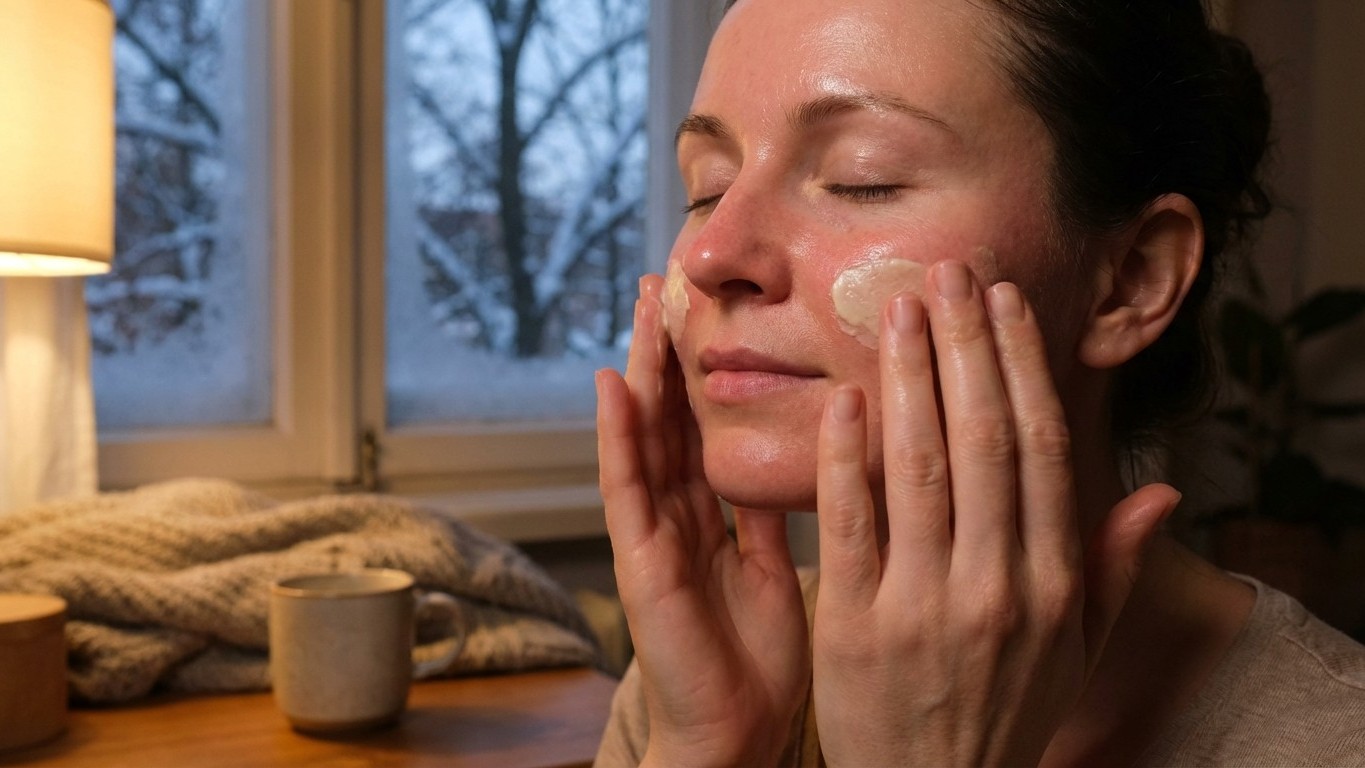
The first shock of winter is rarely visual. It’s tactile.
A tightness that shows up after the commute, a sting around the nostrils, knuckles that suddenly look like they belong to someone else. Outside, the air feels crisp and clean. Inside, the heating hums, and your skin starts behaving like a fabric left too long near a radiator. The result. Not “dry skin” in the casual sense, but a barrier that’s quietly negotiating survival.
That’s the angle I care about for a natural winter Routine-naturelle-en-climat-humide-limiter-brillance-et-pores-obstrues”>Routine-naturelle-du-plus-leger-au-plus-riche”>routine: not chasing glow, not stacking ten steps, but protecting the skin barrier so it can do its job. Because when that barrier is strong, Everything else gets easier, less redness, less itch, less reactive mood swings when you try a new product.
Why skin suffers in winter
Understanding the skin barrier and its role
Think of the outermost layer of skin as a wall. Skin cells are the “bricks,” and lipids, the fats and oils naturally present in the skin, act like the “mortar” that seals gaps and keeps water in. When the mortar is thin, water escapes more easily and irritants get in. This “leakiness” is exactly why weakened barrier skin tends to feel both dry and reactive. The brick-wall analogy is widely used by eczema organizations for a reason: it’s simple, and it’s accurate enough to guide daily choices.
Barrier function isn’t just a Comfort issue. When it’s compromised, skin can become more sensitive to friction, detergents, fragrance, wind, and even the “nice” natural extracts people assume are harmless. Sensitive skin isn’t always a skin type. Sometimes it’s just a barrier having a bad winter.
Cold air, wind, and indoor heating: the winter combo
Winter is a double exposure. Outdoors, cold air and wind tend to be drier, pulling water from the surface more quickly. Indoors, heated air often lacks humidity, and that dryness can make skin rough, cracked, and itchy. Dermatology guidance commonly recommends adding moisture back to the environment with a cool-mist humidifier and keeping showers warm rather than hot, because heat and hot water can worsen dryness.
Counter-intuition time: “More cleansing” doesn’t fix winter skin. It often makes it worse. When the air is dry, the strategy shifts from purity to protection. Minimal, gentle, and consistent wins.
Diagnosis: spotting a weakened skin barrier
Visible and sensory signs
Barrier damage isn’t always dramatic. It can be subtle and persistent, and it often shows up as a cluster of small annoyances rather than one big symptom:
- Tightness right after cleansing, even with “gentle” products
- Flaking around the mouth, nose, or eyebrows
- Stinging when you apply products that used to feel fine
- Red patches that come and go, especially after wind exposure
- Itch, sometimes worse at night, the classic winter “itch” pattern
- Cracking on hands, around cuticles, or at the corners of the mouth
When you see tightness plus sting, treat it like a signal. Skin is telling you it needs fewer variables and more sealing.
Sensitive, atopic, or simply dry?
These categories overlap, and winter blurs them. Dry skin can be seasonal and improve when humidity returns. “Sensitive skin” may be a baseline trait, but it’s also a common outcome of barrier disruption. Atopic skin (eczema-prone) is different: the barrier tends to be less effective at retaining water and blocking irritants, and it can flare more easily. Eczema organizations emphasize gentle bathing, using mild non-soap cleansers, and moisturizing soon after washing to support barrier repair.
If you have frequent flares, open cracks, or signs of infection (oozing, crusting, increasing pain), DIY is not the vibe. That’s dermatologist territory.
Winter natural skincare routine: key principles
Non-negotiable steps and the right order
A winter routine doesn’t need to be long. It needs to be correctly sequenced. In practice, you’re building a hydration-and-seal system:
- Cleanse (gentle, low-foaming or non-foaming)
- Hydrate (water-based step if your skin tolerates it)
- Moisturize (cream Texture is often better than a lotion in winter)
- Seal (targeted balm/occlusive on vulnerable zones)
- Protect (sunscreen during the day, yes, even in winter)
Dermatology advice repeatedly comes back to one unsexy habit: apply moisturizer soon after washing. On slightly damp skin, moisturizers help trap water already present. Creams and ointments tend to be more effective than lotions for very dry winter skin.
Winter layering, without turning your bathroom into a lab
Layering is useful when it’s functional. In winter, the sweet spot is usually two layers, sometimes three. A light hydrating layer can reduce tightness, then a richer layer supplies lipids, and a final seal reduces water loss in windy or overheated conditions.
Franchement, this is the kind of trend that gets misread as “more steps.” It’s not. It’s smarter steps.
If your routine pills, stings, or feels sticky, it’s not a moral failure. It’s usually too many films on the skin, or incompatible textures. Reduce, then rebuild.
For a broader framework that helps you adjust by season without starting from scratch, connect this page to the internal hub: natural skincare routine for winter.
Natural ingredients that protect the skin barrier
Plant oils: which ones to prioritize, and why
In winter, plant oils earn their place when they do one thing well: soften roughness and reduce that papery tightness by reinforcing the lipid side of moisture. Oils are mainly emollient, they smooth and fill micro-gaps, and some can feel lightly occlusive depending on their profile.
Rather than promising miracles from a specific oil, I prefer a practical rule: choose oils that feel stable, comfortable, and non-fragranced on your skin. Patch-test like your future calm depends on it, because it does.
- Squalane: not a plant “oil” in the traditional kitchen sense, but a widely used emollient that mimics a component of natural skin lipids (squalene) and tends to be well tolerated. It’s popular for winter because it feels lighter than many oils while still supporting comfort.
- Jojoba-like profiles: oils that feel close to sebum texture can be easier for combination or blemish-prone skin in winter, when you still need barrier support but hate greasiness.
- Gentle, low-odor oils: if an oil smells strong, it can be a sensory delight, but fragrance is a frequent irritant trigger when the barrier is compromised.
One more counter-intuitive point: very dry air can make purely humectant-heavy routines feel tight again unless you follow with a solid emollient and, if needed, an occlusive seal. Hydration alone evaporates. Winter is evaporation season.
Natural butters and protective waxes
Butters and waxes are Winter’s outerwear. They sit on the skin longer, reduce friction, and create a protective film. That’s why rich textures often feel “too much” in August and feel like relief in January.
- Shea butter: widely used as a rich emollient, especially appreciated for very dry areas (hands, elbows).
- Beeswax (or plant wax alternatives): adds structure to balms and helps form a protective layer, useful for windburn-prone zones.
- Oat-based comfort: colloidal oatmeal is recognized in the U.S. as an OTC skin protectant active ingredient, and clinical research in atopic dermatitis populations has shown improvements in skin barrier measures and hydration with topical colloidal oat formulations.
Natural doesn’t automatically mean gentle. Essential oils, strong botanical extracts, and heavily scented balms can be exactly what your winter barrier doesn’t want.
Simple DIY formulations you can make at home
Home mixing should stay boring. Boring is safe. Keep it anhydrous (oil/butter-based) if you’re not using a preservative, because water-based DIY products can spoil quickly.
- Wind-shield balm (anhydrous): a blend of a soft butter plus a small amount of wax for structure. Use sparingly on cheekbones, around the mouth, and on hands before going outside.
- Overnight “seal” for cracked zones: a minimal balm texture applied as the last step on areas that crack (knuckles, around the nose). The goal is reducing overnight water loss and friction from sheets.
- Oat soak (bath or compress): colloidal oatmeal added to lukewarm water, then moisturize immediately after. This is especially relevant if you’re itch-prone.
If you’re eczema-prone, follow the medical guidance you’ve been given. A DIY balm can support comfort, but it doesn’t replace targeted treatment for flares.
What to avoid in winter (even if it’s “clean beauty”)
Over-cleansing and exfoliation: do’s and don’ts
Winter makes people panic-clean. Hot showers, harsh soaps, and aggressive exfoliation feel productive. They often backfire.
- Keep showers shorter and warm, not hot.
- Use gentle, fragrance-free cleansers, especially on the face and hands.
- Exfoliate less often in winter, and keep it mild. If your skin stings, pause exfoliation entirely until comfort returns.
Dermatology organizations consistently recommend gentle cleansing and moisturizing right after washing to protect against winter dryness, and they often advise creams or ointments over lotions when skin is very dry.
Common mistakes with natural cosmetics
- Essential oils as “treatment”: a sensitized winter barrier can react to them, even if you loved them in summer.
- DIY water-based products without preservation: contamination risk rises fast.
- Switching too many things at once: winter irritation makes it hard to tell what caused what.
- Skipping sunscreen: winter UV still matters, and snow can reflect UV radiation, increasing exposure in bright conditions.
A winter routine template: morning to night
Morning routine: protection and a natural “shield”
Morning is about leaving the house with a barrier that’s dressed for the weather.
- Cleanse lightly: rinse with lukewarm water or use a very gentle cleanser if you wake up oily or if you used a heavy occlusive at night.
- Hydrate: a simple, low-irritant hydration step if your skin tolerates it.
- Moisturize: a cream texture is often more comfortable than a lotion in winter.
- Seal vulnerable zones: a tiny amount of balm on cheeks, around the mouth, and hands if you’re going into wind.
- Sunscreen: daily. Winter sun still ages, and reflection off snow can increase exposure.
Evening routine: repair and support
Night is where you simplify and let the barrier rebuild.
- Cleanse: remove sunscreen. If you wore makeup, consider a gentle first cleanse, then a mild second cleanse only if needed.
- Moisturize generously: apply soon after washing while skin is slightly damp.
- Targeted seal: use an occlusive layer on cracked or inflamed areas to reduce water loss overnight.
Eczema organizations often recommend bathing or soaking in lukewarm water and moisturizing soon after, the timing matters because it helps retain the water you just added.
One simple winter routine example
If you want a minimalist plan that still respects barrier biology:
- AM: gentle cleanse (or rinse) → cream moisturizer → sunscreen → micro-balm on wind zones
- PM: gentle cleanse → cream moisturizer on damp skin → balm on lips, nostrils, hands
That’s it. The “glow” comes back when irritation goes down, not when steps go up.
Adjusting your winter routine by skin type
Oily skin in winter: yes, you still need barrier care
Oily skin can be dehydrated, especially in heated indoor air. If you over-strip, your skin may feel tight while still producing oil, an uncomfortable combo. Keep cleansing gentle, use a lighter moisturizing layer, and reserve heavier sealing products for specific zones (around the mouth, under the nose, hands).
Dry skin: prioritize creams and sealing
Dry winter skin usually responds best to richer textures. Apply moisturizers on damp skin, consider a thicker cream at night, and use a balm as a final step on areas that crack. Gloves and scarves are skincare too, because they reduce wind exposure and friction.
Combination skin: treat zones like different climates
Combination skin often fails in winter because people choose one texture for the whole face. Try a lighter layer in the T-zone and a richer layer on cheeks. Add a micro-seal only where you need it. It’s less product overall, just placed better.
Seasonal gestures and ingredients that make sense
- Humidifier at night: dermatology guidance often points to adding moisture to indoor air to help prevent rough, cracked skin.
- Fabric choices: soft layers (cotton, silk blends) can reduce irritation compared to scratchy fibers for reactive skin.
- Oat-based soothing: colloidal oatmeal is recognized as a skin protectant and has clinical evidence supporting barrier-related improvements in eczema-prone contexts.
To keep your routine coherent across the year, link this winter approach with your seasonal counterparts: natural skincare routine for summer and natural skincare routine for humid climate. For a wider checklist of steps and common pitfalls, connect it to natural skincare routine skin care tips.
FAQ: winter natural skincare routine
How do I protect my skin naturally from winter cold?
Start with protection, not treatment: gentle cleansing, moisturize right after washing, use a richer cream in winter, and seal exposed zones with a simple balm before going outdoors. Add indoor humidity when heating dries the air, and avoid hot showers that worsen dryness.
Which natural ingredients help prevent winter dryness the most?
Look for barrier-friendly textures: plant oils that feel comfortable on your skin, richer butters for rough patches, and oat-based soothing for itch-prone periods. Colloidal oatmeal is recognized in the U.S. as a skin protectant ingredient, and it’s often used when skin is irritated or eczema-prone.
How do I adapt my natural routine to my skin’s needs in winter?
Adjust texture and placement. Oily skin usually needs lighter layers and targeted sealing. Dry skin often needs creams and a balm at night. Combination skin benefits from zoning: lighter on the T-zone, richer on cheeks. If products sting, scale back actives and fragrance, then rebuild slowly.
What should I avoid so I don’t worsen winter irritation?
Skip harsh soaps, long hot showers, aggressive exfoliation, and heavily fragranced “natural” products. Avoid changing multiple products at once. If skin is cracking or inflamed, focus on gentle cleansing, quick moisturization after washing, and a protective seal on the worst zones.
Conclusion
Winter skincare, done well, is almost minimalist: fewer steps, calmer formulas, better timing, and a protective finish where it counts. If you want to make this routine stick, pick one change you can keep for two weeks, moisturizing right after cleansing, adding a nightly seal on chapped zones, or improving bedroom humidity, and let your barrier do the rest.
Once your skin stops bracing itself every time the wind hits, what would you do with all that reclaimed mental space: add a new “active,” or Finally enjoy the simplicity of a routine that feels like cashmere on contact?