
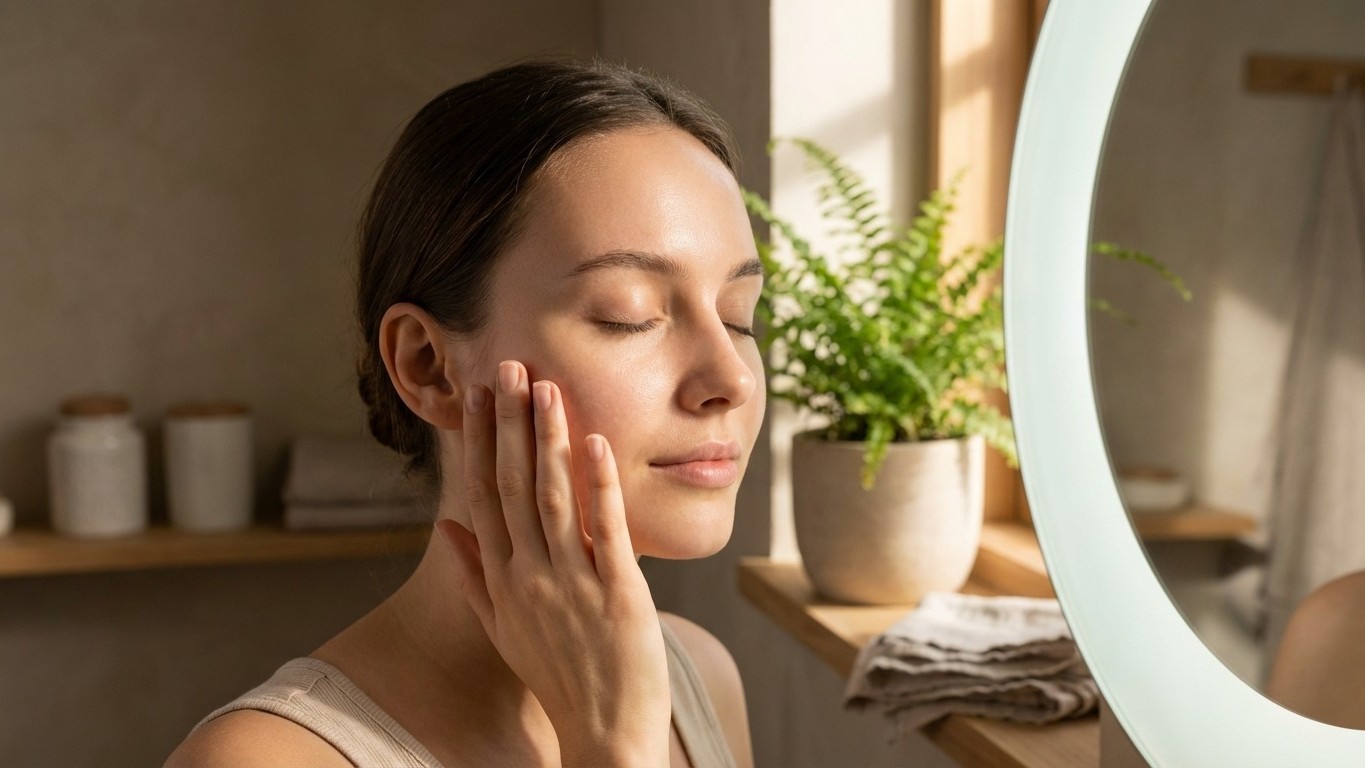
The mirror catches the light, and suddenly your cheeks look like velvet… until they don’t. A tiny constellation of dots around the nose, a slightly “orange-peel” texture on the inner cheeks, a shine that seems to settle exactly where you’d rather it didn’t. Pores. Not a flaw, not a failure, just a very human feature that becomes more visible when oil, dead skin, dehydration, and time start playing tug-of-war on the surface.
If you’re here for a miracle, I’ll disappoint you quickly, and kindly. Pores can’t be “closed” or erased. They are openings of hair follicles and oil glands, and they don’t have little doors that swing shut. The goal is visual: making them look tighter, cleaner, calmer, more even with the rest of your skin texture. The result. Better light reflection. Less shadowing. A smoother feel under sunscreen and makeup.
This page focuses on natural strategies, the kind you can actually keep doing in February 2026 without burning out your skin barrier or chasing a new bottle every week. Gentle cleansing, smart exfoliation, non-comedogenic hydration, and a few plant-based “astringent” allies, used with restraint. Franchement, it’s the kind of Routine that works because it’s boring enough to be consistent.
Understanding the appearance of pores: myths and realities
Why do we have visible pores?
Pores become noticeable for a few repeatable reasons: they’re filled, they’re surrounded by swollen or thickened skin, or the support structure around them has loosened. Genetics sets the baseline, but day-to-day life decides whether you see them more on Monday Morning or less after a few steady weeks of routine.
Two mechanisms matter most in practice:
- Clogging and oxidation: sebum plus dead skin can sit in the opening, creating blackheads or micro-plugs that stretch the look of the pore.
- Loss of elasticity: when skin is less springy, pores can look more “elongated,” especially on cheeks. Research has linked visible pore appearance with sebum levels and skin mechanical properties (elasticity-related measures). pubmed.ncbi.nlm.nih.gov
Counter-intuition, the one people hate hearing: oily skin isn’t the only skin type with visible pores. Dehydrated skin can reflect light unevenly and show texture more, and mature skin can display pores differently because of changes in firmness and elasticity. Pores aren’t just an “oil problem,” they’re a texture-and-support problem too.
Internal and external factors that influence pores
Think of pore visibility as a mix of what’s happening inside the follicle and what’s happening around it.
- Internal: sebum production (often higher in T-zone), hormones, inflammatory tendencies, acne history.
- External: UV exposure (photoaging), harsh cleansing, over-exfoliation, comedogenic textures, pollution particles that settle into oil, and even the way makeup is removed.
One myth worth retiring: water temperature doesn’t “open” or “close” pores. Warm water can soften oils and make cleansing feel easier, and cold can temporarily constrict blood vessels so skin looks tighter for a moment, but it doesn’t permanently change pore size. yahoo.com
Natural skin care tips to reduce the appearance of pores
If you take only one idea from this page, let it be this: pores look smaller when the skin around them is calm, hydrated, and regularly decongested without being stripped. The routine is the treatment.
Gentle cleansing: prevent buildup without stripping
The cleansing sweet spot is simple: remove oil, sunscreen, makeup, and particles without triggering rebound oiliness or irritation. Hot water and aggressive scrubs often backfire by weakening the barrier and increasing redness and texture. yahoo.com
Natural-leaning, pore-friendly cleansing habits:
- Evening cleansing matters more than morning: that’s when you remove sunscreen and urban residue. If you wear heavy sunscreen or makeup, consider a gentle “double cleanse” approach, first with a mild oil-based cleanser (or a very simple cleansing balm), then a low-foaming cleanser.
- Lukewarm water: comfortable, not steaming. Your skin should not look flushed when you’re done.
- Short contact time: massage for 20–40 seconds, rinse well, pat dry. No towel friction as a sport.
Franchement, the most “natural” cleansing tip is restraint. Skin that feels squeaky often becomes shinier later because it’s trying to compensate.
Natural exfoliation: frequency, techniques, and mistakes to avoid
Exfoliation is where pore routines either glow… or go off the rails. Overdoing it can inflame the follicle opening and make texture look worse, especially if you stack acids, scrubs, and masks like a weekend hobby.
Gentle exfoliation supports pore appearance by keeping dead cells from building up around the opening and by reducing the chance of micro-clogs. In natural routines, you’re usually choosing between:
- Soft physical exfoliation: very fine, non-scratchy textures used sparingly, never on inflamed acne.
- Biocompatible “natural-origin” acids: lactic acid (often fermentation-derived), gluconolactone (PHA), or fruit-derived acids, used carefully because “natural” can still irritate.
- Enzyme exfoliation: papain or bromelain masks can be gentler for some people, but they still require patch testing.
Frequency guidelines that tend to keep skin stable:
- Oily, resilient skin: 2 times per week, then reassess after 3–4 weeks.
- Combination or normal skin: 1–2 times per week.
- Sensitive or reactive skin: once every 7–10 days, or skip and focus on barrier support.
Mistakes that enlarge the look of pores over time:
- Scrubbing with gritty particles (especially walnut shell-type textures).
- Layering multiple exfoliants “because it’s natural so it’s fine.”
- Exfoliating right after sun exposure or when the skin is already irritated.
Hydration: lightweight plant oils and natural alternatives
Here’s the twist many people miss: dehydrated skin can look more textured, which makes pores more obvious under certain lighting. Hydration, done in a pore-friendly way, improves the way light hits your face.
If you like plant oils, go light. Not all oils behave the same, and some are more likely to feel heavy or contribute to congestion depending on the person. Also, “non-comedogenic” claims aren’t regulated in a way that guarantees anything, so your skin’s response matters more than the label. acne.org
Natural-leaning hydration options that usually sit well on pore-visible skin:
- Humectants (often naturally derived): glycerin, hyaluronic acid (bio-fermentation), aloe vera gel, panthenol (often used in “clean” formulas).
- Light oils: squalane (commonly sugarcane-derived), grapeseed oil, hemp seed oil, rosehip oil, used as 1–3 drops, not a facial glaze.
- Barrier helpers: simple creams with ceramides or oat fractions can still align with a natural routine if the formula is minimal and your skin tolerates it.
What to watch if you’re pore-prone: heavy occlusives layered thickly, and rich butters on the T-zone. Some ingredients can clog pores for some people, and a lot depends on the full formula and how you use it. instyle.com
DIY masks that make a difference (clay, honey, aloe vera)
DIY is where lifestyle meets skincare, like cooking a broth you actually want to sip. But keep it controlled: clean tools, fresh mixtures, short wear time, and no kitchen chemistry experiments with citrus juice.
- Clay masks (kaolin, bentonite): useful for oil and congestion, especially on nose and inner cheeks. Apply a thin layer and remove before it fully cracks. Over-drying can trigger rebound oiliness.
- Honey (especially medical-grade manuka in products, or simple honey at home): humectant feel, gentle comfort. Patch test if you’re reactive.
- Aloe vera gel: soothing hydration, helpful when you’re balancing exfoliation with barrier calm.
A practical rhythm that suits many skins: clay once weekly on the T-zone only, and aloe-based hydration whenever skin feels tight or looks textured.
Building a natural, “anti-pore” routine that fits your skin
The goal here is a routine you can keep for months, not a 10-step ceremony that collapses the moment you travel. Minimalism isn’t a vibe, it’s a compliance strategy.
Key steps of a minimalist routine
Morning
- Gentle cleanse, or just rinse if you’re dry or sensitive.
- Light hydration (glycerin/aloe-based).
- Daily sunscreen. UV damage contributes to texture changes over time, and anything that worsens texture tends to spotlight pores.
Evening
- Thorough cleanse, especially if you wore sunscreen or makeup.
- Exfoliation 1–2 nights per week, not every night.
- Hydration plus, if needed, a few drops of a lightweight oil pressed onto cheeks, not rubbed aggressively into the nose.
One small habit That Changes Everything: give each step time. Apply hydration to slightly damp skin, then wait a minute. Rushing tends to lead to over-application, and over-application tends to lead to congestion.
Natural ingredients to prioritize (and which to avoid)
When people ask, “What natural ingredients really tighten pores?”, what they often mean is: what reduces oil shine, micro-clogs, and the look of roughness.
- Clay (kaolin/bentonite): oil-absorbing support, best used weekly.
- Green tea: antioxidant comfort, and often used in formulas for oily-prone skin.
- Witch hazel: can feel astringent; choose alcohol-free versions if you try it, and stop if you feel tightness or stinging.
- Niacinamide (often compatible with “natural-ish” routines): can help with oil appearance and barrier support for some people.
- Aloe vera: calming hydration, useful after exfoliation.
Ingredients and practices that often cause “pore panic”:
- Alcohol-heavy toners: temporary matte effect, then irritation and rebound shine for many skins.
- DIY lemon juice or baking soda: uneven pH, irritation risk, and the kind of damage that leaves texture looking rougher.
- Heavy coconut oil on pore-prone areas: plenty of people love it for body, fewer love it for congested T-zones.
Keep expectations honest: pores can look smaller, not vanish. When you see claims that they “close,” treat them like a rom-com plot twist.
Lifestyle tips and frequent mistakes to avoid
Food, stress, and environment
Diet doesn’t directly “change pore size,” but it can influence oil production and inflammation, which influence how pores look. Dermatology sources have discussed a possible connection between high-glycemic diets and acne in some people, and acne and congestion can make pores look more prominent. Evidence is not uniform, but enough people notice a difference to justify a gentle experiment: fewer high-GI spikes, more steady meals. aad.org
Stress is the quieter player. It nudges hormones and habits, more touching your face, more picking, less sleep. The skin reflects that, quickly.
Environment matters too: pollution particles can bind to sebum. The “natural” response isn’t harsher cleansing, it’s consistent cleansing and barrier support so skin isn’t inflamed and sticky.
What doesn’t work, or makes pores look worse
- Ice water as a pore solution: it can briefly make skin look tighter, but it doesn’t shrink pores, and cold water may cleanse less effectively for some routines. yahoo.com
- Over-exfoliating: a damaged barrier looks textured and shiny in the wrong places.
- Sleeping in sunscreen or makeup: predictable congestion, predictable “why do my pores look huge?” week.
- Pore strips too often: satisfying, yes. Long-term calming and texture improvement, not so much for many skins.
One more counter-intuition: chasing “dry matte” skin often increases visible texture. When skin is balanced, it reflects light more evenly, and pores blend back into the background.
Quick FAQ: sorting truth from fiction
Which natural ingredients are really effective for tightening pores?
No natural ingredient permanently tightens pores. What works is reducing oil buildup and smoothing texture. Clay masks can help reduce shine and congestion; aloe can calm; green tea and gentle antioxidant botanicals can support a less inflamed surface. Witch hazel can feel tightening, but alcohol-free is safer, and not everyone tolerates it.
How do I adopt a minimalist routine to reduce pore appearance?
Stick to: gentle cleanse (especially at night), light hydration, sunscreen daily, and one controlled exfoliation step 1–2 times weekly. Add a weekly clay mask on the T-zone if oil is a major issue. Consistency for 4–8 weeks usually tells you more than changing products every 5 days.
Does diet impact pore size?
Not pore size in a structural sense, but diet may influence acne and oiliness for some people, which affects how pores look. Low-glycemic eating patterns have been associated with acne improvements in some studies and discussions in dermatology education materials. aad.org
Does cold water or ice really shrink pores naturally?
Cold can temporarily constrict blood vessels and make skin look tighter for a short time, but it doesn’t change pore size. Warm water can help loosen oils for cleansing, but very hot water can irritate and dry the skin, which can make texture look worse. yahoo.com
Complementary resources and sister-page links
If your visible pores come with breakouts, congestion, or post-acne texture, you’ll get better results by treating the whole pattern rather than isolating one symptom. For broader troubleshooting, see natural skin care tips for acne and also natural skin care tips for acne, especially if blackheads and inflammation are part of your pore story.
If what bothers you is “pores plus marks,” that mix of texture and uneven tone often needs a slightly different pacing and more patience. The sister resource natural skincare tips for dark spots can help you avoid the classic mistake of over-exfoliating in the name of faster fading.
For a step-by-step backbone you can adapt to any skin type, keep natural skincare routine skin care tips nearby. A routine that looks boring on paper often looks best on skin.
Where to start today
Tonight, do the unglamorous thing: cleanse gently and thoroughly, then moisturize lightly while skin is still slightly damp. Pick one day this week for a clay mask on the T-zone, and one day for gentle exfoliation, no stacking. Take a photo in the same light now, and again in four weeks. Not for obsession, for clarity.
If your pores could talk, would they ask for one more “tightening” trick, or would they ask for fewer experiments and a calmer, steadier rhythm?