
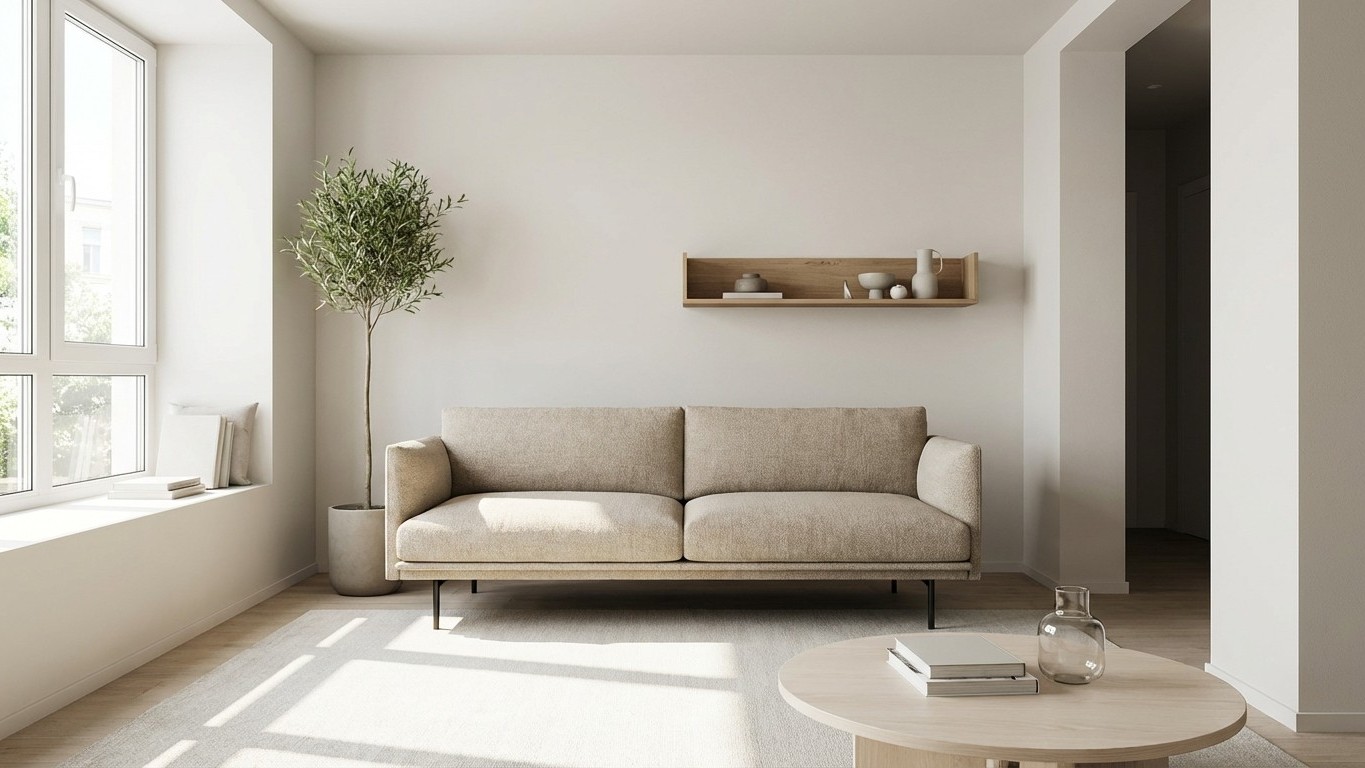
When Sarah swapped her bulky sectional for a sleek low-profile sofa, she couldn’t believe her eyes. Her cramped 200-square-foot living room suddenly felt spacious, airy, and completely transformed. The secret wasn’t the color, the fabric, or even the size—it was something far more subtle that most homeowners completely ignore when furniture shopping.
The Visual Height Revolution
The game-changing criterion that Sarah discovered is visual height—specifically, how low your sofa sits relative to your room’s proportions. While Most People obsess over whether a sofa will physically fit through their door or match their existing décor, they overlook how the furniture’s profile affects the perceived dimensions of their space.
Low-profile sofas create an optical illusion that interior designers have leveraged for decades. By keeping the seat height closer to the ground—typically between 14 to 17 inches rather than the standard 18 to 20 inches—these pieces allow more wall space to remain visible above the furniture line. This uninterrupted vertical expanse tricks the eye into perceiving greater ceiling height and overall room volume.
The psychology behind this phenomenon relates to how our brains process spatial relationships. When furniture sits lower, it creates horizontal emphasis that makes rooms feel wider and longer. Simultaneously, the increased amount of visible wall space above the sofa back draws the eye upward, creating the illusion of taller ceilings. This dual effect can make even the smallest living spaces feel dramatically more expansive.
Beyond Height: The Complete Low-Profile Strategy
choosing a lower sofa is just the beginning of maximizing your small living room’s potential. The most effective pieces combine reduced height with slender arms and minimal bulk. Sofas with track arms or no arms at all eliminate visual weight that can make furniture appear to consume more space than it Actually-solid”>Actually-works”>actually occupies.
Leg design plays an equally Crucial role in this spatial magic. Sofas raised on thin, exposed legs create negative space underneath that allows light to flow through and around the piece. This transparency effect makes the furniture appear to float rather than anchor heavily to the Floor. Even a few inches of visible floor space beneath your sofa can significantly impact how spacious your room feels.
Material choices amplify these benefits further. Light-colored upholstery reflects more natural light, contributing to the airy atmosphere that low-profile furniture creates. However, even darker fabrics can work beautifully when the silhouette remains sleek and unobtrusive. The key is maintaining clean lines that don’t compete with your room’s architectural features.
The Styling Secrets That Complete the Transformation
Once you’ve selected the right low-profile sofa, strategic styling can enhance the spacious feeling even more. Positioning your sofa away from walls, even by just a few inches, creates breathing room that makes both the furniture And the room feel less cramped. This technique works particularly well in studio apartments or open-plan spaces where every square foot counts.
Coffee table selection becomes critical when working with lower seating. Choose pieces that maintain the horizontal emphasis—low, streamlined tables that don’t obstruct sight lines across the room. Glass or acrylic options virtually disappear, preserving the open feeling you’ve worked to create. Alternatively, nesting tables that can be tucked away when not needed offer flexibility Without permanent visual weight.
Lighting placement takes on new importance with lower furniture arrangements. Table lamps positioned on side tables or consoles should be proportioned to work harmoniously with your sofa’s reduced height. Floor lamps can provide ambient lighting while drawing attention upward, further emphasizing the vertical space you’ve gained.
Making the Switch: Practical Considerations
Transitioning to a low-profile sofa does require some adjustment, particularly regarding comfort and functionality. Lower seating changes-everything”>changes how you interact with your living space—getting up and down requires slightly different movements, and the viewing angles for wall-mounted televisions may need recalibration.
However, these minor adaptations pale in comparison to the dramatic spatial benefits. Many people discover that lower seating actually feels more relaxed and informal, encouraging a laid-back lifestyle that suits smaller, cozier homes perfectly. The key is ensuring adequate back support and cushion depth to maintain comfort despite the reduced height.
Storage solutions may need rethinking as well. Traditional coffee tables with lower shelves might no longer be accessible from a shorter sofa. Consider wall-mounted storage, floating shelves, or ottoman-style pieces that can serve double duty as both seating and storage without overwhelming your newly spacious-feeling room.
The transformation that Sarah experienced isn’t unique—it’s a predictable result of understanding how furniture proportions affect spatial perception. By prioritizing visual height over conventional furniture standards, you can achieve the same dramatic impact in your own small living space. The next time you’re furniture shopping, look beyond the obvious features and consider how each piece will contribute to or detract from your room’s sense of openness. Sometimes the most powerful design changes come from the details that seem invisible at first glance.