
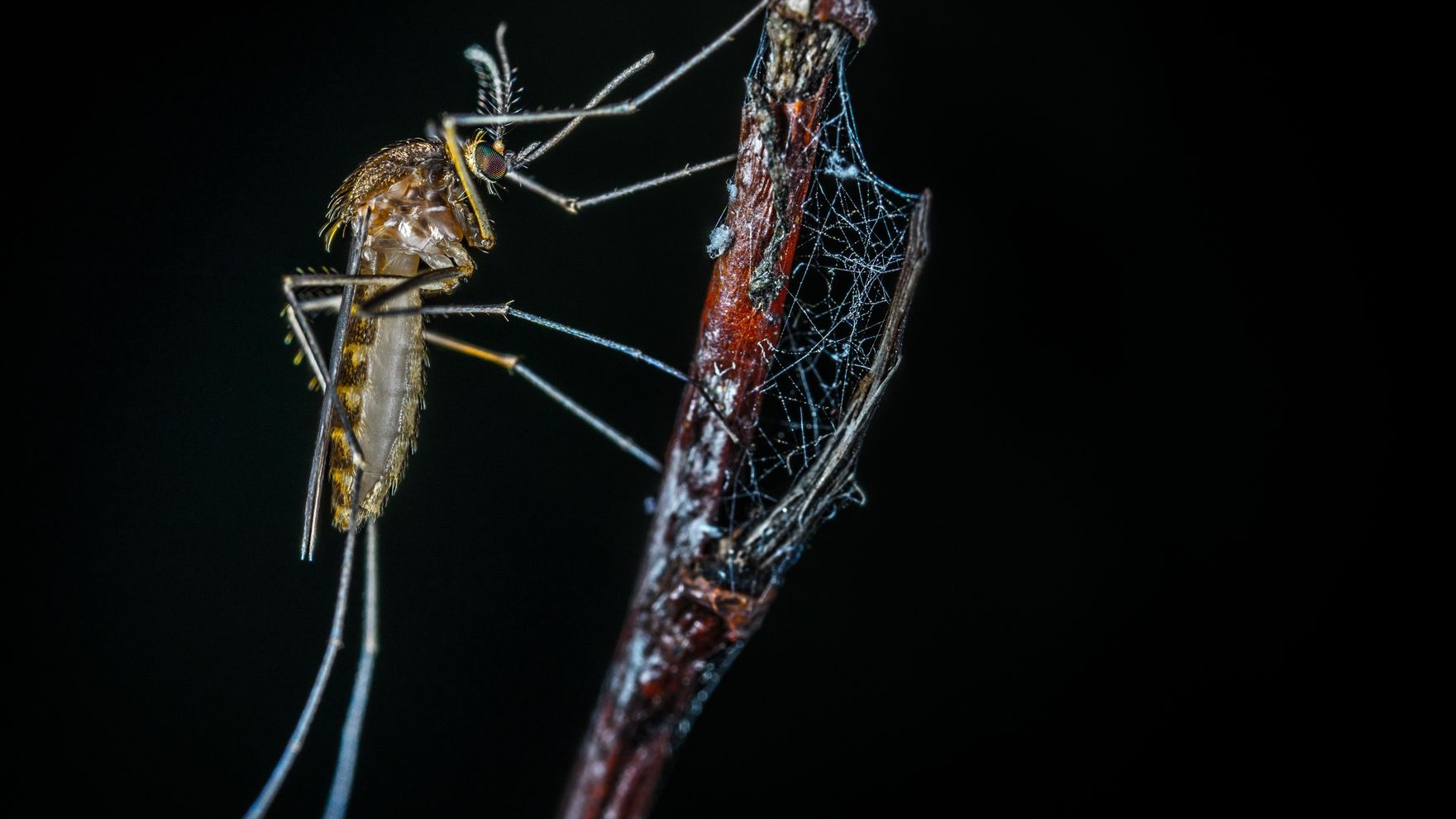
Six weeks into summer, I finally did what I should have done from day one: I looked inside the collection tray of my terrace bug zapper. Not a mosquito in sight. Just a graveyard of moths, small beetles, and what I later learned were likely midges, the tiny aquatic insects that feed everything from bats to trout. That single glance at the tray is what killed my faith in the device, not the mosquitoes buzzing past my ankles that same evening.
The purchase had made sense on paper. A UV bulb, a metal grid, that satisfying electric snap every few minutes suggesting the machine was earning its keep. Franchement, it’s the kind of gadget that sells itself on sound alone, the zap becomes a proxy for progress, even when nothing useful is actually happening.
Key takeaways
- A summer tradition hides a dark secret about what’s actually being killed inside
- Scientific studies reveal mosquitoes barely respond to UV light, but thousands of beneficial insects do
- By removing natural predators, these devices may actually increase mosquito populations
The Science Was There All Along, I Just Didn’t Look
Turns out entomologists settled this question decades ago. Timothy Frick and Douglas Tallamy from the University of Delaware checked through 14,000 insects killed in six zappers in different spots around Newark, Delaware, and found that only 31 were biting gnats or mosquitoes — that’s less than one-quarter of one percent. A separate one-night test at the University of Florida’s medical entomology lab produced an even starker snapshot: tests show that thousands of beneficial insects, not mosquitoes, are the main victims of the electric devices. Out of some 10,000 insects destroyed by one bug zapper during a one-night test period, only eight were mosquitoes.
The reason is almost embarrassingly simple once you know it. Moths, beetles, mayflies, and midges are strongly drawn to UV light. Mosquitoes, however, are only weakly phototropic. Female mosquitoes, the ones actually biting you, hunt using an entirely different toolkit. Female mosquitoes (the mosquitoes who bite us) are hardwired to sense the attractive signals that our bodies emit. They do not care about zapper lights. When we exhale, we emit CO2, which a female mosquito can detect from far away. A UV bulb glowing on a terrace railing simply isn’t part of their sensory world.
What My Tray Actually Told Me
Scale that Delaware finding up, and the numbers get uncomfortable. Jonathan Day, associate professor of entomology with the University of Florida’s Institute of Food and Agricultural Sciences, estimates 71 billion nontarget insects are zapped by these devices across the nation every year. Most of them aren’t nuisances at all. Most are beneficial beetles, moths, ants and midges along with parasitic wasps that control other insect pests.
Moths, in particular, deserve more credit than we give them. A 2018 University of York study found they quietly supplement the pollination work bees do during daylight hours, visiting flowers bees never reach after dark. Midges, meanwhile, aren’t just filler species. Less than one fourth of one percent of insects killed by traps and zappers are biting insects, and nearly 50% have been found to be beneficial non-biting aquatic insects such as caddis flies and midges that feed fish, frogs, birds and bats. Another chunk of the casualties are the very predators mosquitoes should fear. Another 14 percent have been found to be insects that actually attack pests, including wasps, ground beetles and ladybugs.
That’s the contre-intuitive part nobody mentions on the packaging. A device sold as mosquito control is, statistically, a predator-removal machine, and predators are exactly what keep mosquito populations in check naturally.
The Boomerang Effect Nobody Warns You About
Harvard Medical School has been blunt about this on its own Zika virus resource page, warning against buying one because “Don’t buy a bug zapper. Studies have shown that these do not reduce mosquito bites, and may actually increase mosquito populations by killing off beneficial insects that prey on mosquitoes.” An entomologist quoted by a North Carolina news outlet made the same point in plainer terms, noting that if zappers actually worked against mosquitoes, the constant hatching cycle would mean the trap stays perpetually busy, not quiet.
There’s also a less glamorous concern I hadn’t considered before scrolling through pest-control literature: what happens to the pulverized insect remains. Some research groups have flagged that the fine particulate blasted out by the electrocution grid, insect fragments and bacteria included, can drift onto nearby surfaces, including outdoor dining tables. Not exactly the ambiance I was going for on a terrace where we eat dinner most nights in July.
What Actually Sits on My Terrace Now
I didn’t just unplug the zapper and accept defeat to mosquitoes. I swapped strategy entirely, toward attractants that mimic what mosquitoes are actually hunting for: carbon dioxide, heat, human scent. Devices built around those cues, sometimes paired with octenol, work with mosquito biology instead of against it. For smaller patios, a butane-powered repellent device creates a scent barrier around the seating area rather than trying to lure and kill every insect in the yard. For standing water nearby, whether it’s a rain barrel or a neglected saucer under a planter, mosquito dunks containing Bti (a naturally occurring bacterium) stop larvae before they ever take flight.
None of it has the theatrical snap-crackle of the old zapper. But my terrace still has moths drifting past the string lights at dusk, which, I’ve come to realize, was always the point of leaving them alive in the first place.
Sources : sciencedaily.com | wowcatch.com