
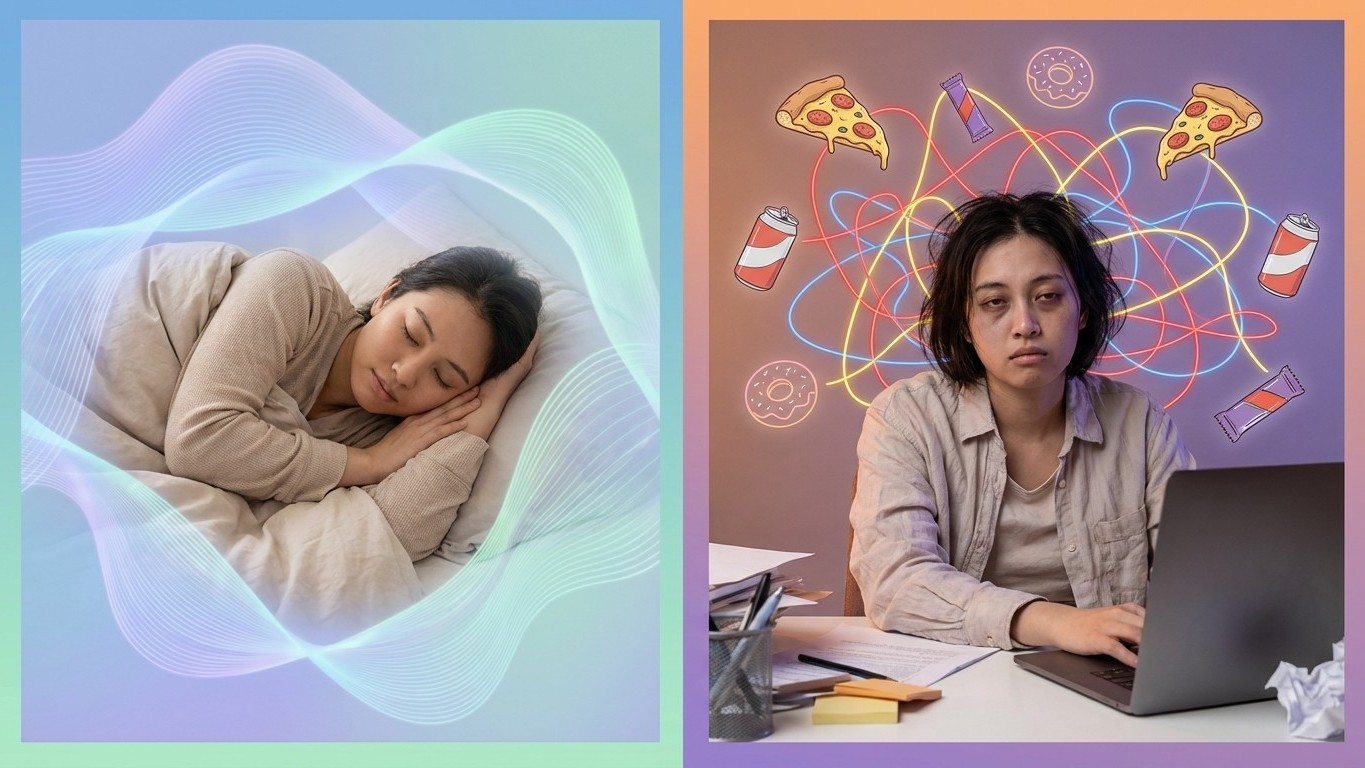
Marie Thought-i-was-drinking-enough-water-hidden-body-signs-almost-no-one-links-to-dehydration”>Thought she lacked willpower. Every afternoon, despite her best intentions, she found herself reaching for cookies, chips, or whatever treats lurked in her Kitchen cabinets. The guilt was overwhelming, especially since she’d been trying to maintain a healthier lifestyle. Then she discovered something that Changed Everything: her late-night Netflix marathons and restless sleep weren’t just making her tired—they were sabotaging her eating habits in ways she never imagined.
The connection between sleep and appetite isn’t just anecdotal wisdom your grandmother might have shared. Recent neuroscientific research has unveiled a fascinating biological conspiracy that happens inside our bodies when we don’t get enough quality sleep. When we’re sleep-deprived, our brain’s reward centers light up like a Christmas tree at the sight of high-calorie foods, making that bag of chips nearly irresistible.
Dr. Matthew Walker, a renowned sleep researcher at UC Berkeley, found that participants who were sleep-deprived showed increased activity in the brain’s reward centers when viewing junk food images. Simultaneously, the prefrontal cortex—our brain’s voice of reason that normally helps us make rational food choices—showed decreased activity. It’s like having your brain’s accelerator stuck while your brakes fail.
The Hormonal Orchestra Playing Against You
Behind this neural chaos lies a complex hormonal symphony that gets completely out of tune when we’re sleep-deprived. Two key players in this orchestra are ghrelin and leptin—hormones that control our hunger and satiety signals. When we don’t get adequate sleep, ghrelin (the “hunger hormone”) spikes dramatically, while leptin (which tells us we’re full) plummets.
A landmark study published in the Annals of Internal Medicine found that people who slept only four hours a night had 18% less leptin and 28% more ghrelin compared to those who slept eight hours. This hormonal imbalance creates a perfect storm: we feel hungrier, less satisfied after eating, and specifically crave high-calorie, sugary, and fatty foods that provide quick energy to our exhausted systems.
But the plot thickens. Sleep deprivation also elevates Cortisol, our primary stress hormone, which further drives cravings for comfort foods. Meanwhile, insulin sensitivity decreases, making our bodies less efficient at processing the sugars we consume, leading to more cravings and potential weight gain. It’s a vicious cycle where poor sleep begets poor eating choices, which can then disrupt sleep quality even further.
The Modern Sleep Crisis and Our Food Environment
Today’s lifestyle has created a perfect storm for this sleep-snacking cycle. The average American now sleeps 6.8 hours per night, down from 9 hours a century ago, According to the National Sleep Foundation. We’re living in what sleep researchers call a “sleep debt society,” where chronic sleep restriction has become normalized.
Compounding this issue is our modern food environment, filled with ultra-processed foods engineered to trigger pleasure centers in our brains. When we’re sleep-deprived and our neural defenses are down, we’re particularly vulnerable to these “hyperpalatable” foods. The combination of sleep deprivation and easy access to processed snacks creates what researchers call a “toxic food environment” for our tired brains.
Evening screen time plays a crucial role in this cycle. The blue light emitted by phones, tablets, and televisions suppresses melatonin production, our natural sleep hormone. Many people find themselves in a routine of late-night scrolling, which delays sleep onset and reduces sleep quality. Poor sleep then leads to increased snacking the following day, often accompanied by more screen time and caffeine consumption, perpetuating the cycle.
Breaking the Cycle: Practical Strategies for Better Sleep and Eating
Understanding this connection is empowering because it shifts the focus from willpower to sleep hygiene. When Marie realized her snacking wasn’t a character flaw but a biological response to sleep deprivation, she could address the root cause rather than fighting the symptoms.
The most effective approach starts with what sleep experts call “sleep architecture”—creating conditions that support consistent, quality sleep. This means establishing a regular bedtime routine, keeping bedrooms cool and dark, and avoiding screens for at least an hour Before-bedtime”>Before sleep. Research shows that even improving sleep by just one hour per night can significantly reduce food cravings and improve dietary choices.
Timing of meals also plays a crucial role in this equation. Eating late in the Evening can disrupt circadian rhythms and sleep quality, creating a feedback loop. Studies suggest stopping food intake at least three hours before bedtime to allow for proper Digestion and better sleep onset.
For those struggling with afternoon energy crashes and subsequent snacking, strategic napping can be surprisingly effective. A 20-minute power nap can help regulate hormones and reduce the physiological drive to consume high-calorie foods later in the day.
Perhaps most importantly, this research reveals that sustainable eating habits aren’t just about food choices—they’re about creating a lifestyle that supports our body’s natural regulatory systems. When we prioritize sleep as a cornerstone of health, we’re not just improving our rest; we’re giving our bodies the best chance to make naturally healthy food choices throughout the day. Marie’s breakthrough wasn’t about finding more willpower—It Was about working with her biology rather than against it.