
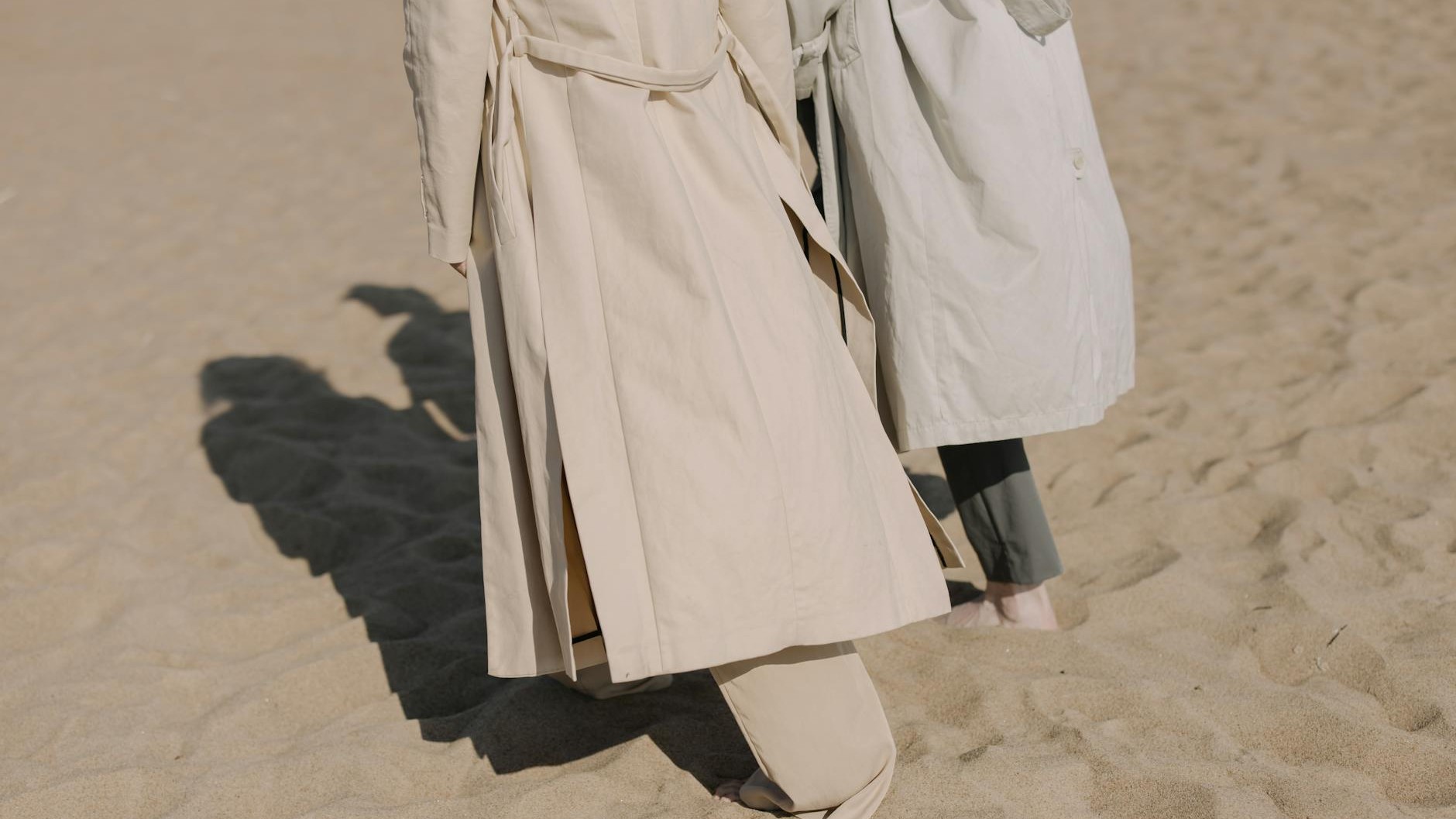
The moment you pull on a trench coat and cinch that belt, something shifts. Posture straightens. The outfit snaps into focus. There’s a reason this piece has survived every fashion cycle since the early 20th century, and why, every single spring, it resurfaces not as a nostalgia act but as the sharpest tool in the wardrobe.
Spring 2026 has brought a particularly interesting moment for the trench. Proportions are shifting, longer hemlines are back in conversation, oversized silhouettes are sharing rack space with fitted, almost tailored cuts, and the belting game has gotten genuinely creative. If you’ve been wearing yours the same way for three seasons running (half-belt, loosely tied, left to hang), this is your invitation to reconsider.
Key takeaways
- What happens when you tie your trench belt at the natural waist instead of letting it drift—and why proportioning matters more than you think
- The layering approach fashion editors are using that sounds chaotic but creates some of the most compelling spring looks right now
- The micro-details (epaulettes, collar positioning, hem treatment) that quietly elevate your entire outfit without anyone quite knowing why
The belt is doing more work than you think
Most people treat the trench belt as an afterthought, something to knot vaguely at the front before heading out the door. That’s leaving serious style potential on the table. The belt on a trench coat is Actually a proportioning tool, and understanding that changes everything about how you wear it.
Tying the belt at the natural waist (rather than letting it drift down to the hips) creates an immediate hourglass effect, pulling the coat into the body and giving even the boxiest silhouette a sense of shape. If your trench runs longer, mid-calf or below the knee, this high-tie technique is almost mandatory to avoid looking swallowed by fabric. Cinch it, then let the lower portion of the coat flare slightly outward. The visual result is closer to a structured dress than a shapeless outer layer.
For those who prefer the more relaxed, off-duty approach, try threading the belt through only one side loop and letting the other end hang loose, or knotting it entirely at the back. It sounds minimal, but the asymmetry does something unexpected to the silhouette, it draws the eye diagonally, which is one of the oldest tricks in visual styling. A few editors have been wearing their trench belts wrapped twice at the waist and tucked rather than tied, which creates a cleaner front profile with zero bow bulk.
Layering: the counterintuitive approach that actually works
Here’s where most spring styling advice falls apart: it assumes you’re wearing the trench over everything, as a finishing layer. But some of the most compelling looks right now are built the other way around.
Try treating the trench as a mid-layer, a light knit or fitted long-sleeve underneath, the trench on top, and then a slim scarf or even a lighter overshirt loosely draped over the trench’s shoulders, worn like a shawl. Sounds chaotic. Works beautifully, especially when the color palette stays tight (think tonal camel and ivory, or varying shades of slate and charcoal). The key is making sure the innermost layer is the most fitted, and each layer out gets progressively more relaxed in silhouette.
Temperature-wise, spring is genuinely unpredictable, and the trench is one of the few pieces that accommodates that without looking like you planned for a weather emergency. Under a trench, a ribbed turtleneck and straight-leg trousers is a complete outfit for a 45-degree morning that looks equally intentional when the afternoon hits 62 and you tie the coat at your waist instead of buttoning it. That kind of adaptability is rare. It’s also why the trench deserves more credit as a practical garment, not just an aesthetic one.
What to wear underneath (and the combinations worth trying)
The trench is, at its core, a neutral, and that gives it an unusual amount of range. Classic camel or khaki versions work effortlessly over almost any color family. Navy or slate-gray trenches are slightly more specific but photograph beautifully and translate well from professional to weekend contexts.
A few layering combinations that are worth trying this season:
- A silk slip dress with a fitted crewneck knit underneath the trench, evening energy, day practicality
- Wide-leg trousers, a simple white button-down, and the trench left unbuttoned and unbelted as a fluid third piece
- A midi skirt in a soft floral or abstract print, paired with a fitted mockneck, the trench grounds the whole look without competing
- Tailored shorts (yes, in early spring) with a slightly oversized trench belted high, proportionally playful, genuinely wearable
One thing worth saying plainly: the trench coat does not require heels. The idea that it only works with pointed-toe pumps or ankle boots is both dated and limiting. A great trench over straight-leg jeans and clean white sneakers is one of the most effortlessly put-together looks you can put together in under five minutes. The coat carries the weight of the outfit on its own.
The details that quietly elevate everything
Collar up or collar down is a question people have strong feelings about. The honest answer is that collar-up works better with shorter hair or when the neck is a focal point, it draws attention upward and gives the whole look a slightly cinematic quality. Collar-down reads more relaxed, and on longer coats especially, it creates a cleaner line from shoulder to hem.
Epaulettes, those small straps on the shoulders, are structural details that often go unnoticed, but styling them makes a quiet difference. Leaving them buttoned gives a more polished, almost military silhouette. Unbuttoned and left flat, the shoulder line relaxes and the coat reads as more casual. It’s a micro-adjustment with a surprisingly macro visual effect.
And the hem. If your trench has a back vent, let it breathe, stuffing it shut when you button the lower tabs changes the drape entirely, usually not for the better. The movement of a well-structured trench from behind, hem swaying slightly as you walk, is part of what makes it feel so effortlessly good.
The real question, heading into spring, is whether the trench coat is something you’re wearing on autopilot, or whether it’s actually working as hard as it could for you. There’s a significant difference between the two.