
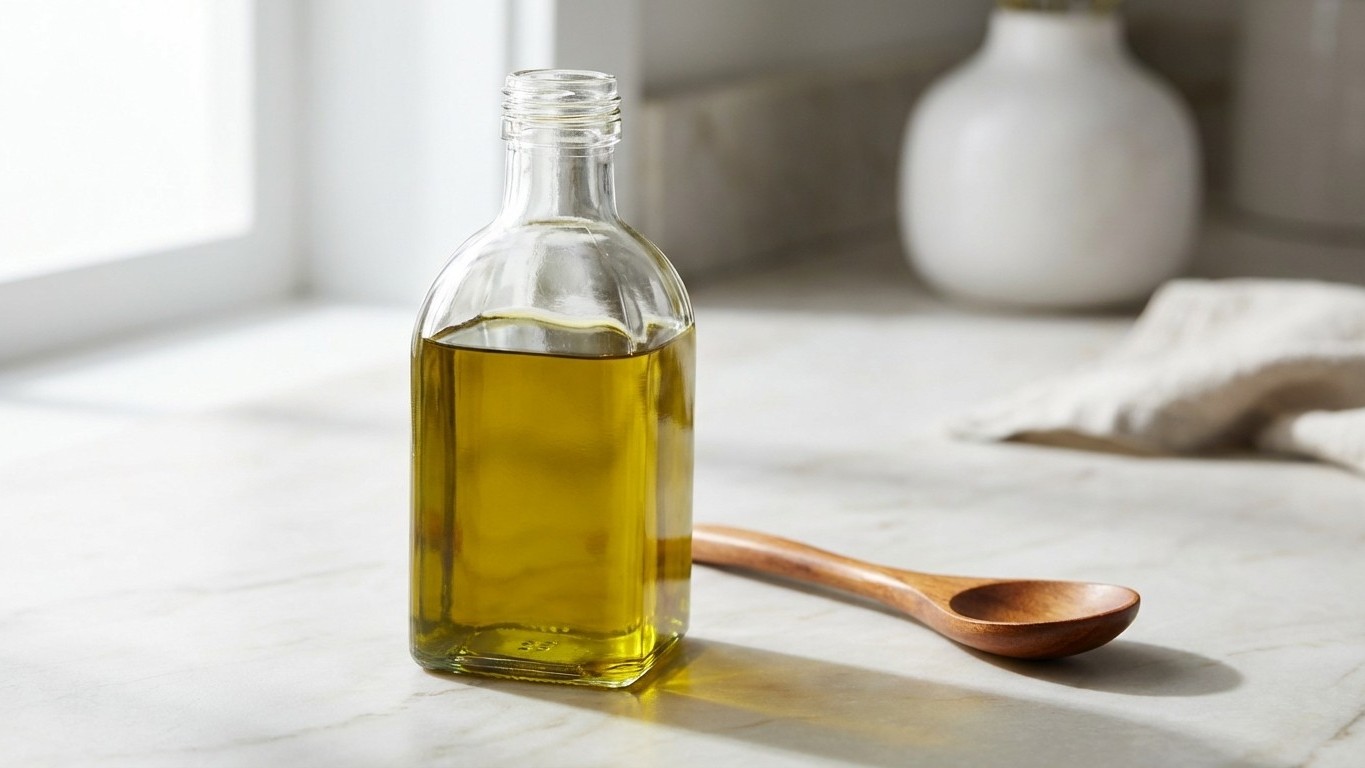
The jar has been sitting in your cabinet for months, probably shoved behind the cumin and the forgotten tahini. You reach past it every morning without a second thought. But Nutritionists? They reach for it, deliberately, consistently, almost ritually. We’re talking about extra virgin olive oil, and if you’re already rolling your eyes thinking “yes, yes, healthy fats,” stay with me, because the conversation around olive oil in 2026 has moved far beyond the Mediterranean diet talking points you’ve heard a hundred times before.
The anti-inflammatory story unfolding in nutritional research right now is specific, compelling, and quietly changing what experts Actually put in their bodies every single day.
Key takeaways
- A single pantry staple contains a compound that mimics ibuprofen’s anti-inflammatory action without the pharmaceutical side effects
- Most people have been using this ingredient wrong, and there’s a specific daily ritual that maximizes its therapeutic potential
- Quality matters obsessively—and the difference between therapeutic and useless comes down to a detail most shoppers completely miss
The Compound That Changes Everything
Oleocanthal. That’s the word you want to hold onto. This naturally occurring polyphenol, found exclusively in high-quality extra virgin olive oil, has been shown in multiple studies to inhibit the same inflammatory enzymes as ibuprofen, COX-1 and COX-2, but through a dietary pathway rather than a pharmacological one. The burning sensation you sometimes feel at the back of your throat when consuming a particularly pungent olive oil? That’s oleocanthal announcing itself. It’s not a flaw. It’s a feature.
Registered dietitians who specialize in autoimmune conditions and chronic inflammation increasingly point to oleocanthal as one of the few food compounds with enough evidence behind it to use daily with confidence. The research isn’t emerging, it’s accumulated. Studies from as far back as 2005 and as recently as 2024 consistently reinforce what traditional Mediterranean communities have practiced for generations. High polyphenol olive oil consumed regularly correlates with reduced markers of systemic inflammation, including C-reactive protein and interleukin-6, two indicators that physicians now track closely in patients with metabolic and cardiovascular concerns.
The Daily Habit That Actually Looks Like This
Here’s where it gets practical, because there’s a meaningful difference between using olive oil and using it strategically. Most American households cook with olive oil at high heat, which degrades polyphenols significantly. The nutritionists who swear by this staple tend to use it in two specific ways: drizzled raw over finished dishes, and consumed in small amounts on an empty stomach or with a piece of whole grain bread first thing in the morning.
The morning ritual sounds unusual, I know. But consuming one to two tablespoons of high-quality extra virgin olive oil first thing is a practice that spans generations in regions like Crete and Puglia, and modern nutritionists are revisiting it with fresh eyes. The logic is sound: polyphenols absorbed without competing macronutrients may reach the intestinal lining more efficiently, supporting the gut barrier integrity that researchers increasingly link to systemic inflammation levels. A compromised gut lining, often called “leaky gut” in mainstream wellness spaces, allows inflammatory particles to enter the bloodstream, and olive oil’s compounds appear to help reinforce that protective barrier.
The quality distinction here is non-negotiable. Nutritionists are specific about this. Light olive oil, pomace olive oil, and many blended products sold cheaply in large containers often have polyphenol counts too low to provide meaningful therapeutic benefit. What you’re looking for is a harvest date (not just a “best by” date), a dark bottle, and a label that specifies region and pressing method. Price is a rough proxy, genuinely high-polyphenol oils rarely cost less than $20 for a 500ml bottle.
What Makes It Anti-Inflammatory Beyond the Headlines
Olive oil’s power isn’t a single compound acting alone. Think of it less like a bullet and more like a conversation happening between multiple bioactive players. Alongside oleocanthal, high-quality extra virgin olive oil contains oleuropein and hydroxytyrosol, two polyphenols with significant antioxidant properties that help neutralize oxidative stress, one of the upstream drivers of chronic inflammation. There’s also the oleic acid component, a monounsaturated fat that research links to reduced expression of certain pro-inflammatory genes.
The counter-intuitive piece that nutritionists often have to explain to clients: dietary fat is not the enemy of inflammation. The type matters enormously. Omega-6 heavy seed oils, consumed in the volumes they appear in processed American food, appear to push the body toward a more inflammatory state. Olive oil’s fatty acid profile does essentially the opposite, shifting the omega-6 to omega-3 ratio in a more favorable direction even without being a direct source of omega-3s.
One detail that doesn’t get enough attention, olive oil consumed alongside vegetables actually increases the bioavailability of fat-soluble phytonutrients like lycopene and beta-carotene. drizzling it over a tomato salad or roasted carrots isn’t just delicious; it’s mechanistically smarter. The fat acts as a carrier. The nutrients that would otherwise pass through you are absorbed instead. The whole meal becomes more nutritionally coherent.
How to Actually Upgrade Your Bottle
The upgrade doesn’t require an overhaul of your cooking. It requires a single, more considered purchase. Look for oils harvested within the last 12 to 18 months, polyphenol content decreases as oil ages, and many supermarket bottles are already two years old by the time they reach the shelf. Single-origin oils tend to be more traceable and more consistent in quality than blends. Greek, Italian, Spanish, and Californian producers all have excellent options at varying price points.
Store your bottle away from heat and light, and use it within six to eight weeks of opening. A bottle that’s been sitting open on a sunny countertop for four months is not delivering the benefits you think it is.
There’s something almost poetic about the fact that one of the most well-researched anti-inflammatory tools in a nutritionist’s daily arsenal is also one of the oldest cultivated foods on earth. Humans have been pressing olives for over 6,000 years. But maybe the real question is this: in a wellness market saturated with powders, adaptogens, and monthly subscription supplements, how many of us have genuinely optimized something we already own?