
A nail snapping clean off while you’re simply pulling on a sweater. The soft, papery edge that catches on everything. The ridge that wasn’t there two years ago. If you turned 50 and suddenly felt like your nails had quietly staged a revolt, you are not imagining it, and the culprit hiding in plain sight isn’t age alone. It’s a specific, measurable nutrient gap that most women over 50 are never told to check.
Key takeaways
- Your hormonal shift after 50 isn’t just making you older—it’s actively blocking nutrient absorption in ways you’ve never been told about
- One specific B vitamin shows a 25% increase in nail thickness in clinical studies, but most supplements contain only a fraction of the therapeutic dose
- A simple blood test most doctors never recommend could reveal the real culprit hiding behind what you’ve accepted as ‘just aging’
Why Your Nails Change After 50 (And It’s Not Just “Getting Older”)
Nail brittleness is a common complaint affecting up to 20% of the population, with women over 50 being disproportionately affected. Most of us chalk it up to time, accept it, and reach for a thicker coat of polish. That’s the wrong move, and the wrong diagnosis.
The hormonal shift happening in your 50s is doing something very specific to your nail structure. During menopause, declining estrogen levels reduce collagen production, leading to weaker connective tissue in the nail bed, which results in thinner, more fragile nails that grow more slowly. Less talked about: reduced blood flow to the extremities, another midlife side effect, can hinder the delivery of essential nutrients to the nails. So even if you’re eating reasonably well, the nutrients you consume may simply not be reaching your fingertips the way they once did.
Production of collagen is strongly influenced by estrogen levels in the body. As estrogen falls during menopause, collagen production decreases and connective tissue begins to break down. Keratin production depends on amino acids derived from collagen, and as a result, both proteins decrease, leaving hair, skin, and nails visibly weaker. The result isn’t vanity. It’s biochemistry.
The One Nutrient Most Women Over 50 Are Actually Missing
Here’s where most beauty articles go wrong: they list seven nutrients, tell you to eat more salmon, and leave you Exactly where you started. So let’s get specific.
The single nutrient that changes the game for post-50 nail health, and that women are most consistently low in after menopause, is biotin, also known as vitamin B7. Biotin plays a direct role in keratin production, and studies have shown that biotin supplementation at doses of 2.5 mg daily can increase nail thickness by 25% in people with brittle nails. That’s not a marginal improvement. That’s a structural shift.
Biotin is one of the most important nutrients for the nails, and its deficiency may weaken them. It supports the production of keratin and keeps keratinocytes tightly packed. Studies have shown that biotin supplements may improve nail thickness and strengthen them by 25% in people deficient in this nutrient, though it may take around 6 to 9 months to experience the full benefits.
The counter-intuitive part? Hormonal changes during menopause can affect nutrient absorption in the gut, inhibiting the uptake of nutrients such as biotin and zinc, which are essential for nail health. You might be eating all the right foods and still coming up short, not because of what’s on your plate, but because of how efficiently your body is absorbing it. A blood test, not a beauty supplement shelf, is the place to start.
One more thing worth knowing: biotin can interfere with thyroid and biomarker lab tests, so if you’re supplementing, always tell your doctor before any bloodwork. This detail gets buried in fine print far too often.
But Biotin Isn’t the Whole Story
Correcting biotin alone may not be enough if other pieces of the nutritional puzzle are missing. Think of it as a system, not a single switch.
Iron deficiency is one of the leading nutritional causes of brittle nails, and your nails need adequate iron to maintain their structure and growth. When iron levels drop, nails can become thin and brittle, developing a spoon-shaped appearance, and ferritin levels below 30 ng/mL are often associated with nail problems, even if you’re not technically anemic. That last part matters enormously: standard iron tests often miss this. Ask your doctor specifically for a ferritin level check, not just a general iron panel.
Collagen peptides at 2.5–5 grams daily may improve nail strength by providing amino acids necessary for keratin production. And then there’s silica, the quiet underdog of the nail world. Silicon is essential for collagen cross-linking and keratin formation in both nails and hair. Orthosilicic acid, the bioavailable form found in stabilized supplements, has shown in clinical trials to significantly improve nail brittleness and surface quality after 20 weeks at 10 mg/day. The result. Bluffant.
Omega-3 fatty acids at 1–2 grams daily can also improve nail moisture and flexibility, addressing the dryness and peeling that often accompanies brittleness. Think of omega-3s as the hydration layer underneath the structural work that biotin and collagen are doing.
What to Do Right Now (Without Panic-Buying Half the Supplement Aisle)
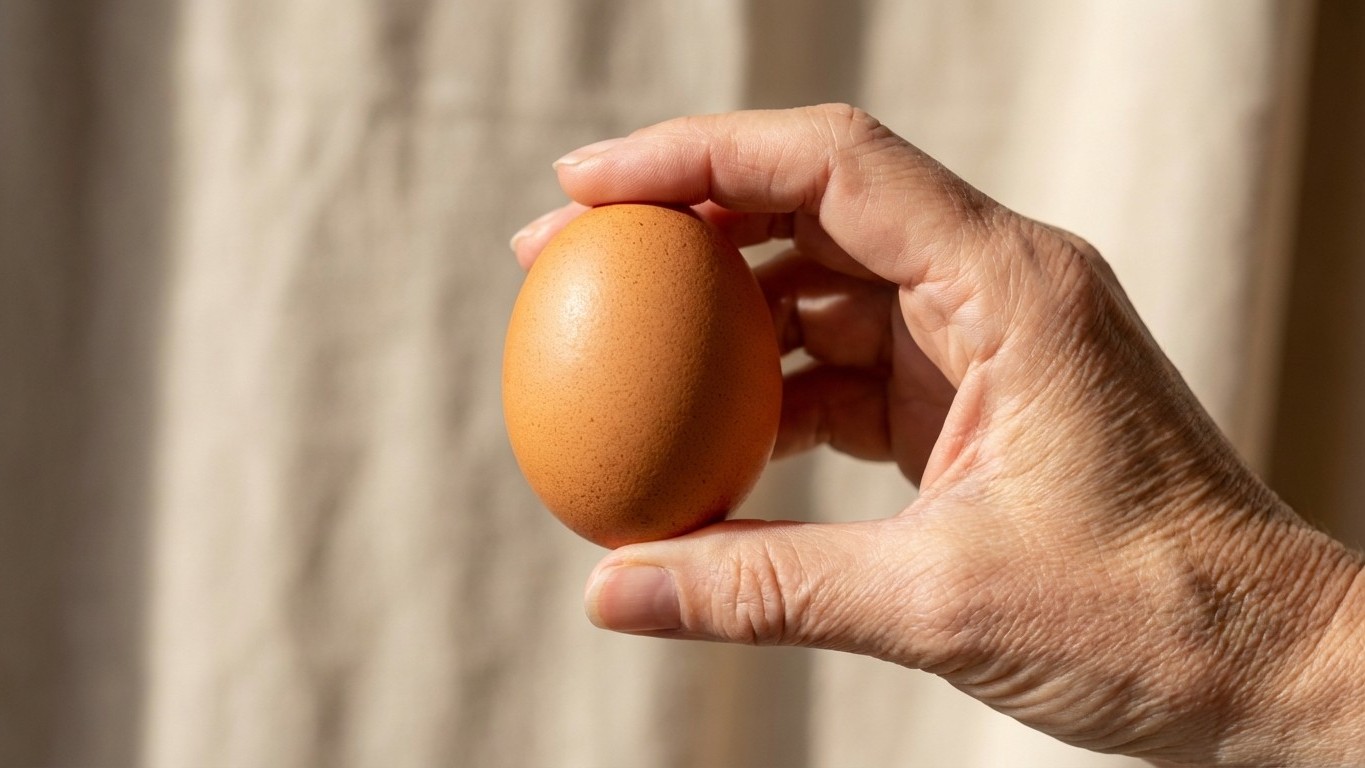
Start with food. Biotin supports healthy cell growth and aids in the metabolism of amino acids essential for nail growth, and foods rich in biotin include eggs, nuts, seeds, salmon, and sweet potatoes. One egg a day gets you surprisingly far. One large egg contains up to 83% of the daily recommended intake of biotin. Simple. Almost too simple.
For iron, animal-based products such as oysters and beef are excellent sources, while plant-based options like lentils, kidney beans, and tofu provide dietary iron as well. Pair plant-based iron with vitamin C to boost absorption, iron supplementation with vitamin C for better absorption should be considered if ferritin levels fall below 50 ng/mL.
On the supplement side, most commercial hair, skin, and nail supplements contain only 30–300 mcg of biotin, which is far below the therapeutic range. Look for standalone biotin at 2,500 mcg if your doctor confirms a deficiency. And be patient: nails grow roughly 3–4 mm per month, so meaningful improvement in brittleness typically takes 3–6 months of consistent supplementation, since you’re waiting for the improved nail plate to grow out from the matrix.
Skip the nail hardeners marketed with bold promises. Nail hardeners containing formaldehyde should be avoided as they can make nails more brittle over time. Instead, use strengtheners with hydrolyzed wheat protein or calcium. Outside-in care matters, but it can’t compensate for an inside-out deficiency.
As one naturopathic doctor explains, “nail health is most often an indicator of poor nutritional intake or poor digestion,” and brittle, weak, and peeling nails are “more often the result of a poor diet than of systemic disease.” That’s reassuring. And actionable.
The real question worth sitting with: how many other subtle Signals is your body sending that you’ve been attributing to “just getting older”, when the answer might be sitting in a routine blood panel you’ve never thought to ask for?