
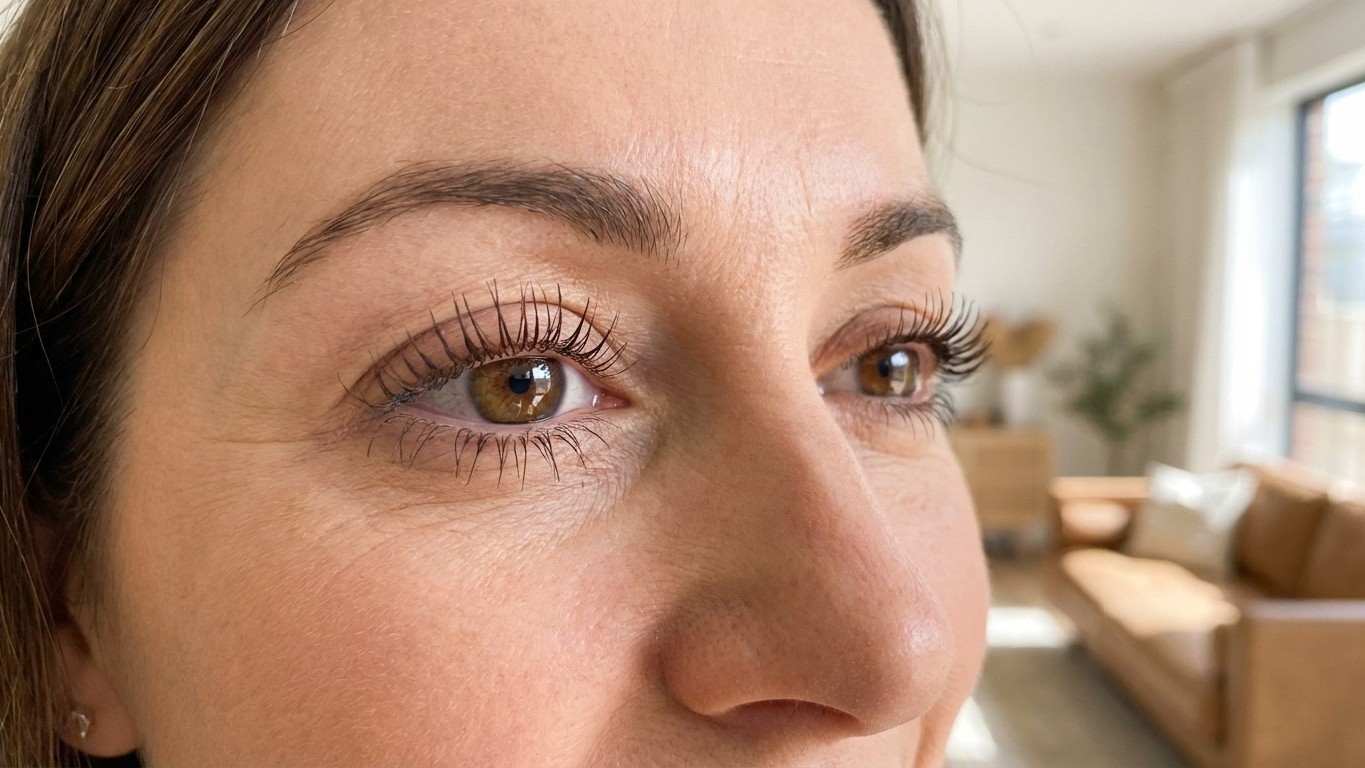
There’s a moment every woman over 40 recognizes: you’re getting ready for the day, applying mascara the same way you have for decades, and suddenly your lashes look… disappointing. Instead of the long, fluttery effect you’re after, you’re left with clumpy, stubby lashes that somehow make your eyes look smaller and more tired. The culprit isn’t age or genetics—it’s a fundamental application Mistake-everyone-makes-when-choosing-a-sofa-bed”>Mistake that’s incredibly common, especially as we hit our forties.
After years of mascara mishaps and countless conversations with makeup artists, the revelation is surprisingly simple: most of us are applying mascara backwards. We start at the tips and sweep upward, or we pump the wand aggressively in the tube, or we layer on coat after coat hoping for magic. But the game-changing technique that prevents clumping while dramatically lengthening lashes requires us to completely rethink our approach.
The Foundation: Why Your Current Technique Fails
The most common mascara mistake isn’t about the product you’re using—it’s about technique. Professional Makeup Artists emphasize starting at the base of your lashes, placing the mascara wand there and wiggling it gently as you move upwards, which helps coat the lashes from root to tip and makes them appear dramatically longer. Most of us skip this crucial wiggling motion, Missing the opportunity to separate each lash and build real length from the foundation up.
The wiggling technique as you move the wand upward isn’t just for show—this motion ensures that mascara coats each lash evenly, helps separate them naturally, and prevents the clumping that happens when product builds up in one spot. When you start at the tips or use straight upward strokes, you’re essentially painting clumps onto the ends of your lashes rather than building length and definition from the root.
Another critical error that becomes more problematic after 40 is pumping the wand in and out of the tube, which forces air inside and causes mascara to dry out quickly while forming clumps. As our lashes naturally become more sparse and delicate with age, this dried-out formula can feel heavy and look unnatural, making the problem even more noticeable.
The Revolutionary Root-to-Tip Method
The revolutionary application begins by positioning the mascara wand close to the root of your lashes, then wiggling it as you sweep upward to work the product into each lash, with some experts recommending placing the wand at the base of your lash line and blinking to help coat every single lash. This blinking technique is particularly effective because it ensures even the shortest, innermost lashes get attention.
The key is patience and precision rather than speed. Wiggle the wand back and forth at the roots to coat them thoroughly, then sweep upwards towards the tips—this technique ensures even coverage and prevents clumping. The wiggling motion at the base is what separates this technique from amateur application, creating the foundation for genuine length rather than just adding bulk to the ends.
For the second coat—and yes, you should apply a second coat—timing is everything. Apply your second layer relatively quickly after the first, waiting around 20 seconds between coats to avoid smudging and clumping, because waiting too long allows lashes to set and become too brittle for additional layers. This timing creates buildable length without the spider-leg effect that ruins so many mascara applications.
Advanced Techniques for Mature Lashes
As we age, our approach to lower lashes requires special attention. Use a very light hand on bottom lashes because too much mascara in that area will age you and draw attention to fine lines around the eyes, with one coat being enough to enhance your lower lids without creating flaking or smudging. The goal is subtle definition, not drama.
For extra length and those coveted wispy outer-corner lashes, hold the applicator vertically and apply mascara using a vertical motion, which creates especially dramatic length on the outer corners. This vertical technique is what gives you that lifted, eye-opening effect that’s particularly flattering after 40.
Professional makeup artists also recommend using a clean spoolie between mascara layers to remove excess product and create an extra-clean, separated look. This step is crucial for mature lashes that may be more prone to clumping due to changes in lash texture over time.
The transformation isn’t just about application technique—it’s about understanding that layering for more length works best when you apply a second coat after the first has dried, which helps build length without clumping. The patience to let each layer set properly is what separates professional-looking results from the rushed, clumpy applications that leave us frustrated.
This root-to-tip wiggling method, combined with proper timing and strategic second coats, creates the kind of naturally long, defined lashes that enhance rather than overwhelm mature eyes. The difference isn’t just visible—it’s transformative, giving you back the confidence that comes with perfectly applied mascara that Actually does what it promises to do.