
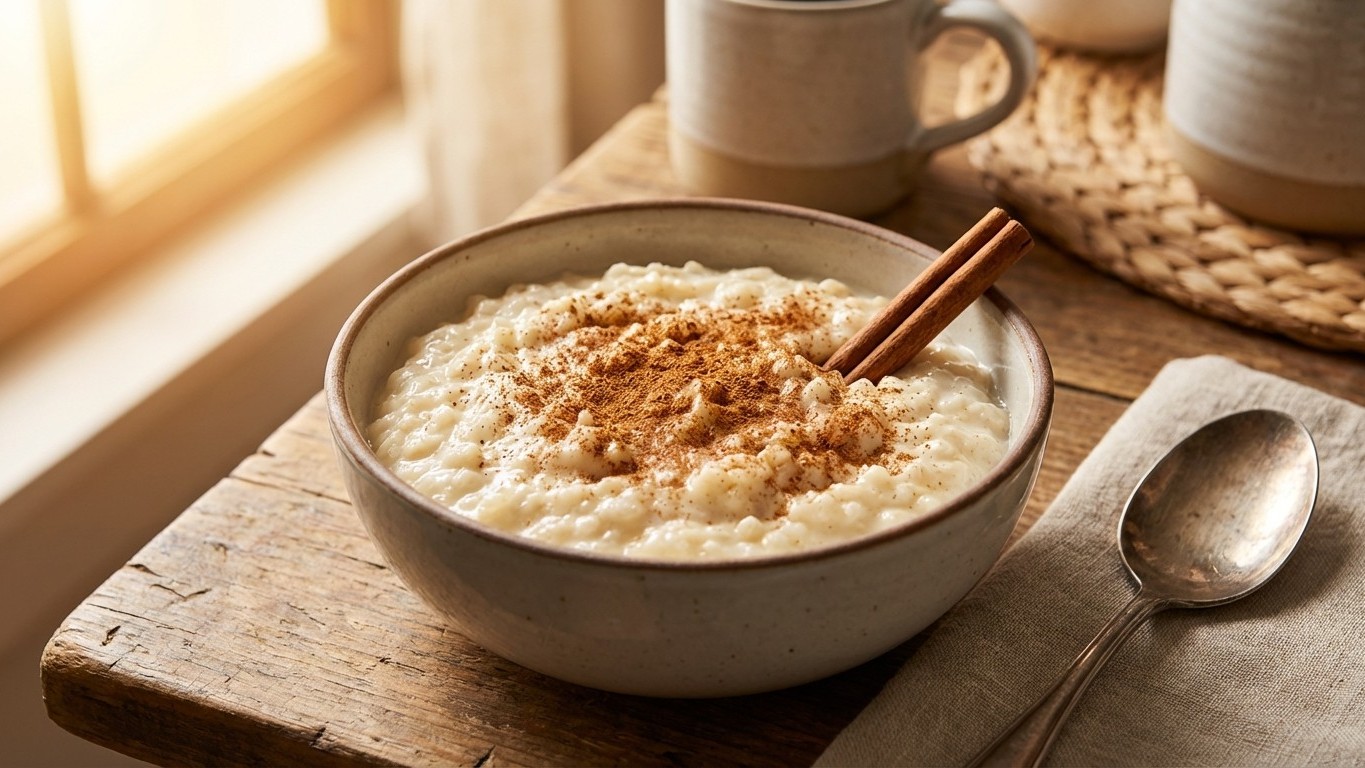
After countless disappointing attempts that resulted in either watery disappointment or gluey disasters, I Finally-understood-about-cleansing”>Finally-growing-back-this-2-minute-evening-routine-changed-everything-for-her”>Finally cracked the code to perfect rice pudding. The revelation came not from an expensive cookbook or celebrity chef, but from understanding the Buying-fresh-herbs-once-i-discovered-this-simple-jar-trick”>Simple mathematics that govern this seemingly humble dessert. The Secret wasn’t in exotic ingredients or complex techniques—It Was hiding in plain sight in the ratio of rice to liquid.
For years, I followed recipes blindly, measuring cups of milk and spoonfuls of rice Without truly understanding why some attempts yielded silky, spoon-coating perfection while others turned into either soup or cement. The breakthrough moment came when I realized that rice pudding isn’t just cooking—it’s a delicate dance of absorption, evaporation, and transformation that requires precise proportions to achieve that coveted creamy texture.
The Golden ratio that Changes Everything
This proportion accounts for the rice’s natural absorption capacity while allowing enough extra liquid for the slow evaporation process that concentrates flavors and creates that luxurious mouthfeel. Too little liquid, and your rice becomes a starchy brick Before-buying-my-humidifier”>Before it has time to release its natural creaminess. Too much, and you’ll end up with rice floating in flavored milk—technically edible, but hardly the comforting dessert you’re craving.
The beauty of this ratio extends beyond basic measurements. It scales perfectly whether you’re making an intimate dessert for two or preparing for a dinner party. Half a cup of rice transforms into a generous serving for four when combined with three cups of liquid, while a full cup creates enough for eight hearty portions.
Understanding the Science Behind Perfect Texture
Rice grains are essentially tiny starch factories waiting to release their thickening power. When heated gently in liquid, they gradually shed their starches, creating natural thickening without the need for artificial additives. This process requires time, patience, and—crucially—the right environment of sufficient liquid to prevent scorching while allowing gradual concentration.
The type of rice you choose dramatically affects how this ratio performs. Short-grain rice varieties like Arborio or sushi rice release more starch, creating naturally creamier results. These varieties can handle the full 1:6 ratio beautifully. Long-grain rice, while perfectly usable, requires slight adjustments—perhaps a 1:5.5 ratio—since it releases less starch and maintains more structural integrity during cooking.
Temperature control becomes your secret weapon in executing this ratio perfectly. Low, steady heat allows the rice to slowly absorb liquid while releasing starch gradually. High heat disrupts this delicate process, causing uneven cooking and potential scorching before the magical transformation occurs.
Mastering Variations and Flavor Enhancements
Once you’ve mastered the basic proportion, endless variations become possible without compromising the fundamental texture. Replacing a portion of the milk with heavy cream—perhaps one part cream to five parts milk—elevates richness without disrupting the absorption balance. For lighter versions, unsweetened almond or oat milk works beautifully, though you might need to add a tablespoon of cornstarch to compensate for reduced natural proteins.
Sweetening strategies also respect this proportional foundation. Rather than dumping sugar in randomly, I’ve learned that approximately two tablespoons of sugar per cup of rice creates the perfect canvas for additional flavors without overwhelming the delicate dairy notes. This sweetness level allows vanilla, cinnamon, or citrus zest to shine without competing against an overly sweet base.
Timing becomes intuitive once you understand the ratio. The rice pudding is ready when it naturally coats a spoon and has absorbed roughly two-thirds of the original liquid. This typically takes 25-30 Minutes of gentle simmering, but the visual and textural cues matter more than rigid timing.
From Kitchen-gold”>Kitchen Disaster to Comfort Food Triumph
Understanding this proportion transformed rice pudding from a frustrating gamble into a reliable comfort food I can prepare confidently for family gatherings or quiet Sunday afternoons. The difference between success and failure often comes down to trusting the process and respecting the rice’s natural timing rather than rushing toward an arbitrary finish line.
The most liberating aspect of mastering this ratio is the confidence it brings to experimentation. Whether you’re incorporating coconut milk for tropical notes, stirring in dried fruits during the final minutes, or creating savory variations with cheese and herbs, the fundamental 1:6 proportion provides a stable foundation for creativity.
Perfect rice pudding isn’t about following someone else’s exact recipe—it’s about understanding the fundamental relationship between rice and liquid that makes creamy magic possible. Once you internalize this proportion and the gentle cooking method it requires, you’ll never again wonder why your rice pudding didn’t turn out as expected. Instead, you’ll confidently create the exact texture and flavor profile you’re craving, transforming simple ingredients into pure comfort food satisfaction.