
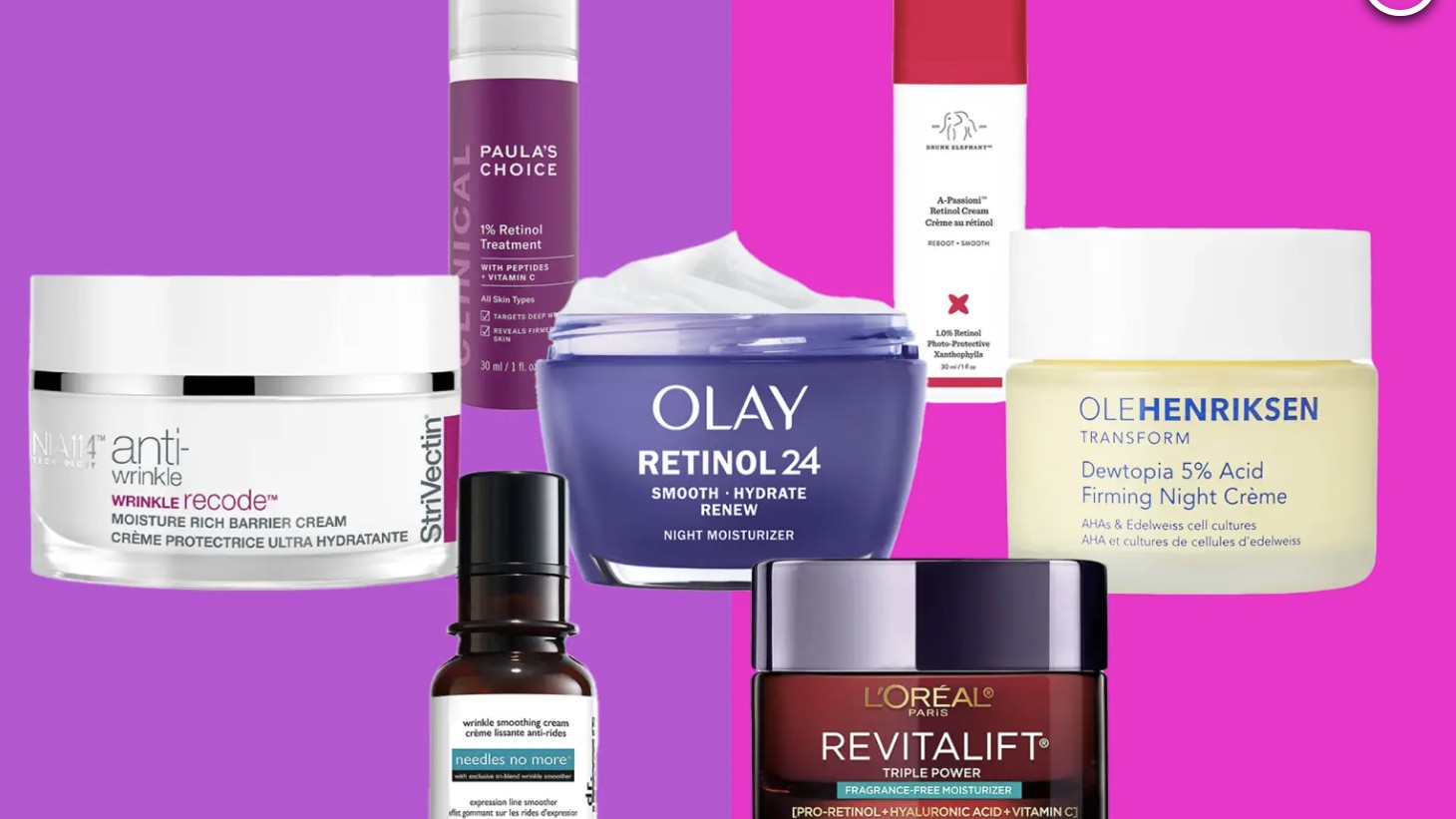
When my dermatologist suggested I try bakuchiol instead of my usual retinol cream, I’ll admit I was skeptical. Here I was, spending a small fortune on anti-wrinkle products that promised miraculous results, only to be told there was a gentler, plant-based alternative That Could deliver the same benefits without the irritation. Six months later, my skincare Routine has been completely transformed, and I’m wondering why more people aren’t talking about this remarkable ingredient.
The Plant-Based Revolution in Anti-Aging
Bakuchiol is a meroterpene phenol abundant in seeds and leaves of the plant Psoralea corylifolia. We present evidence that bakuchiol, having no structural resemblance to retinoids, can function as a functional analogue of retinol. Pronounced “bah-KOO-chee-all,” this ancient Ayurvedic ingredient has been quietly making waves in dermatology circles for good reason.
Bakuchiol is comparable with retinol in its ability to improve photoageing and is better tolerated than retinol. This finding comes from rigorous clinical research, not marketing hype. In the 12-week randomized, double-blind study of 44 patients who applied either bakuchiol 0·5% cream twice daily or retinol 0·5% cream daily, researchers found both topicals significantly decreased wrinkle surface area and hyperpigmentation, with no statistical difference between the compounds.
What truly impressed me was learning that in contrast to retinol, bakuchiol demonstrated high antioxidative efficacy. Levels of PGE2 and MIF were significantly decreased by both bakuchiol and retinol. This means bakuchiol doesn’t just mimic retinol’s effects—it brings additional antioxidant properties that can help protect skin from environmental damage throughout the day.
Why Dermatologists Are Making the Switch
“While retinol is an outstanding ingredient that I like my patients to use, there are just some people who have sensitive skin and cannot tolerate it. We’re always looking for a retinol alternative for this population of patients. That’s where bakuchiol fills an unmet need,” Dr. Zeichner said. This sentiment echoes what many dermatologists are discovering in practice.
The traditional anti-wrinkle cream market has long been dominated by retinoids, and for good reason. Retinoids and retinol are the only anti-aging creams that are scientifically proven to reduce the appearance of wrinkles and fine lines and improve skin tone. However, retinoids can be harsh on the skin, causing side effects like dryness, burning, stinging, peeling, and sun sensitivity.
Enter bakuchiol, which the bakuchiol users reported less facial skin scaling and stinging, according to the study. When applied to the skin, it does not cause the skin irritation and sun-sensitivity that results in so many patient aversions to using retinol products. For someone like me who experienced persistent redness and peeling with traditional retinol products, this was game-changing news.
The Science Behind the Gentle Giant
What makes bakuchiol particularly fascinating is how it achieves retinol-like results through entirely different mechanisms. Volcano plots showed great overall similarity of retinol and bakuchiol effects on the gene expression profile. This similarity was confirmed by the side-by-side comparison of the modulation of individual genes, as well as on the protein level by ELISA and histochemistry. Retinol-like functionality was further confirmed for the upregulation of types I and IV collagen in DNA microarray study and also show stimulation of type III collagen in the mature fibroblast model.
The clinical results speak for themselves. The results showed that, after 12 weeks treatment, significant improvement in lines and wrinkles, pigmentation, elasticity, firmness and overall reduction in photo-damage was observed, without usual retinol therapy-associated undesirable effects. Additionally, its activity profile shares some common features with retinol but demonstrates several hitherto unknown biopositive effects in our studies, namely stimulation of the critical extracellular matrix component FN, and accelerated epidermal regeneration and wound healing.
Bakuchiol (pronounced bah-KOO-chee-all), a natural retinol alternative, offers patients the skin renewal benefits of retinol without the irritation, redness, peeling and sun-sensitivity. Scientists have shown clinically that bakuchiol reduces the appearance of fine lines and wrinkles, improves skin firmness, brightens skin and improves skin tone and texture.
Making the Transition: What to Expect
One consideration that dermatologists emphasize is patience. While bakuchiol is celebrated for its gentleness, it is essential to note that its effects may not be as pronounced or rapid as retinol. Some dermatologists argue that while bakuchiol mimics retinol’s benefits, it may take longer to achieve similar results. However, for those of us who couldn’t tolerate traditional retinoids, slower progress is infinitely better than no progress at all.
Experts recommend conducting patch tests when trying new products, especially for those with sensitive skin. Additionally, dermatologists advise that individuals consult with skincare professionals to determine the best approach for their specific needs, whether that involves retinol, bakuchiol, or a combination of both.
What I found particularly appealing about bakuchiol is its versatility. Unlike retinol, which must be used at night due to sun sensitivity, bakuchiol also has the advantage of being able to be used during the day due to its excellent photostability, and it is easy to formulate due to its miscibility with other ingredients. This means you can incorporate it into both Morning-stretch-routine-for-drug-free-back-pain-relief”>Morning and Evening routines without concern.
The shift away from traditional anti-wrinkle creams toward evidence-based alternatives like bakuchiol represents a broader evolution in skincare. If you want results as noticeable as a face-lift, wrinkle creams probably won’t give you that. These products usually only make small improvements. However, for those seeking steady, sustainable improvement without the harsh side effects of conventional retinoids, bakuchiol offers a compelling path forward.
My dermatologist’s recommendation proved to be more than just another skincare trend—it was an invitation to rethink what effective anti-aging really means. Sometimes the most revolutionary approach is simply finding a gentler way to achieve the same goals. For anyone struggling with traditional retinoids or seeking a more natural approach to skin renewal, bakuchiol might just be the alternative you’ve been searching for.