
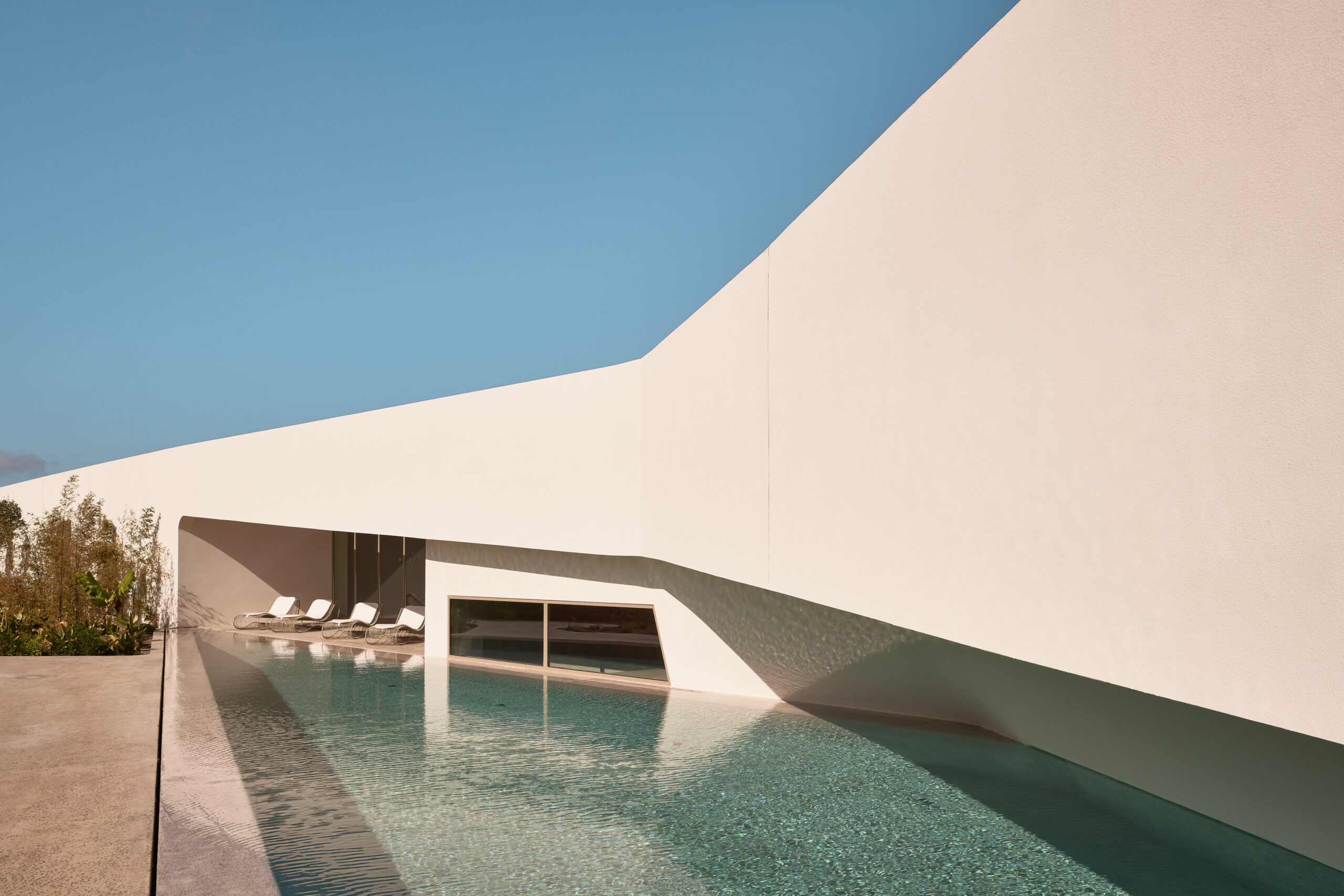
The scent hits you before you even lie down. Volcanic pumice, wild thyme, sun-dried clay warmed by centuries of geothermal activity, at NOŪS Santorini, the spa experience doesn’t begin with a robe and a cucumber-infused glass of water. It begins with the island itself.
This is the premise behind one of the more compelling wellness concepts to emerge from the Greek islands in recent years: a holistic spa program built almost entirely around The Naxos Apothecary, a line of natural formulations rooted in volcanic minerals and indigenous botanical ingredients. When NOŪS reopens on April 27, 2026, after its seasonal closure, guests will find that the treatment philosophy has been refined further, leaning even harder into the idea that Santorini’s volcanic terroir isn’t just scenery. It’s medicine.
Key takeaways
- A Greek spa replaces conventional products with formulations built entirely from volcanic minerals and Cycladic botanicals
- Treatments are customized based on individual assessments, borrowing from Ayurvedic and traditional Greek healing practices
- The hotel’s design and culinary program reinforce wellness at every level—creating sensory continuity beyond the treatment room
When the Landscape Becomes the Formula
Santorini sits atop one of the Mediterranean’s most geologically active calderas. The soil is rich in silica, sulfur, obsidian and pumice, minerals that have shaped everything from the island’s world-famous wines to its building materials. The leap to skincare isn’t as strange as it sounds. Volcanic minerals have long been used in thermal therapies across Japan, Iceland and the Italian terme tradition, and their properties, pore-cleansing, circulation-stimulating, deeply mineralizing, translate well to body and facial treatments.
The Naxos Apothecary takes this further by sourcing ingredients with a kind of artisan rigor. The line draws on volcanic ash, marine algae from the Aegean, wild herbs gathered from the Cycladic hillsides, and cold-pressed olive derivatives. No synthetic fillers, no industrial emulsifiers. The textures are deliberately unrefined, slightly gritty balms, dense mineral muds, oils that smell of oregano and sea salt rather than a laboratory’s idea of “clean.” That roughness, that terroir-driven imperfection, is a design choice, not a compromise.
What makes this approach genuinely different from generic “natural” spa branding is the specificity. Generic “mineral-rich” products are everywhere now. The Naxos Apothecary’s formulations are tied to a precise geographic and geological identity, the same volcanic chain that produced the Thera eruption, one of antiquity’s most catastrophic events, also left behind an extraordinary mineral legacy that is, thousands of years later, ending up on a guest’s shoulders in a heated treatment room overlooking the Aegean.
Ritual, Not Just Treatment
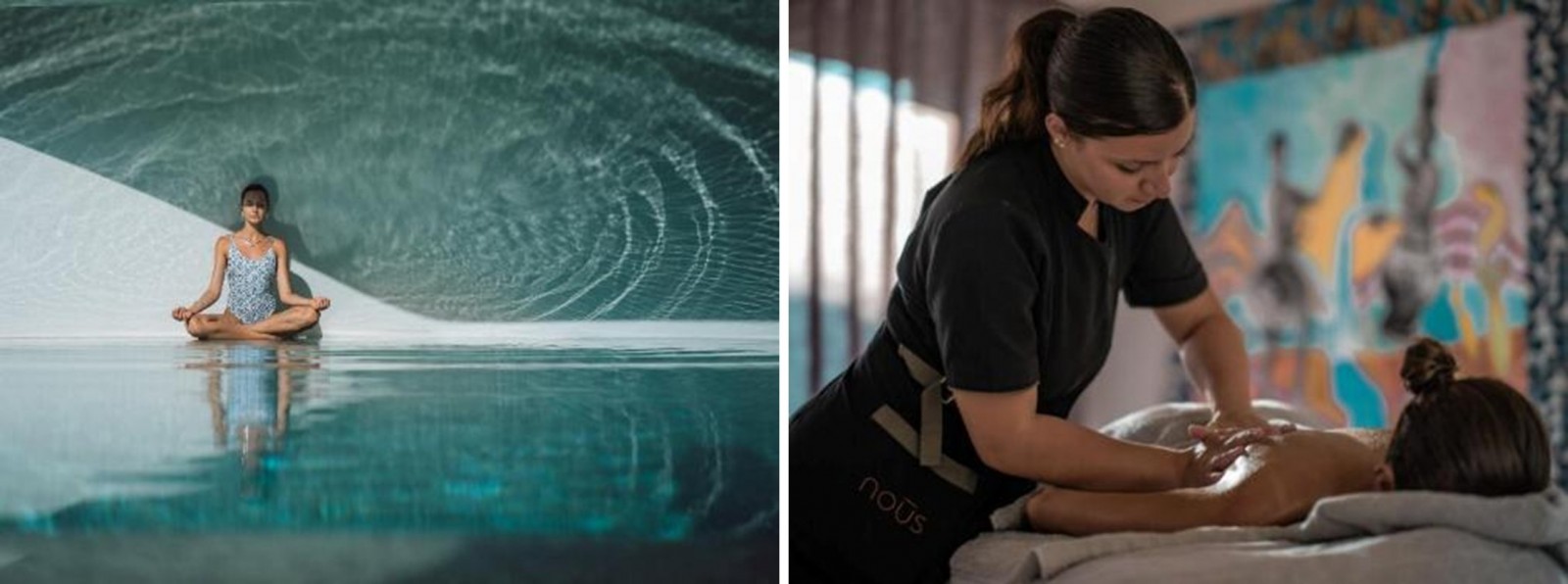
The spa at NOŪS doesn’t operate on the conventional menu model, where guests tick boxes from a laminated list. Treatments are personalized around individual skin assessments, stress profiles and seasonal considerations, a practice borrowed loosely from both Ayurvedic consultation and Greek folk medicine traditions, where remedies were adapted to the person, not just the symptom.

A typical ritual might begin with a volcanic earth wrap using mineral-dense pastes warmed to body temperature, followed by a dry-brush exfoliation with pumice-based scrubs, then a facial using The Naxos Apothecary’s cold-process oils and a Cycladic clay mask left to work while the guest rests in a state that hovers between sleep and meditation. The sequencing matters. Each step is meant to prepare the body for the next, moving from surface-level detoxification to deeper circulatory stimulation to final restoration.
There’s also a dietary component, which most destination spas claim to offer but rarely integrate meaningfully. Here, the kitchen feeds the wellness program with intention: volcanic wine-country olive oils, fermented Aegean vegetables, mineral broths made from local herbs. The idea, that true wellness is systemic, not topical, is hardly new, but at NOŪS it has architectural support. The hotel was designed around minimalist principles using natural materials including volcanic stone and raw marble, so even the physical environment reinforces a kind of sensory continuity. You’re not stepping out of a wellness cocoon into a candy-colored resort lobby.
The Numbers, and the Context
NOŪS is positioning this holistic program within a broader commercial offer: a 20% discount on wellness stays is available for bookings through October 15, 2026, which represents real value given the premium tier the property occupies. The hotel sits in a deliberately quieter pocket of the island, a few minutes from Fira and Oia but removed from the cruise-ship crowds that have transformed parts of Santorini into something resembling an open-air duty-free zone.

The art dimension is worth mentioning as context: the hotel’s collection was curated by Dakis Joannou, one of contemporary art’s most prominent collectors, and installations shift seasonally. Frankly, this is the kind of detail that elevates a spa hotel into something more complex, you’re not just resting, you’re moving through a space that asks something of you. That combination of aesthetic rigor and physical restoration is rare, and when it works, it works completely.

For those curious about what this Actually looks like in practice, the full visual presentation and program details for NOŪS Santorini’s 2026 season give a clearer sense of both the space and the treatment offerings.
The deeper question the NOŪS approach raises is one the wellness industry has been circling for a decade: whether a spa experience can ever be genuinely place-specific, or whether “local ingredients” will always remain a marketing layer over the same universal protocols. The volcanic minerals of Santorini suggest one answer. Whether the ritual around them delivers on that promise is something only April will confirm.