
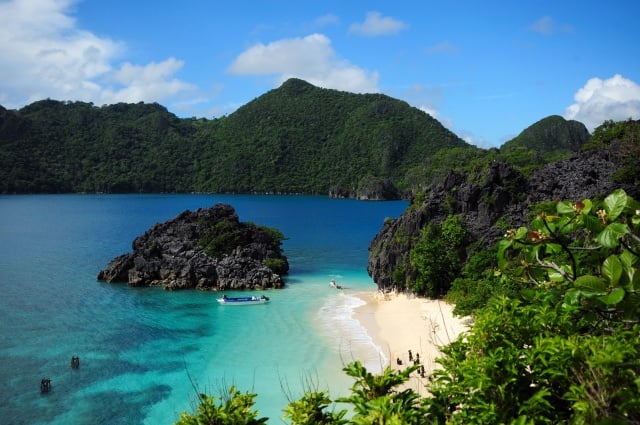
The salt air hits you first. Then the silence. Then, rounding the tip of the Bicol peninsula in the Philippines, you see them: the limestone cliffs of Caramoan rising from the sea like the ruins of a drowned cathedral. This is where Koh-Lanta: Les Reliques du Destin has been unfolding since its premiere on TF1 on March 3, 2026, and it’s one of the most visually arresting pieces of land on the planet.
The archipelago of Caramoan is not a new discovery. Established in 1938, it is one of the oldest national parks in the country and is celebrated for its dramatic limestone cliffs, white-sand beaches, lush forests, and rich marine biodiversity. What’s new is the audience: Koh-Lanta: Les Reliques du Destin is the twenty-eighth regular season of the French reality television series Koh-Lanta, once again filmed in Caramoan, Philippines, where 20 contestants compete for €100,000. Millions of viewers are suddenly staring at turquoise coves and jagged karst formations, asking the same question: can I Actually go there?
The honest answer, for those willing to make the effort, is yes. And frankly, that effort is half the point.
Key takeaways
- A single sacred fish has been protected by locals for generations through the power of curse legends alone
- The climb to the hidden lagoon is dangerously steep and unforgiving, but the view rewards those who make it
- Island-hopping here still feels undiscovered—no organized flotillas, no curated tours, just you and limestone cliffs
A Protected Sanctuary, Not a Resort Brochure
Caramoan National Park is a coastal and island-based protected area located in the province of Camarines Sur on the Bicol Peninsula in southeastern Luzon, Philippines, covering approximately 13.3 square miles (34.5 square kilometers) and encompassing parts of the Caramoan Peninsula and nearby islands. The numbers matter here because they tell you something the Instagram photos don’t: this place is deliberately small, deliberately wild, deliberately hard to reach.
The rocky terrain and the consequent difficulty of access have contributed to the preservation of the area. That’s the understated scientific version. The traveler’s version is that you take a flight to Naga, then a van, then a boat, and by the time you arrive, you feel you’ve earned it. Palawan gets all the publicity in the Philippines, but Caramoan offers the same thrilling island-hopping trip with incredible rock formations, much smaller crowds of mostly Filipinos, with excellent snorkeling and wonderful beaches to lounge around in. The comparison to Palawan keeps coming up in travel circles, and it’s not wrong. The difference is that Caramoan hasn’t been smoothed down for mass consumption yet.
The ecosystem here goes well beyond beaches. Birdlife is particularly abundant, with sightings of species such as the Brahminy kite, kingfisher, heron, and Philippine hornbill. Bats and small mammals like civet cats and Philippine macaques inhabit the park’s forested areas and caves. Reptiles and amphibians are also present, including lizards and frogs adapted to both forest and rocky coastal environments. In the adjacent marine areas, coral reefs shelter a variety of fish, crustaceans, sea turtles, and invertebrates, making the park an important site for marine conservation and reef protection. This is a living, breathing Biological mosaic, the kind of place where a snorkeling session turns into something close to documentary filmmaking.
Matukad: The Island That Earns Its Name
Of all the islands in the Caramoan constellation, Matukad is the one that haunts people. The name “Matukad” comes from the Bicolano word for “steep climb.” Adventurous visitors can scale the jagged limestone cliffs to access a hidden lagoon and enjoy sweeping views of the surrounding seascape. That climb is not metaphorical. Climbing the sharp-edged limestone cliff is not for the weak. The climb can be as steep as it can get and there’s a big chance of hurting yourself from those sharp rocks. Guides accompany visitors and point out each handhold, but there’s no railing, no safety net, no sanitized experience.
And at the top? Atop the cliffs lies a secluded lagoon, home to a solitary milkfish, known locally as bangus. Local legend speaks of a mystical guardian fish, adding an element of folklore to the natural beauty. An inland lake can be seen at the peak of the rock wall where a huge, approximately two-feet-long milkfish resides. The locals hold this fish sacred and consider it the island’s guardian. The guide relates how it once had a partner, before that partner was speared for lunch. Legend has it that those who snatched the sacred fish died after eating it.
Multiple versions of the story circulate, the story behind this mysterious fish reportedly happened when a tidal wave came and filled surrounding rocks in Matukad Island with water, creating a lagoon where two bangus of unknown origin came to live. It is believed there were originally two of them, but a family caught one and had it for dinner. The family died from eating the bangus, and no one has dared to fish the remaining giant bangus in the lagoon since. Whether you believe in curses or not, there’s something genuinely affecting about a community that has protected a single fish across generations. Conservation by folklore. A concept that could travel.
Island Hopping, Caramoan Style
The island-hopping circuit here is not the organized flotilla of Phuket or the curated tours of the Maldives. Lahos Island captivates visitors with its unique geography: a narrow strip of white sand connecting two limestone formations, creating two beaches facing opposite directions, perfect for reading the light at any hour of the day. Small caves punctuate the cliffs, some accessible on foot, others requiring a short swim through a low archway of rock. Locals have nicknamed it the “mini El Nido,” and the karst formations do carry that same otherworldly weight.
Nearby, the island of Cagbalinad draws snorkelers and free divers to shallow reefs that sit almost embarrassingly close to the surface. The coral gardens here are intact, not a given in Southeast Asia anymore, and the clarity of the water means you can see the reef architecture from the boat before you even decide to get in. For kayakers, Hunongan Cove offers a more intimate experience: among the park’s most popular features are its island beaches and dramatic karst cliffs, with islands such as Matukad, Lahos, and Hunongan attracting visitors for their white sands, turquoise waters, and secluded settings. High rock walls funnel you into a small bay where the jungle drops directly into the sea, the kind of scenery that makes silence feel earned.
The natural features of Caramoan National Park, including caves, limestone formations, white sandy beaches, an islet lake, and a subterranean river, make it popular with tourists. That subterranean river is worth flagging for the more adventurous: it’s the kind of feature that appears on no major travel map, accessible only through local guides who know which passage to take at what tide.
Getting There, and Why That Matters
Caramoan sits at the tip of the Bicol peninsula, located on the island of Luzon, the same one where Manila sits, specifically in the province of Camarines Sur in the Bicol region, with the nearest airport at Naga, from which you can get there by bus in roughly five hours. Alternatively, a flight to Legazpi followed by a boat crossing is another viable approach, one that adds the distant silhouette of Mayon Volcano to your approach.
The effort is real. The reward is proportional. The best time to visit the Caramoan Islands is during the dry season, which typically falls between November and April, when the Pacific swell calms and the visibility in the water climbs to thirty meters and beyond. Local culture adds another layer of charm to the island’s allure, with welcoming communities offering authentic Bicolano cuisine and warm hospitality, enhancing every traveler’s stay. The Bicolano kitchen, spicy coconut-based stews, grilled fresh catch eaten on a beach with no name — is reason enough to linger a day longer than planned.
Here’s the thing about Koh-Lanta’s effect on destinations: the first season filmed somewhere sends curious travelers. The second season sends the crowds. Although Caramoan has recently gained international attention due to its feature on the globally acclaimed reality TV series “Survivor,” the island remains blissfully free from mass tourism, making it perfect for travelers seeking a peaceful yet adventurous getaway. That window won’t stay open indefinitely. The question isn’t whether Caramoan is worth it. The question is whether you’ll go before the question becomes irrelevant.