
The world of beauty tends to move in cycles, but rarely do we see such a profound renaissance as the current revival of massage therapy techniques that were once typical magazine recommendations for preventing signs of aging like fine lines and jowls. What Started as a gentle self-care practice in the groovy seventies has transformed into one of today’s most sought-after skincare rituals, earning the stamp of approval from board-certified Dermatologists worldwide.
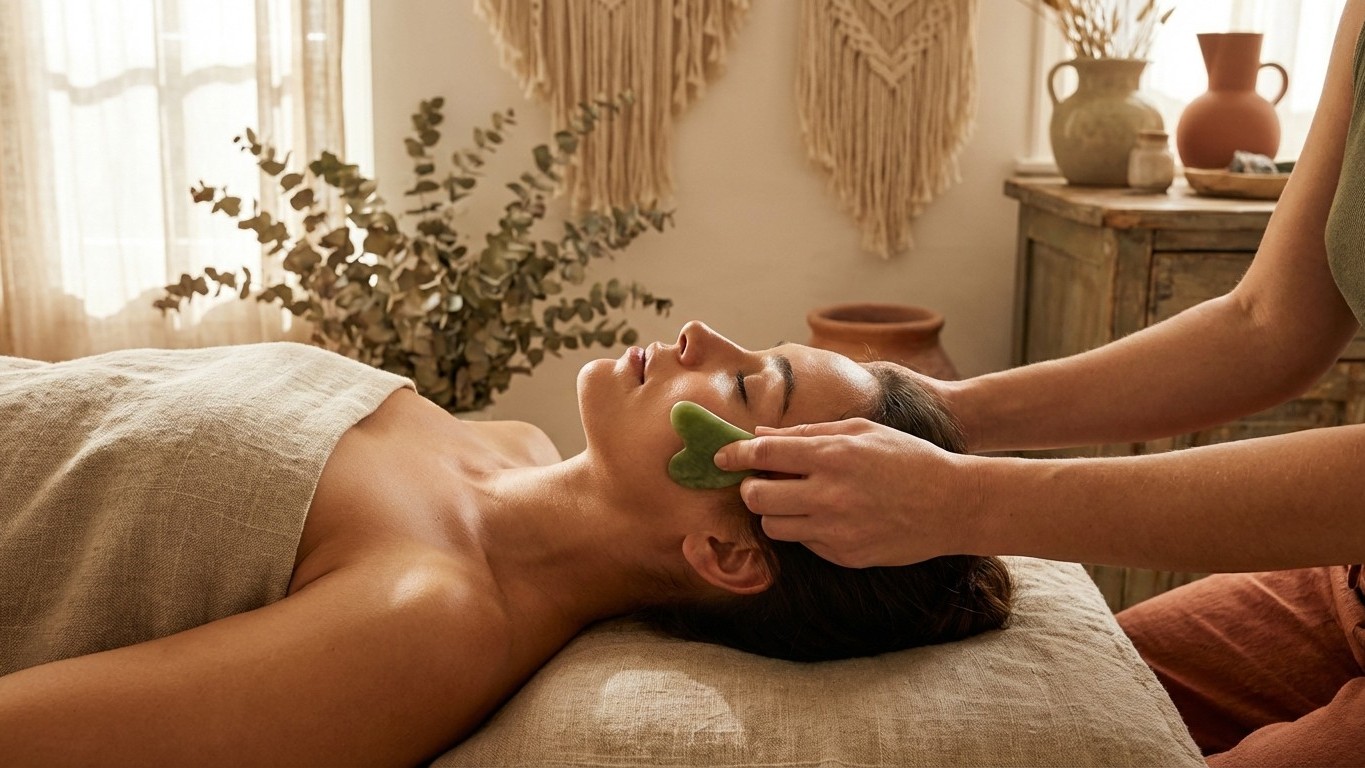
The technique in question? Facial massage with lymphatic drainage — specifically the ancient practice of gua sha that found its way into mainstream American beauty routines during the 1970s. Women’s liberation continued into the 1970s, so it was the era when women were opting for a more natural look, and women opted for lighter foundations in the 1970s, which increased the market of skincare products. This shift toward natural beauty created the perfect environment for gentle, holistic practices to flourish.
During this transformative decade, the hippie generation began maturing in the 1970s and natural eco friendly ingredients for skincare products began catering to that Earth centric ideology. Women who embraced the radical movements of the time didn’t necessarily want to Wear conventional makeup (or any makeup at all), but beautiful skin was always appreciated. The emphasis wasn’t on covering up imperfections but rather on nurturing the skin from within — a philosophy that perfectly aligned with Traditional Chinese Medicine practices like facial massage and lymphatic drainage.
The Science Behind the 70s Beauty Revolution
What makes this comeback particularly fascinating is how modern science has validated what our predecessors instinctively understood. Gua-sha has been shown to increase both blood and lymphatic flow. Additionally, one study showed that short-term (5 min) facial massaging with a Jade Roller increases blood flow and lymphatics, while long-term use improves the body’s vascular dilatation response. This scientific backing has convinced many skeptical dermatologists to not only approve of the practice but actively recommend it to their patients.
Board-certified dermatologists often recommend incorporating facial massage techniques into skincare regimens to enhance overall skin health and achieve a glowing complexion. Board-certified dermatologists often recommend the incorporation of regular facial massaging into skincare regimens due to its extensive benefits. The technique works by stimulating circulation, which delivers fresh oxygen and nutrients to skin cells while simultaneously promoting the removal of metabolic waste through improved lymphatic drainage.
The beauty of this 1970s-inspired approach lies in its gentle yet effective methodology. It helps in increasing blood circulation, relaxes facial muscles, decreases puffiness and offers a healthy glow. Unlike harsh chemical peels or invasive procedures that became popular in later decades, this technique works with Your Body‘s natural healing mechanisms rather than against them.
Why Modern Dermatologists Champion This Vintage Technique
Contemporary skin experts are particularly drawn to the multi-faceted benefits of facial massage and lymphatic drainage. These facials can help minimize fine lines and wrinkles and improve skin texture, while also addressing one of the most common beauty concerns of our time: facial puffiness caused by stress, poor sleep, and digital fatigue.
The technique’s ability to promote lymphatic drainage has proven especially valuable in our modern lifestyle. The lymphatic system is a series of channels in the body that connect the lymph nodes (tiny bean-like structures in the body that are part of your immune system). When this system becomes sluggish due to sedentary behavior or environmental stressors, it can manifest as facial puffiness, dull complexion, and even accelerated aging.
Gentle, light pressure is all you need to stimulate blood flow and depuff excess fluid. Gentle, feather-like strokes upward will be all you need to stimulate the lymph nodes and improve flow and drainage. This accessibility makes the technique particularly appealing to dermatologists who appreciate non-invasive, cost-effective solutions that patients can safely incorporate into their daily routines.
From Counterculture to Clinical Validation
The journey from 1970s alternative beauty practice to dermatologist-approved skincare staple represents a fascinating evolution in how we approach facial care. Traditional Chinese Medicine dates back thousands of years, modern practitioners still use anti-aging methods like pearl powder, facial massage, acupuncture, and acupressure. What was once considered “alternative” has now found solid scientific footing.
Modern research has revealed that as there is increased blood circulation with massage, the collagen production increases. Collagen is a protein that keeps the skin firm and prevents from sagging. This understanding has transformed facial massage from a pleasant relaxation Ritual into a legitimate anti-aging intervention that dermatologists can confidently recommend to their patients.
The technique’s versatility also appeals to today’s personalized approach to skincare. You can do your own lymphatic drainage facial every day using your hands or a gua sha tool. Ideally, you’d get a Professional lymphatic drainage facial on a monthly basis with your aesthetician and then do 5 to 10 minutes of DIY lymphatic drainage every day to release toxins and improve blood circulation. This dual approach — professional treatments complemented by at-home maintenance — aligns perfectly with modern skincare philosophies.
The Perfect Marriage of Past and Present
What makes this 1970s revival particularly compelling is how seamlessly it integrates with contemporary skincare routines. Facial massage is recommended to be done with skincare products and routine. The use of any cream, lotion, or serum in tandem with a facial massage enhances the effectiveness of the former. This synergy between traditional techniques and modern formulations creates a comprehensive approach to skin health that honors both innovation and wisdom.
The practice also addresses our collective desire for mindful self-care — something that resonated deeply in the 1970s and has resurged with even greater intensity today. Face massage reduces stress by activating the sympathetic nervous system. The next time you are anxious or want to elevate your mood, you know what to do! In our high-stress, always-connected world, the meditative aspects of facial massage provide both Physical and mental benefits.
As we continue to seek balance between technological advancement and natural wellness, this 1970s beauty ritual offers the perfect compromise. Skin care experts recommend a facial massage 2-3 times a week for glowing skin, Making it an accessible yet powerful addition to any skincare routine. The fact that dermatologists not only approve but actively champion this vintage technique speaks to its enduring efficacy and the timeless wisdom of working with, rather than against, our body’s natural processes.
In a world where beauty trends come and go with dizzying speed, the resurgence of 1970s facial massage techniques reminds us that sometimes the most effective solutions are also the most enduring. When ancient wisdom meets modern science, and when dermatologists enthusiastically endorse a practice that emphasizes gentle care over aggressive intervention, we know we’ve found something truly special — a beauty ritual that transcends decades because it simply works.