
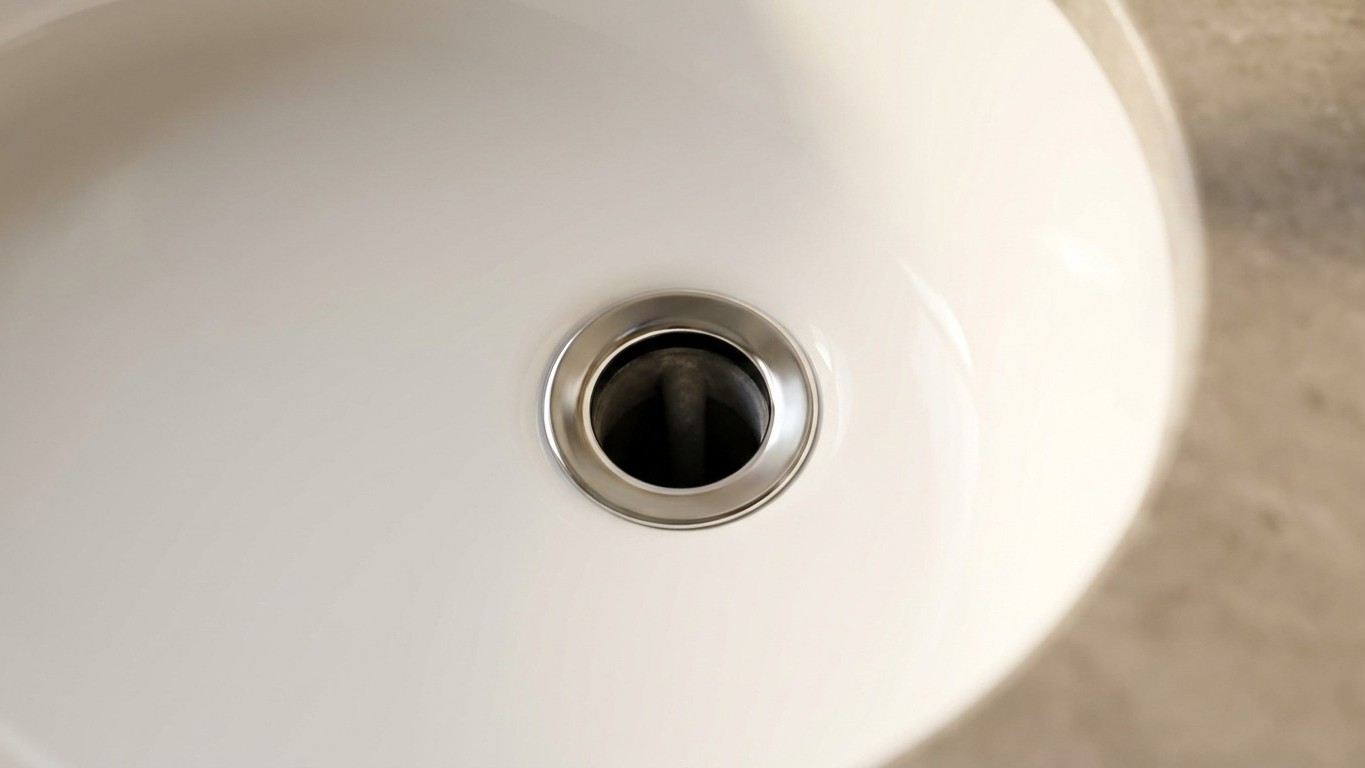
Two years is a long time for a P-trap to sit empty. The curved section of pipe beneath every sink is built to hold a few inches of standing water, permanently, as a kind of plug against whatever lives in the pipes below. Skip that sink long enough and the water disappears through simple evaporation. What replaces it is air, moving both ways.
The torch trick, for what it’s worth, isn’t paranoia. It’s the correct move. A drain that hasn’t seen water in weeks lets the seal that normally blocks sewer gas and insects break down completely, and once that barrier is gone, the pipe stops being a dead end and starts being a corridor.
Key takeaways
- A dry P-trap loses its water seal in just weeks, not months
- That open pipe becomes a direct corridor for insects and rodents from the sewer
- The fix is shockingly simple, but prevention requires one small habit
Why the Trap Dried Out in the First Place
The mechanics are almost insultingly simple. A P-trap is the curved section of pipe located beneath sinks, showers, tubs, and floor drains, and its shape is not accidental. That curve is designed to hold a small amount of water at all times. No water moving through means no water topping up the trap, and the small reservoir sitting in that curve slowly gives up its moisture to the surrounding air.
The timeline is faster than most homeowners assume. If a fixture isn’t used for an extended period, usually 3 to 5 months, the water in the trap evaporates, breaking the water seal and allowing sewer gas to flow directly into the room. In colder, drier conditions it happens even quicker: in the Pacific Northwest, it takes 3 to 5 months of not using a fixture before the water in the P-trap dries out enough to let sewer gasses into the room, and other plumbers report the same trap running dry in as little as a month in the wintertime. Two full years of neglect isn’t a marginal case. It’s a wide-open pipe.
What surprised me, honestly, is how unglamorous the actual cause is. There’s no dramatic leak, no burst seal. Just absence. A sink, shower, or tub that goes unused for weeks allows the water in the P-trap to slowly evaporate, and once that water level drops too low, sewer gas can move freely into the room. The spare-room sink wasn’t broken. It was simply forgotten, and forgetting a drain turns out to be its own kind of hazard.
What Was Actually Coming Through
Here’s the part that reframes the whole story. That open pipe isn’t just a smell risk, it’s a literal access point. A dry P-trap can become an open pathway for pests, and insects like drain flies and even cockroaches can travel up from the sewer pipes and into your home without the water to block them. The gunk lining old, rarely-flushed pipework doesn’t help either: insects like drain flies and cockroaches are known for crawling up through floor and sink drains, and these pests often live and breed in the gunk that collects inside pipes, especially if the drain isn’t used frequently or cleaned regularly.
Plumbers who deal with this constantly describe exactly the scenario of a guest sink turning into a thoroughfare. You may have a spare bathroom that rarely gets used, and the empty sink drain could create a tunnel for pests to crawl through, since those alternately dry and damp spaces are ample areas for pests to explore. Most of the time nobody notices, because in many cases the pests will crawl their way through the pipes only to get washed down each time the pipes get used, which is common in drain areas like showers and sinks, but when they’re dry for long enough, you may notice insects that come directly up from the drains. A sink that never runs never washes anything back down. It just accumulates.
It isn’t only insects, either. The same open channel that lets drain flies through is architecturally identical to what invites rodents. Even though you may drain your sink immediately after you do the dishes, insects and rodents find other sources of water when they enter your living space, and every inch of your plumbing system is a potential access point where bugs and rodents can find water. One pest-control write-up puts it more bluntly than most plumbing sites dare to: a dried-up water line functions as “the perfect environment for pests of every stripe, from the mice that treat the leaky sink as a neighborhood saloon.”
The Smell Is the Least Interesting Symptom
Most guides lead with the rotten-egg odor because it’s the thing people notice first. You will know your P-trap is dry if you smell rotten eggs near a drain, which is the most obvious and common sign that sewer gases are entering your home because the water barrier is gone. That gas isn’t just unpleasant. A dry P-trap allows sewer gases like hydrogen sulfide to enter your home, and exposure to these gases can cause symptoms like headaches and nausea.
But treating the smell as the whole problem misses what’s crawling through underneath it. As one plumbing site frames it plainly, an increase in bugs near a rarely-used fixture is diagnostic on its own: an increase in pests like drain flies or even cockroaches can be a sign, since without the water barrier in the trap, insects have an open pathway from the sewer system directly into your home. Smell first, sighting second, that’s usually the order people notice things in a spare room nobody visits.
Fixing It Takes Less Effort Than the Panic Suggests
The good news, and it really is disproportionately good relative to how alarming the discovery feels, is that refilling a dry trap is close to instant. To prevent a P-trap in an unused room from drying out, simply run water in the sink or shower for about a minute every few weeks. For rooms that genuinely won’t see traffic for months, there’s a slightly more durable trick: for longer periods of non-use, you can pour a few tablespoons of mineral oil into the drain after adding water, since this slows evaporation significantly. The oil floats on top of the water and dramatically cuts the rate at which it evaporates into the room air.
One plumbing outfit’s advice, quoted from a wastewater superintendent no less, is almost comically low-tech: “Get an ice cream bucket and pour about that amount down the drain, or run the sink for a minute or two, flush the toilet, and run the shower.” No snake, no chemicals, no call-out fee. Just water, reintroduced.
What actually changed how I think about spare rooms wasn’t the flies, honestly, it was realizing how mundane the fix is compared to the mundane neglect that caused it. A sink doesn’t need to be used often. It needs to be used occasionally, on a schedule, the same way you’d check a smoke detector battery. Set a reminder for the first of every month, run every unused tap in the house for sixty seconds, and the pipe stays exactly what it’s supposed to be: a boundary, not a door.
Sources : aptivepestcontrol.com | apartmenttherapy.com