
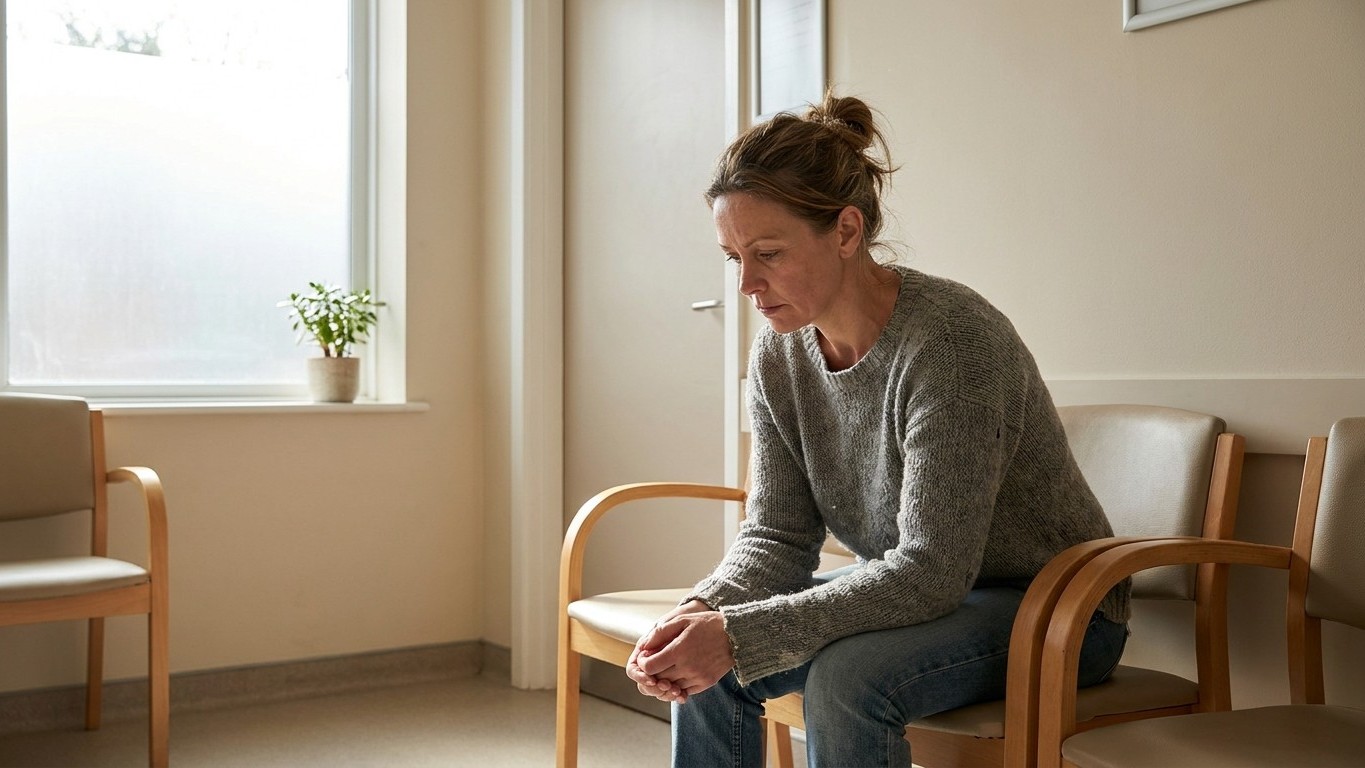
Eight years and ten months. That’s the average time it takes for someone in the UK to get a diagnosis of endometriosis, according to research published by Endometriosis UK during Endometriosis Action Month 2024. Getting a diagnosis for endometriosis now takes almost a year longer than before the pandemic, with diagnosis times increasing to an average of 8 years and 10 months, an increase of 10 months since 2020. But the number itself, staggering as it is, tells only half the story. The real scandal sits in what happens during those years: the appointments, the dismissals, the slow erosion of trust between patients and the healthcare system meant to help them.
Endometriosis is a chronic condition where tissue similar to the lining of the womb grows elsewhere in the body, causing pain that can be relentless and, for many, life-altering. It impacts the physical and mental health of 1 in 10 women and those assigned female at birth in the UK from puberty to menopause, though the impact may be felt for life. That makes it one of the most common gynecological conditions in the country. And yet it remains one of the most poorly recognized, buried under decades of assumptions about what “normal” period pain is supposed to feel like.
Key takeaways
- The average time to diagnose endometriosis in Britain has stretched to over 9 years—and it’s getting longer, not shorter
- 78% of patients reported being told by doctors they were exaggerating or imagining their symptoms
- For ethnically diverse women, diagnosis takes 11 years on average, revealing how bias compounds medical neglect
What actually gets handed over during the wait
Ask anyone who has lived through this and the timeline isn’t the worst part. It’s what fills it. Seventy-eight percent of women had experienced one or more doctors telling them they were making a fuss about nothing or similar comments, and many had the severity of their symptoms questioned. Nearly half needed to return to their GP over and over just to be taken seriously. The same report found that 47 per cent of those women had visited their GP ten or more times before getting a diagnosis.
The emergency room offers no shortcut either. Plenty of women, desperate enough to show up in acute pain, walk out with nothing. According to the charity’s more recent 2025 survey, over half of respondents had attended A&E with their symptoms, and nearly half of those were sent home without treatment, based on findings that more than half of respondents said they had attended A&E with their symptoms, and 46% of those were sent home without treatment. That’s not a queue. That’s a pattern of institutional disbelief, repeated visit after visit, until either a clinician finally listens or the patient simply stops asking.
What’s handed over, then, isn’t just time. It’s doubt. Being told, appointment after appointment, that the pain is psychosomatic, or normal, or exaggerated, teaches people to distrust their own bodies. One woman described being told her GP said pain was normal for women, that it was all in her head, that she was too young to have health problems, and that it was psychosomatic. That kind of accumulated dismissal doesn’t just delay a diagnosis. It reshapes how a person relates to medicine for the rest of her life, franchement.
The clinical cost of nearly a decade of delay
This isn’t only about emotional wear. The lengthy wait means a delay in accessing treatment, during which the disease may progress, leading to worsening physical symptoms and a risk of permanent organ damage. Endometriosis left untreated doesn’t sit still. Lesions can spread, adhesions can form between organs, and by the time someone finally reaches a gynecologist, the surgical picture is often far more complicated than it would have been years earlier.
The delay also isn’t evenly distributed. For ethnically diverse communities, diagnosis takes even longer, 11 years on average. That gap deserves more attention than it gets. A condition already notorious for being dismissed becomes even harder to name when race compounds the bias already baked into how women’s pain is heard, or not heard, in clinical settings.
And the trend line, contrary to what you’d hope given all the recent awareness campaigns, isn’t moving in the right direction. A newer survey from Endometriosis UK, carried out in late 2025, found the average has since climbed further, to nine years and four months, an increase of almost 17% in the last six years, up from an average of eight years in 2020. Which means the 8 years and 10 months figure, already shocking when it was published, may already be an underestimate of where things stand today.
Small signs of movement, and a long way still to go
There is, to be fair, a flicker of progress buried in the data. There are indications of improvements in primary care, with GPs mentioning they suspected endometriosis in their first two appointments for 14% of respondents, up from 10% in both 2023 and 2020. It’s a small gain. But after years of numbers moving only in the wrong direction, it’s worth noting.
The charity’s demand is straightforward and, frankly, overdue: it has called on UK governments to commit to an average endometriosis diagnosis time target of one year or less by 2030, alongside ensuring all healthcare practitioners receive training on menstrual health and endometriosis awareness. Achieving that would require more than good intentions. It would mean investing in imaging services, shortening gynecology waiting lists, and treating menstrual pain as a legitimate clinical red flag rather than something to be managed with reassurance and a repeat prescription.
For now, the wait remains the wait. Nearly nine years, sometimes eleven, filled not with answers but with appointments that lead nowhere and pain that gets a shrug instead of a scan. The diagnosis, when it finally arrives, often comes with relief and fury in equal measure, relief at finally having a name for the pain, fury at how long it took anyone to write it down.
Sources : endometriosis-uk.org | medscape.com