
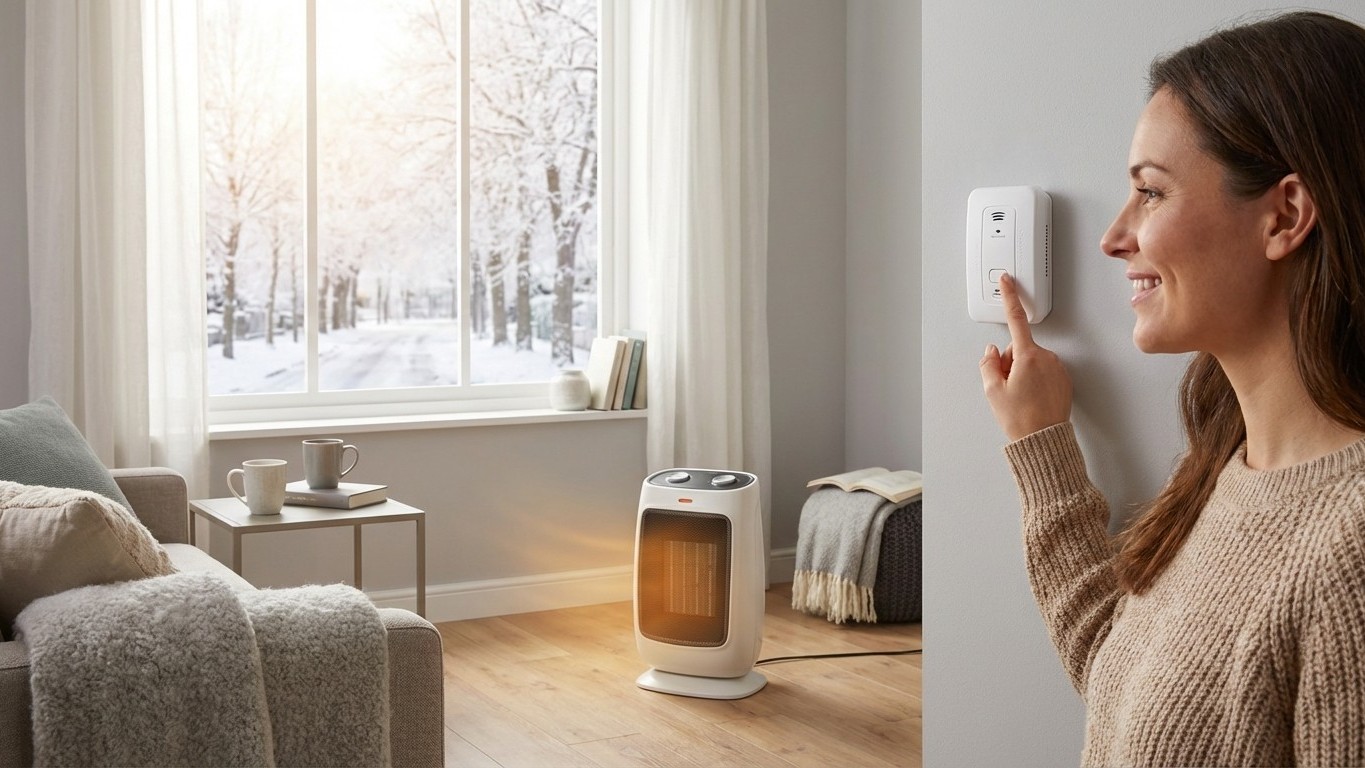
As temperatures plummet and heating bills soar, millions of Americans are dusting off space heaters, fireplaces, and other backup heating sources. Yet there’s one critical safety step that 90% of people completely ignore—and it’s the difference Between cozy warmth and a potentially fatal tragedy that unfolds in mere Minutes-since-i-started-this-nightly-habit”>Minutes.
The step? Testing your carbon monoxide detector Before firing up any fuel-burning backup heater. It sounds Always-check-before-Buying-fresh-herbs-once-i-discovered-this-Simple-jar-trick”>Buying-a-coat-on-sale”>Almost embarrassingly simple, but this five-minute check prevents the silent killer that claims over 400 American lives annually and sends 20,000 people to emergency rooms each year.
Carbon monoxide poisoning from backup heating sources has become alarmingly common. Just last winter, a family in Ohio nearly lost their lives when their backup propane heater malfunctioned while they slept. Their carbon monoxide detector had been chirping for weeks with a low battery warning—a sound they’d grown so accustomed to that they simply ignored it. Only a neighbor’s early morning visit saved them from what doctors later confirmed would have been fatal exposure within another hour.
Why Backup Heaters Are Carbon Monoxide Factories
Unlike your home’s primary heating system, which undergoes regular maintenance and inspection, backup heaters often sit unused for months. Dust accumulates in vents, connections loosen, and combustion chambers develop problems that create incomplete fuel burning—the Perfect recipe for carbon monoxide production.
Portable propane heaters, kerosene heaters, and even wood-burning stoves can quickly transform from life-saving warmth sources into deadly gas generators. The gas is colorless, odorless, and tasteless, Making-this-game-changing-homemade-broth”>Making it impossible to detect without proper equipment. Victims often Mistake-i-made-every-time-without-knowing”>Mistake early symptoms—headache, dizziness, and fatigue—for flu or stress, allowing exposure to continue until it’s too late.
Emergency room physicians report a disturbing pattern: carbon monoxide poisoning cases spike dramatically during power outages and severe cold snaps, precisely when people rely most heavily on backup heating sources they Haven’t properly maintained or safely operated.
The Life-Saving Five-Minute Safety Protocol
Before you even think about lighting that backup heater, grab your carbon monoxide detector and perform this essential safety check. First, test the alarm by pressing the test button—you Should hear a loud, clear beep. If the sound is weak or absent, replace the batteries immediately. Even if you think the batteries are fine, replace them anyway. This isn’t the time to gamble with “probably okay.”
Next, check the detector’s expiration date. Most People don’t realize carbon monoxide detectors have lifespans—typically seven to ten years depending on the model. An expired detector is essentially useless, providing a dangerous false sense of security. If your detector is expired or you can’t remember when you bought it, replace it before using any backup heating source.
Position matters critically. Place your carbon monoxide detector at least fifteen feet away from the backup heater but on the Same level. Carbon monoxide disperses evenly through rooms, so avoid placing detectors too high or too low. If you’re using a heater in a basement or garage, ensure you have a detector specifically in that space—carbon monoxide can accumulate in lower levels without affecting upstairs areas initially.
Consider investing in a digital carbon monoxide detector that displays actual CO levels, not just an alarm when dangerous concentrations are reached. These devices can alert you to rising levels before they become immediately life-threatening, giving you precious time to ventilate the area and shut Down the problematic heater.
Beyond Detection: Creating Your Safety Net
Testing your carbon monoxide detector is just the foundation of backup heater safety. Establish a safety routine that becomes as automatic as checking your phone. Always ensure adequate ventilation when using any fuel-burning backup heater—crack a window or door to provide fresh air circulation, even if it seems counterproductive to your heating efforts.
Never use outdoor heaters indoors, regardless of how desperate the situation becomes. Camping heaters, outdoor propane heaters, and barbecue grills produce massive amounts of carbon monoxide in enclosed spaces. Even running a car in an attached garage with the door open can create deadly conditions inside your home.
Create a family emergency plan that includes carbon monoxide alarm protocols. Everyone should know that a CO alarm means immediate evacuation—no gathering belongings, no investigating the source. Get everyone outside to fresh air and call 911 from a safe location. Carbon monoxide can cause confusion and poor decision-making, so pre-established emergency procedures are crucial.
Professional heating contractors report that most carbon monoxide incidents from backup heaters are entirely preventable. Regular maintenance, proper operation, and functioning detection systems create multiple layers of protection that virtually eliminate risk when properly implemented.