
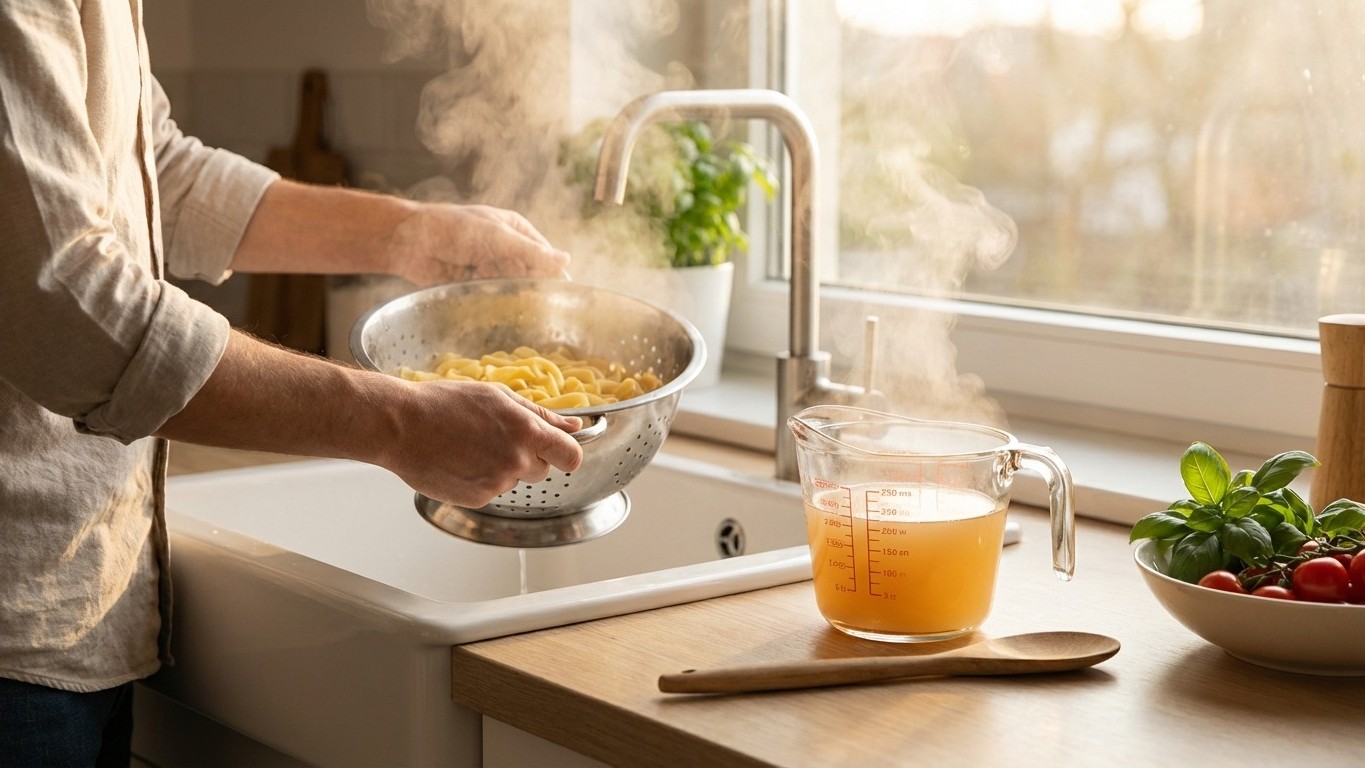
Every day, millions of home cooks commit what might be considered culinary blasphemy Without even realizing it. They boil pasta, steam vegetables, or blanch greens, then immediately send that precious, starchy, nutrient-rich water straight Down the drain. What they don’t know is that they’re literally pouring liquid gold into their pipes – water that could transform their cooking from ordinary to extraordinary.
This revelation has been quietly circulating among Professional chefs and food enthusiasts for years, but it’s Finally-understood-about-cleansing”>Finally reaching mainstream kitchens. The water we’ve been so carelessly discarding isn’t just hot H2O; it’s a concentrated elixir of flavor, nutrients, and culinary potential that can Elevate everything-in-30-seconds”>Everything from sauces to bread dough.
The Science Behind Kitchen Water Magic
When you cook pasta, something remarkable happens that goes far beyond simply softening wheat. The starchy water that remains is loaded with dissolved starches that act as natural emulsifiers and thickeners. This isn’t just any starch – it’s been perfectly heated and dissolved, creating a silky base that professional chefs have long recognized as the Secret-for-golden-broth”>Secret to restaurant-quality sauces.
The same principle applies to Making-a-major-comeback-and-dermatologists-actually-approve”>Making-my-bed-was-healthy-until-allergists-revealed-this-morning-mistake”>Making-a-major-comeback-in-every-outfit”>Making-this-game-changing-homemade-broth”>Vegetable cooking water, which becomes infused with water-soluble vitamins, minerals, and subtle flavors that took time and energy to extract. When you pour this nutrient-dense liquid down the drain, you’re essentially throwing away a concentrated vegetable broth that could serve as the foundation for soups, risottos, or even as a flavorful cooking medium for your next batch of grains.
Food scientists have discovered that pasta water, in particular, contains the perfect balance of salt and starch to create silky, glossy sauces that cling beautifully to noodles. The starch molecules act as tiny binding agents, helping oil and water-based ingredients marry in ways that would otherwise require cream or butter.
Transforming Your Culinary Game
The most immediate application of saved cooking water is in pasta preparation itself. Instead of serving dry noodles topped with sauce, you can create the creamy, cohesive dishes that characterize authentic Italian cooking. A few spoonfuls of reserved pasta water whisked into your sauce creates that restaurant-quality glossy finish that makes even Simple-trick-under-the-covers-the-life-changing”>Simple-trick-under-the-covers-the-life-changing”>Simple-trick-under-the-covers-the-life-changing”>Simple aglio e olio taste like a masterpiece.
But the applications extend far beyond pasta night. Vegetable cooking water becomes an instant, no-waste vegetable stock perfect for cooking quinoa, rice, or couscous. The subtle flavors and nutrients absorbed during the cooking process infuse your grains with complexity that plain water simply cannot provide. Imagine cooking your morning oatmeal in the water left from steaming broccoli the night before – you’re adding vitamins, minerals, and a subtle depth of flavor that transforms a simple breakfast into something more nourishing.
Bread bakers have discovered that potato cooking water creates exceptionally soft, moist loaves with extended shelf life. The starches in the water feed the yeast while contributing to a tender crumb structure that commercial bread additives attempt to replicate. Similarly, bean cooking liquid – often called aquafaba – has revolutionized vegan baking as a protein-rich egg substitute that whips into meringues and adds structure to baked goods.
Practical Storage and Usage Tips
The key to maximizing This kitchen resource lies in proper storage and strategic usage. Pasta water Should be used immediately or within a few hours, as its emulsifying properties are strongest when fresh. For Longer storage, you can freeze pasta water in ice cube trays, creating convenient portion-controlled additions for future sauce-making sessions.
Vegetable cooking water, on the other hand, can be refrigerated for up to a week or frozen for months. Consider it your personal vegetable stock, ready to add depth to soups, stews, or grain dishes. The water from cooking potatoes is particularly valuable, as it contains high levels of potassium and creates an excellent base for bread dough or can be used to water plants as a natural fertilizer.
Temperature matters too. Hot cooking water works best for immediate sauce applications, while cooled water is perfect for bread making or Storing. Some cooks keep a designated container in their refrigerator specifically for collecting various cooking waters throughout the week, creating a custom blend that reflects their cooking style and preferences.
Beyond the Kitchen: Unexpected Benefits
The benefits of saving cooking water extend beyond culinary applications. Potato water, once cooled, makes an excellent natural hair treatment, leaving strands silky and manageable thanks to its starch content. The same water can be used to clean silverware and remove tarnish, or as a natural plant fertilizer rich in nutrients that most houseplants crave.
From an environmental perspective, repurposing cooking water represents a small but meaningful step toward reducing household waste. In an era where every drop counts and sustainability consciousness is rising, transforming what was once waste into a valuable cooking ingredient feels both practical and responsible.
The next time you’re about to drain that pot of pasta water or dump the liquid from steamed vegetables, pause and consider the culinary possibilities swirling down your sink. With a simple change in perspective and a few glass jars for storage, you can transform your cooking while reducing waste. This isn’t just about being frugal – it’s about recognizing that great cooking often comes from understanding and utilizing every element at your disposal, including the liquid gold that’s been hiding in plain sight all along.