
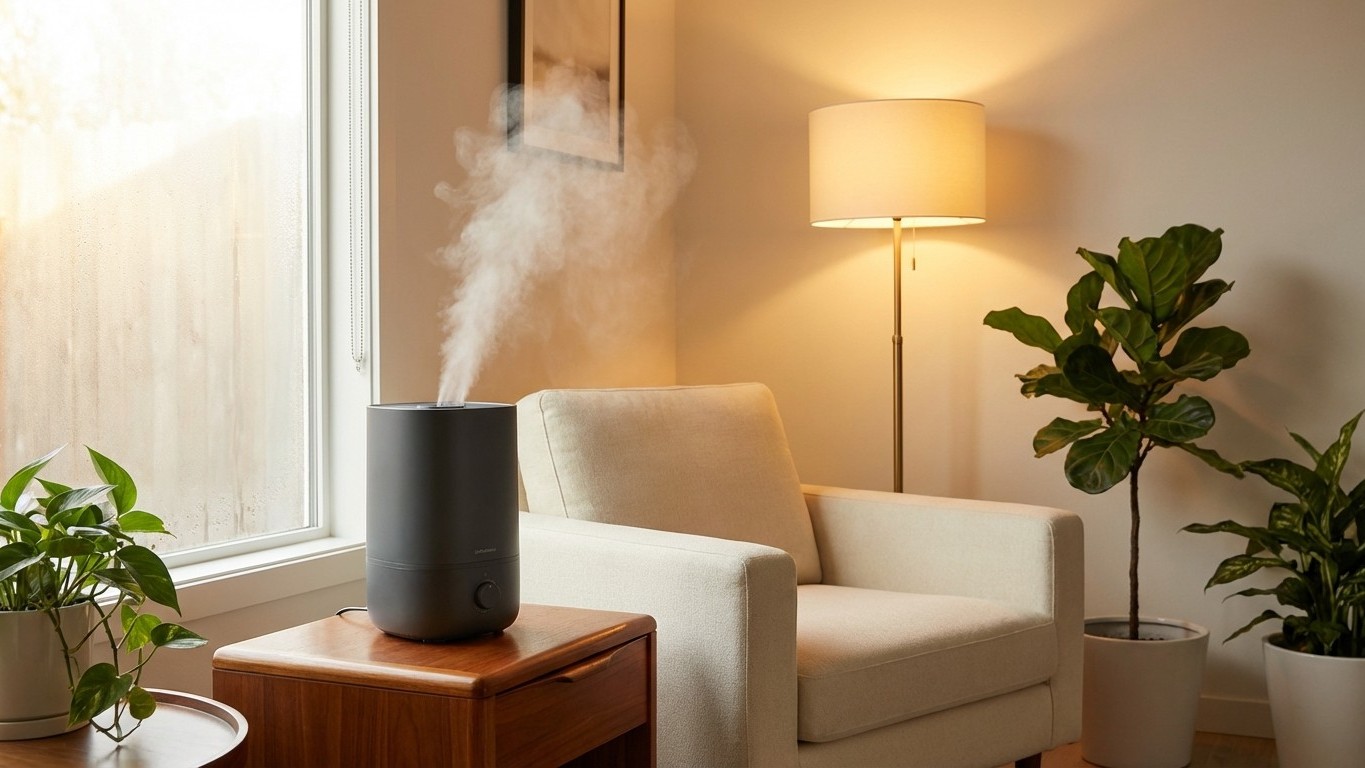
When Sarah first noticed her skin feeling dry and her throat scratchy every morning, she didn’t hesitate. Like millions of homeowners, she headed straight to the store and picked up what seemed like a perfectly reasonable solution: a sleek ultrasonic humidifier promising to restore comfort to her home. Three weeks later, she was dealing with something far worse than dry air – a musty smell that seemed to permeate everything, persistent coughing fits, and an overall feeling that the air in her home had become “unbearable.”
Sarah’s story isn’t unique. Across the country, well-intentioned homeowners are Making-my-bed-was-healthy-until-allergists-revealed-this-morning-mistake”>Making the Same costly Mistake-i-made-every-time-without-knowing”>Mistake when selecting humidifiers, focusing on aesthetics, price, or even brand reputation while completely overlooking changes-everything”>the one factor that determines whether their investment will improve their air quality or sabotage it entirely.
The Hidden Culprit Behind Indoor Air Quality Disasters
The critical factor that Sarah – and countless others – missed wasn’t about the humidifier’s capacity, its noise level, or even its maintenance requirements. It was something far more fundamental: understanding her home’s existing air quality and ventilation patterns Before adding moisture to the equation.
Most People assume that if their air feels dry, adding humidity is automatically beneficial. This logic seems sound until you consider what happens when you introduce moisture into a space that already harbors hidden problems. Poor ventilation, existing mold spores, dust mites, or inadequate air circulation can transform a well-intentioned humidity boost into a breeding ground for allergens and irritants.
Dr. Michael Chen, an indoor air quality specialist, explains it this way: “Adding humidity to a Space Without understanding the underlying air dynamics is like watering a garden without checking if the soil Drains properly. You might think you’re nurturing growth, but you could be creating the perfect conditions for problems to flourish.”
The reality is that many homes, especially newer constructions or recently renovated spaces, suffer from what experts call “tight building syndrome.” These environments trap air – and any airborne contaminants – creating pockets where moisture can accumulate and cause issues that dry air would never produce.
When Good Intentions Meet Poor Preparation
Sarah’s experience illustrates exactly how this unfolds in real life. Her home, a recently updated apartment with new windows and improved insulation, seemed like the perfect candidate for humidity control. The space felt dry, particularly during winter months when heating systems stripped moisture From the air. The humidifier appeared to work exactly as advertised, raising humidity levels from an uncomfortable 25% to a more pleasant 45%.
But within days, Sarah noticed something concerning. The bathroom mirror stayed fogged Stopped-buying-accessories-once-i-learned-these-5-ways-to-tie-a-simple-scarf”>Stopped-my-night-cramps”>Longer-wake-up-at-3-am-this-evening-food-stopped-my-cramps-in-one-week”>Longer than usual. A slight mustiness appeared in the bedroom closet. Most alarming, her morning throat irritation – the very symptom she’d hoped to eliminate – actually intensified. What she didn’t realize was that her apartment’s improved insulation, while excellent for energy efficiency, had also reduced natural air exchange. The added moisture had nowhere to go.
This created the perfect environment for dust mites to multiply rapidly and for dormant mold spores in hidden corners to activate and spread. The humidifier wasn’t just adding water vapor to the air; it was supercharging existing allergens that had been lying dormant in the drier environment.
The Essential Pre-Purchase Assessment
The solution isn’t to avoid humidifiers altogether – proper humidity levels genuinely improve comfort, skin health, and even respiratory function. Instead, successful humidity management requires a systematic approach that begins long before you compare models or read reviews.
Start by observing your space during different weather conditions and times of day. Notice where condensation naturally appears, how quickly towels dry in bathrooms, and whether certain rooms feel stuffier than others. These observations reveal your home’s ventilation personality and help predict how it will respond to additional moisture.
Consider conducting an informal air quality baseline test. Spend several days noting any existing symptoms: morning congestion, afternoon fatigue, or Evening stuffiness. Document these patterns because they’ll help you distinguish between improvements and new problems once you introduce humidity Changes-everything-in-5-Minutes-since-i-do-this-simple-trick-under-the-covers-the-life-changing”>Minutes-since-i-do-this-simple-trick-under-the-covers-the-life-changing”>Minutes-since-i-do-this-simple-trick-under-the-covers-the-life-changing”>Minutes”>Changes-everything-in-30-seconds”>Changes-everything”>Changes.
Professional indoor air quality assessments provide the most comprehensive picture, but even basic humidity monitoring using an inexpensive hygrometer can reveal crucial information. Measure humidity levels in different rooms at various times to Understand your space’s natural moisture patterns before attempting to modify them.
Creating a Sustainable Humidity Strategy
Armed with this understanding, selecting and using a humidifier becomes a strategic decision rather than a hopeful gesture. The goal shifts from simply adding moisture to creating balanced, healthy air quality That Works with your home’s natural characteristics rather than against them.
For Sarah, the solution eventually involved both addressing ventilation issues and choosing a different humidification approach. She installed bathroom fans on timers, opened windows briefly each day even during winter, and switched to a smaller, more controllable humidifier that she could adjust based on daily conditions rather than running continuously.
The transformation was remarkable. Within Two Weeks, the musty odors disappeared, her morning symptoms improved significantly, and the air felt genuinely more comfortable rather than just moister. Most importantly, she felt confident in her understanding of how humidity affects her Living space, making future adjustments feel natural rather than guesswork.
The lesson extends beyond humidifiers to any home environment modification. Whether you’re considering air purifiers, different heating systems, or even major renovations, understanding your space’s baseline behavior provides the foundation for improvements that actually improve your daily life. Sometimes the best investment isn’t in new equipment – it’s in understanding what you already have.