
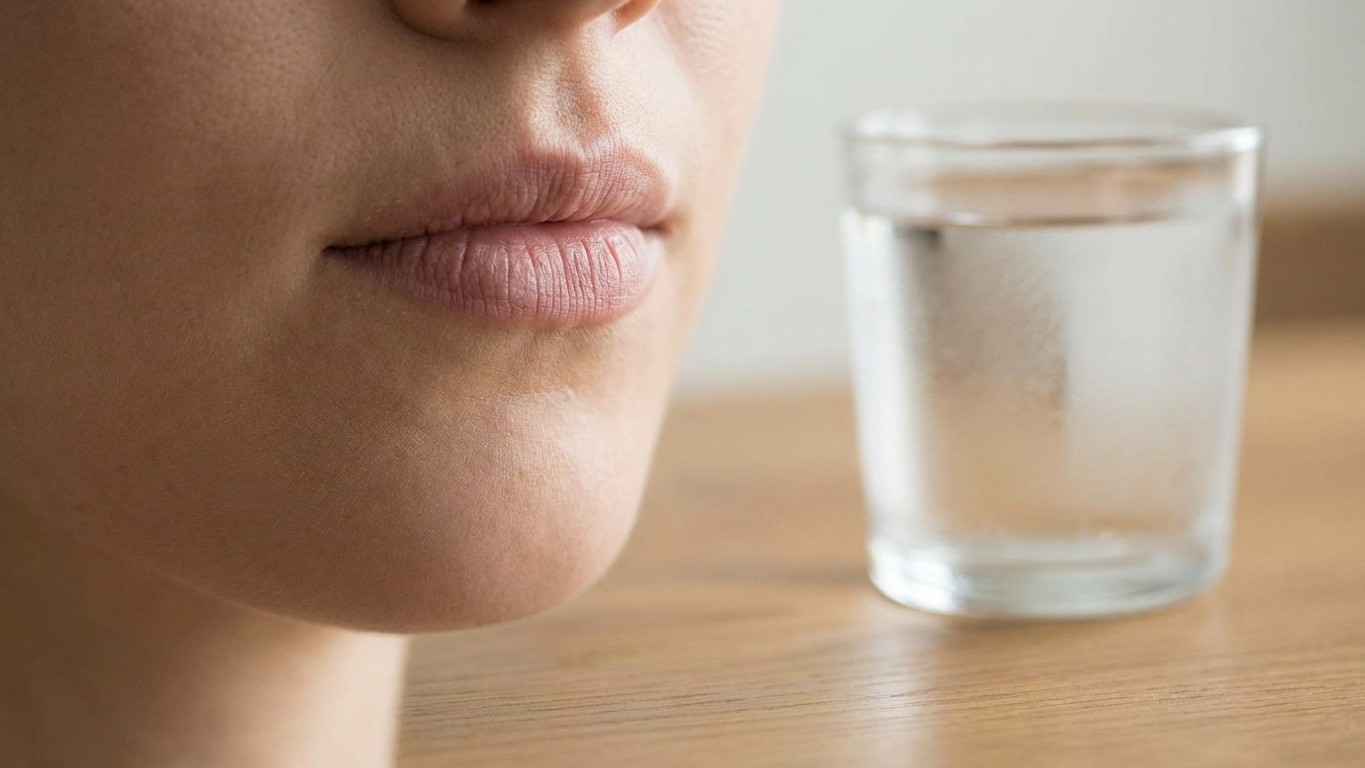
Sarah Mistake-explains-why-it-always-hardens”>Making-my-bed-was-healthy-until-allergists-revealed-this-morning-mistake”>Thought-it-was-so-outdated-these-three-90s-accessories-are-making-a-major-comeback-in-every-outfit”>Thought-i-was-drinking-enough-water-hidden-body-signs-almost-no-one-links-to-dehydration”>Thought she was doing everything right. Eight glasses of water daily, a reusable bottle constantly by her side, and a firm belief that she was properly hydrated. Yet one morning, while applying her usual lip balm, she Noticed something that would completely change her understanding of hydration: tiny vertical lines etched into her lips, accompanied by an unusual texture that seemed almost… papery.
What Sarah Minutes-since-i-do-this-simple-trick-under-the-covers-the-life-changing”>Minutes-since-i-do-this-simple-trick-under-the-covers-the-life-changing”>Minutes-since-i-do-this-simple-trick-under-the-covers-the-life-changing”>Minutes-daily-since-age-50-what-her-cardiologist-discovered-after-one-year”>Discovered that day is a reality that affects millions of Americans who believe they’re adequately hydrated. According to recent studies From the National Academy of Medicine, up to 75% of Americans suffer from chronic mild dehydration, even those who consciously attempt to drink sufficient water. The most telling indicator isn’t Always thirst or dark urine – sometimes it’s written right there on our lips.
When Lips Become Your Body’s Truth Teller
The lips are among the most sensitive indicators of our body’s hydration status, yet they’re often the most overlooked. Unlike other areas of skin, lips lack sebaceous glands, making them entirely dependent on internal moisture and external protection. When dehydration begins, the lips are among the first to respond, developing subtle changes-everything”>changes-everything”>Changes-everything”>Changes-everything-in-5-minutes”>Changes-everything-in-30-seconds”>Changes-everything”>Changes that most people attribute to weather conditions or the need for more lip balm.
Dr. Jennifer Martinez, a dermatologist at the Mayo Clinic, explains that true hydration goes far beyond water consumption. “We’re seeing patients who drink adequate amounts of water but still show signs of cellular dehydration,” she notes. “The body’s ability to retain and utilize water depends on electrolyte balance, timing of consumption, and individual metabolic factors.”
The signs Sarah noticed – those fine vertical lines and the papery texture – are Actually-makes-you-look-younger”>Actually-makes-you-look-younger”>Actually-explains”>Actually early indicators of what specialists call “functional dehydration.” This condition occurs when water intake appears adequate on paper, but the body struggles to maintain optimal hydration at the cellular level. Recent research published in the American Journal of Clinical Nutrition shows that nearly 43% of people experiencing functional dehydration continue to show symptoms despite meeting daily fluid intake recommendations.
The Hidden Culprits Behind Persistent Dehydration
Modern lifestyle factors create a perfect storm for dehydration that pure water consumption can’t always combat. Air conditioning and heating systems reduce ambient humidity, causing increased moisture loss through breathing and skin evaporation. The average American spends 87% of their time indoors, often in environments with humidity levels below the optimal 30-50% range recommended for maintaining skin and mucous membrane health.
Caffeine consumption compounds the issue. While that morning coffee or afternoon energy drink contributes to fluid intake, caffeine’s mild diuretic effect can offset some benefits. A 2023 study from Harvard Medical School found that individuals consuming more than 300mg of caffeine daily (roughly three cups of coffee) showed increased markers of cellular dehydration, particularly visible in lip tissue analysis.
Stress hormones also play a crucial role. Cortisol, released during chronic stress, affects the body’s ability to retain water efficiently. When stress levels remain elevated, the body prioritizes essential organ function over maintaining optimal hydration in peripheral tissues – including the delicate skin of the lips.
Reading Your Lips: The Early Warning System
The “pinch test” offers another revealing assessment: gently pinch your lower lip between your thumb and forefinger, then release. In well-hydrated individuals, the lip Should immediately return to its normal shape. If it takes longer than a second to bounce back, or if the pinched area leaves a temporary mark, cellular dehydration may be present.
Temperature sensitivity in the lips also increases during dehydration. Many people notice their lips becoming more reactive to hot beverages or cold air when their hydration status is compromised, though they rarely connect these symptoms to their water intake patterns.
Beyond Water: The Complete Hydration Strategy
True hydration requires a more sophisticated approach than simply increasing water volume. Electrolyte balance plays a fundamental role in cellular water retention. Sodium, potassium, and magnesium work together to regulate fluid distribution throughout the body. Without adequate electrolytes, consumed water may pass through the system without providing optimal hydration benefits.
Timing matters significantly. Rather than consuming large quantities of water infrequently, spreading intake throughout the day allows for Better absorption and utilization. The kidneys can process approximately 8-10 ounces of fluid per hour under normal conditions. Consuming water beyond this rate often results in increased urination without improved hydration status.
Humidity management in living and working spaces can dramatically improve hydration maintenance. Using humidifiers during dry seasons, incorporating moisture-loving plants into indoor environments, and being mindful of temperature extremes all contribute to reducing the body’s hydration burden.
Sarah’s experience serves as a valuable reminder that our bodies often communicate their needs through subtle signals long before obvious symptoms appear. By paying attention to these early indicators – particularly the honest testimony written on our lips – we can address hydration imbalances before they impact our overall health and well-being. The next time you reach for lip balm, take a moment to truly observe what your lips are telling you about your body’s hydration story.