
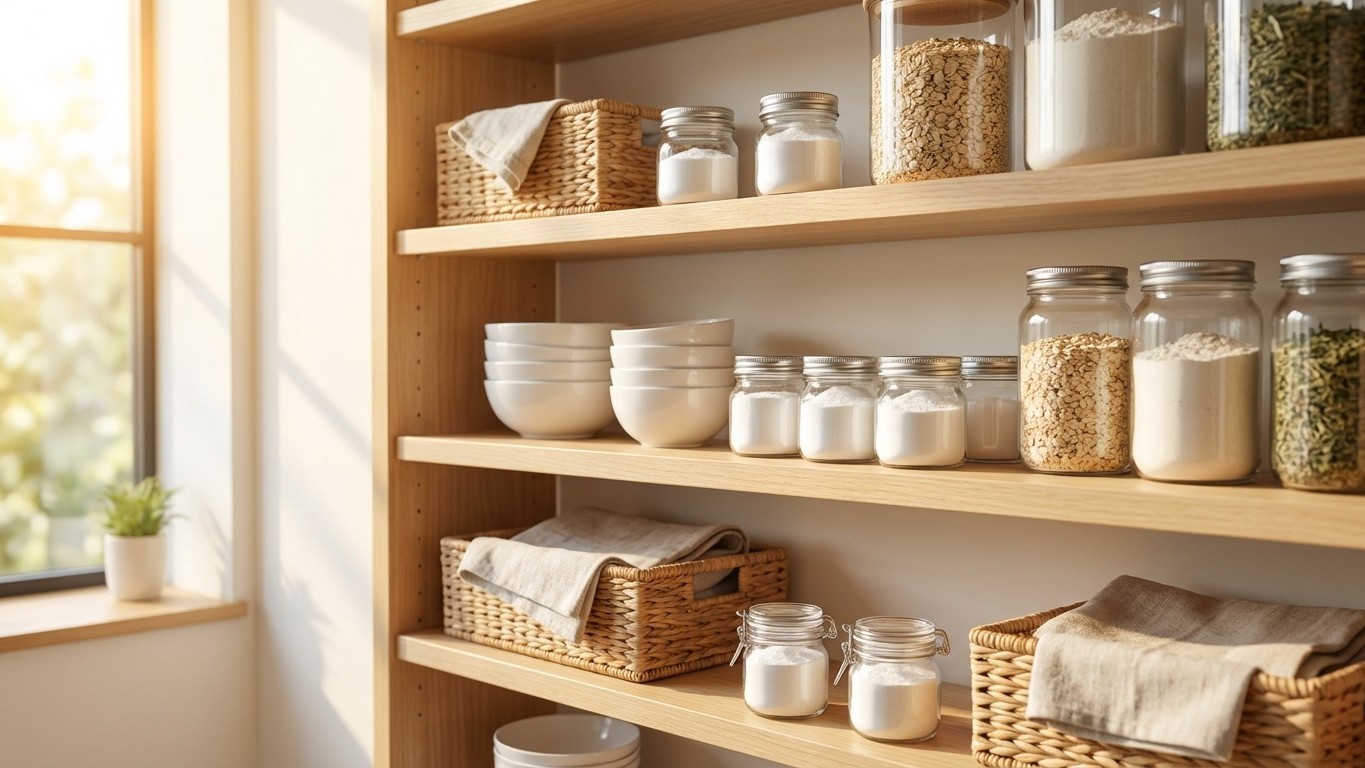
That musty smell greeting you Every Time you open your kitchen-staple-you-usually-throw-away-can-unclog-your-pipes-in-no-time”>kitchen cabinets? Those warped shelves and sticky surfaces that never seem to dry completely? You’ve been throwing money at expensive moisture absorbers when the perfect solution has been sitting in your pantry all along. baking soda, that humble white powder most of us associate with cookies and cleaning, is about to revolutionize how you handle humidity in your home.
Commercial moisture absorbers can cost anywhere from $8 to $20 per unit, and they need constant replacement. Meanwhile, a Single box of baking soda costs less than two dollars and can serve multiple purposes while tackling your humidity problems with surprising effectiveness. This isn’t just about saving money – it’s about understanding why sodium bicarbonate naturally attracts and neutralizes moisture while simultaneously eliminating odors that often accompany damp conditions.
The science behind baking soda’s moisture-absorbing properties lies in its hygroscopic nature. Unlike silica gel packets that simply trap moisture, baking soda actively absorbs water molecules from the air while neutralizing the acids that cause musty odors. This dual action makes it particularly effective in kitchen environments where grease, food particles, and varying temperatures create perfect conditions for humidity buildup.
Setting Up Your Natural Moisture Control System
Creating an effective baking soda moisture absorption system requires strategic placement and proper preparation. Start by selecting shallow, breathable containers – old jam jars with holes punched in the lids work perfectly, as do small fabric sachets or even coffee filters secured with rubber bands. The key is allowing air circulation while containing the powder.
For average-sized kitchen cabinets, you’ll need approximately one-quarter cup of baking soda per container. Place these containers toward the back of shelves where they won’t interfere with daily use but can still access circulating air. Corner placements work particularly well because humidity tends to accumulate in these less-ventilated areas. Don’t forget about that space Under the sink – probably the most humidity-prone area in Your Entire kitchen.
The beauty of this approach extends beyond mere moisture control. Unlike commercial products that often contain chemicals and artificial fragrances, baking soda creates a completely neutral environment. You won’t have competing scents interfering with your spices or stored foods, and there’s no risk of chemical leaching onto surfaces where you prepare meals.
Maximizing Effectiveness and Longevity
Your baking soda moisture absorbers will remain Effective for approximately two to three months, depending on humidity levels in your area. You’ll know it’s time for replacement when the powder begins clumping or developing a slightly yellow tinge. But here’s where the value proposition becomes even more attractive – that “used” baking soda doesn’t become waste.
Before discarding spent baking soda, put it to work in other areas of your home. It makes an excellent carpet deodorizer, drain cleaner, or addition to your laundry routine. This circular approach means you’re extracting maximum value from every purchase while maintaining an environmentally friendly household management system.
To boost effectiveness, consider adding a few drops of essential oil to your baking soda mixture. Lavender or tea tree oil not only provide pleasant, subtle fragrances but also offer additional antimicrobial properties. This creates a more comprehensive approach to cabinet maintenance that addresses both moisture and potential bacterial growth.
Temperature fluctuations can affect performance, so during summer months or in consistently warm kitchens, you might need to refresh your baking soda containers more frequently. Pay attention to seasonal changes and adjust your replacement schedule accordingly. Some people find that stirring the baking soda monthly helps maintain optimal absorption capacity by breaking up any minor clumping before it becomes problematic.
Beyond Basic Moisture Control
Once you’ve experienced the effectiveness of baking soda in your kitchen cabinets, you’ll likely want to expand this approach to other areas of your home. bathroom vanities, bedroom closets, basement Storage areas, and even inside shoes benefit from the same treatment. The principles remain consistent, but you can adjust container sizes and placement strategies based on specific needs.
For particularly challenging moisture problems, create a more robust system by combining baking soda with activated charcoal. Use a 3:1 ratio of baking soda to charcoal powder, Mixing thoroughly before placing in containers. This combination provides enhanced odor elimination while maintaining excellent moisture absorption properties.
Consider seasonal rotations where you increase the number of containers during humid summer months and reduce them during drier Winter periods. This adaptive approach ensures you’re always providing optimal protection without over-treating spaces that don’t need intensive moisture control.
The transition away from commercial moisture absorbers represents more than just a money-saving hack – it’s a move toward more sustainable, chemical-free home management. You’ll reduce plastic waste, eliminate concerns about pets or children encountering potentially harmful substances, and gain the satisfaction of solving problems with Simple, natural solutions. Your cabinets will stay fresher, your stored items will last longer, and you’ll wonder Why It took so long to discover this remarkably effective approach to humidity control.