Why your morning coffee might be making burnout fatigue worse

The Burnout Mistake: Why Your Morning Coffee Might Be the Real Problem

Millions of American adults are treating themselves for burnout when their real problem might be brewing in their kitchen every morning: caffeine. The symptoms of caffeine dependence perfectly mimic burnout — fatigue, brain fog, irritability — making it nearly impossible to tell the difference. A simple two-week experiment could reveal whether your exhaustion is real or caffeine-created.

How a hot shower before bed can help you sleep better

Why Sleep Doctors Missed the Most Powerful Sleep Hack: The Hot Shower Effect

Sleep experts recommend cooling your bedroom, but they’re only half right. A strategically timed hot shower triggers your body’s natural sleep cascade more effectively than any thermostat ever could. The science is counterintuitive, the research is solid, and the fix takes just 10 minutes.

How to time outdoor activity to reduce spring allergies

Why Allergists Never Sneeze in Spring: The 90-Minute Timing Trick That Changes Everything

While most people struggle with spring allergies, the doctors who study pollen navigate the season virtually symptom-free—not because of secret pills, but because they’ve mastered the clock. The key is a precise 90-minute window after sunrise when pollen counts plummet, plus a pre-season medication strategy that starts weeks before symptoms appear.

How ten minutes of morning light can improve your sleep

Forget Melatonin: The 10-Minute Morning Rule That Actually Fixes Your Sleep

Millions take melatonin for sleep, but it’s treating the symptom, not the cause. A single 10-minute morning routine—one that costs nothing and requires no supplements—can naturally synchronize your circadian rhythm and transform your sleep quality by evening.

Your Stomach Starts Working Before Food Arrives: What 30 Seconds of Chewing Actually Does

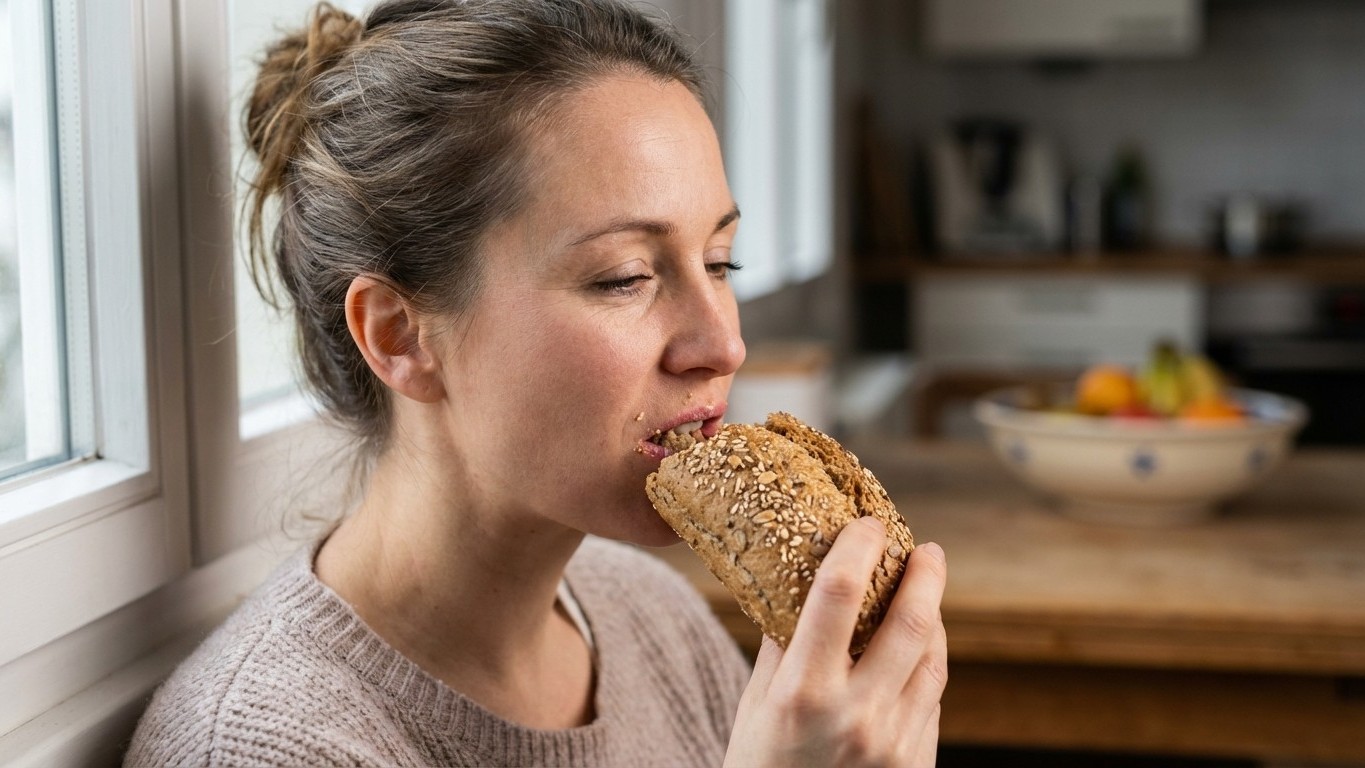
Your Stomach Starts Working Before Food Arrives: What 30 Seconds of Chewing Actually Does

Gastroenterologists have discovered that your stomach begins its digestive work the moment you start chewing—before food even reaches your stomach. This cephalic phase response, first identified by Pavlov, can account for up to 62% of your stomach’s acid output and 50% of your total digestive response. Most people chew only 5-7 times per bite; experts recommend 20-30.

What Stomach Sleeping Does to Your Spine and Gut

Stomach Sleeping for Years? A Gastroenterologist Reveals the Hidden Damage to Your Spine and Gut

You’ve been sleeping on your stomach for years thinking it’s harmless. A gastroenterologist’s diagram changed everything. What you don’t know about that sleeping position is quietly accumulating damage to your spine, gut, and quality of sleep itself—and the fix is simpler than you think.

Harvard Study: The Hour Your Body Burns the Most Fat at Rest

Harvard Study Reveals the Exact Hour Your Body Burns the Most Fat at Rest—And It's Probably Not When You Think

A groundbreaking Harvard study reveals that your body burns significantly more calories—and preferentially burns fat—during late afternoon and evening hours, not during the fasted morning workouts the wellness industry champions. Researchers isolated the body’s internal circadian clock to discover this surprising metabolic rhythm.