
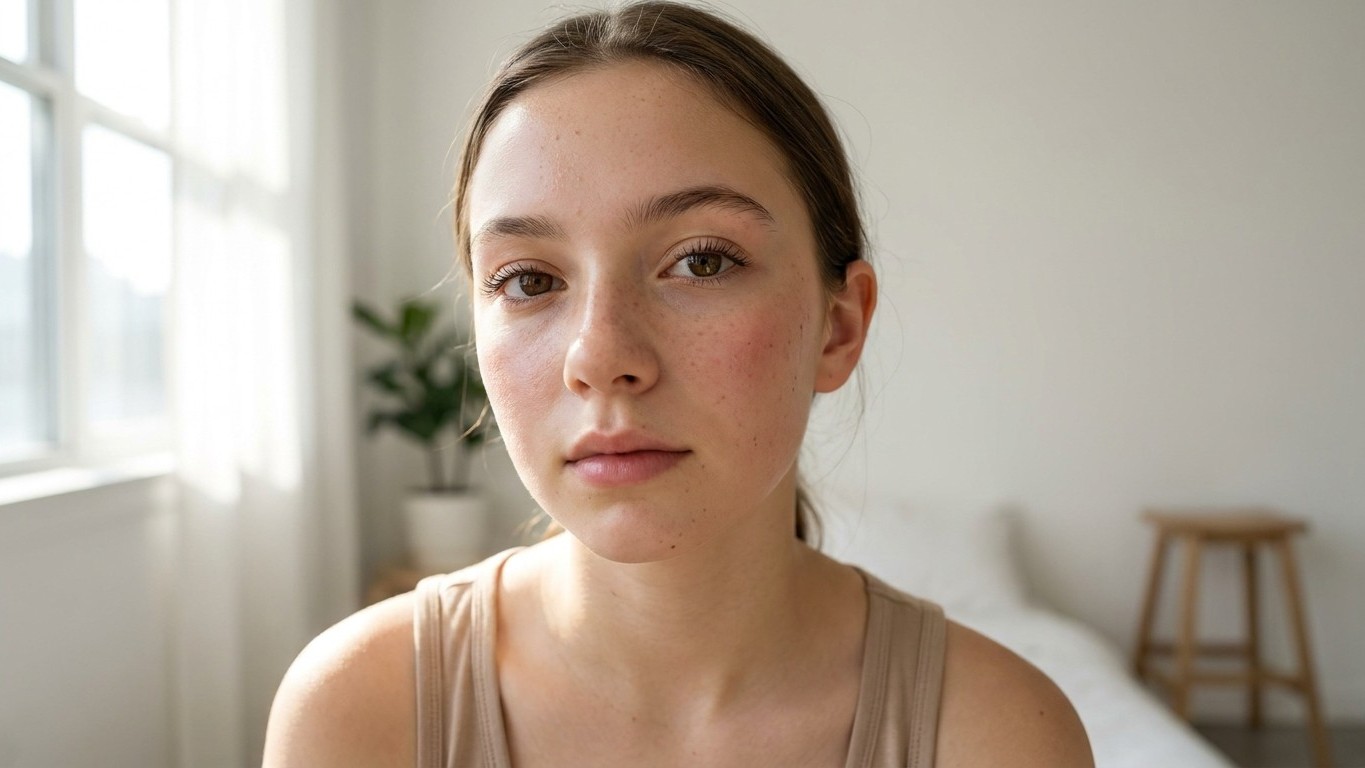
Seven minutes. That’s roughly how long the average teenager spends on her morning face before sprinting for the bus, according to surveys conducted by teen beauty brands like Bubble Skincare. Seven minutes explains a lot about the current back-to-school makeup mood: fast, skin-forward, almost invisible. Forget contour kits and false lashes. The look this fall is dewy skin, a swipe of something pink, and out the door.
This shift didn’t happen by accident. Dermatologists have spent the last few years pushing back against the full-glam TikTok tutorials that flooded teen feeds around 2020, and parents have followed suit, worried about clogged pores and skin barrier damage in kids who still have braces. The result is a genuine cultural correction, one where “your skin but better” has replaced “beat face” as the goal. Franchement, it’s the rare beauty trend that actually aligns with what a dermatologist would recommend anyway.
Key takeaways
- Why heavy makeup is actually losing out to minimal looks at school
- The surprising reason dermatologists are celebrating this beauty trend
- What one product swap can save you time and money every single morning
Why the “no-makeup makeup” look actually works for teen skin
Teenage skin is still producing excess sebum, dealing with hormonal breakouts, and generally recalibrating itself. Heavy, full-coverage foundation sits differently on that kind of skin than it does on a 35-year-old’s, often emphasizing texture rather than hiding it. Dermatologists at the American Academy of Dermatology have long recommended non-comedogenic, oil-free formulas for acne-prone skin, and lighter coverage products tend to fit that bill more naturally than full-glam formulas do.
There’s also a practical argument that has nothing to do with skincare philosophy: minimal makeup survives a seven-hour school day better. Heavy foundation creases by third period, migrates into the fine lines around a fifteen-year-old’s nose (yes, even teens have them, however faint), and requires touch-ups that most schools don’t exactly encourage during class. A tinted moisturizer or a skin tint, on the other hand, ages gracefully through gym class, lunch, and that one classroom with broken air conditioning.
The economics matter too. Skin tints and multi-use sticks tend to cost less than full foundation-concealer-powder routines, a detail that matters to parents funding a beauty routine for the first time. Brands aimed at younger consumers, including e.l.f. Cosmetics and Bubble, have built entire product lines around this exact price point and philosophy, and their sales figures suggest the strategy is working.
Building the actual look, step by step
Start with skin, not with makeup. A gentle, sulfate-free cleanser followed by a lightweight moisturizer with SPF does more heavy lifting than any product applied on top of it. Sunscreen matters especially here: the Skin Cancer Foundation notes that a significant share of lifetime sun damage occurs before age eighteen, which makes SPF 30 or higher a non-negotiable, not an afterthought.
From there, a skin tint or tinted moisturizer replaces foundation entirely. These formulas typically offer a sheer wash of color, evening out redness without erasing freckles or texture, and most blend easily with fingertips, no brushes required (a small mercy on a rushed morning).
Concealer stays limited to actual problem spots, a blemish here, faint under-eye shadows there, applied with a fingertip and pressed rather than dragged. A cream blush or lip tint, dabbed onto the cheeks and blended upward toward the temples, gives that flushed, just-came-from-a-run look that’s been dominating both runways and school hallways alike. The trick many makeup artists recommend: use the same product on lips and cheeks for a cohesive, monochromatic flush that takes under a minute.
Brows get a single swipe of clear or tinted gel, nothing more. Mascara, ideally a formula labeled ophthalmologist-tested, finishes the eyes. Eyeshadow is optional here, and if it’s used at all, a single neutral shade swept across the lid does more than a five-pan palette ever could.
What to actually avoid, and why some “natural” products aren’t
Not Everything marketed as “clean” or “natural” is appropriate for teen skin, and this is where a little skepticism pays off. Heavily fragranced products, whether labeled natural or not, remain a leading cause of contact irritation according to dermatology research, and teens with reactive or acne-prone skin often do better avoiding added fragrance altogether, natural or synthetic.
Setting powders and long-wear foundations marketed as “full coverage” tend to work against the minimal aesthetic entirely, and many contain silicones that can trap oil underneath. Reading an ingredient label for “non-comedogenic” or “oil-free” on the packaging Matters More Than reading the word “natural” on the front.
Lip products deserve their own note. Lip-plumping glosses containing cinnamon oil or menthol, popular among younger users for the tingling sensation, can cause genuine irritation on the thin, still-developing skin of a teenager’s lips. A tinted balm without added stimulants does the same visual job without the sting.
The mindset shift worth remembering
Something contrary to the usual beauty-industry logic is happening here: less product is being marketed as more desirable, and it’s actually true this time, not just a slogan. A single tinted balm, a light-coverage skin tint, and a coat of mascara can look more finished than a full face applied with a heavy hand, precisely because it lets a teenager’s actual skin do most of the work.
Dermatologists interviewed by outlets covering youth beauty trends consistently point to one detail parents can act on immediately: check the SPF level before checking the shade range. A tinted moisturizer with broad-spectrum SPF 30 protects against the kind of cumulative sun exposure that shows up decades later, long after the back-to-school photos have faded from anyone’s memory.