
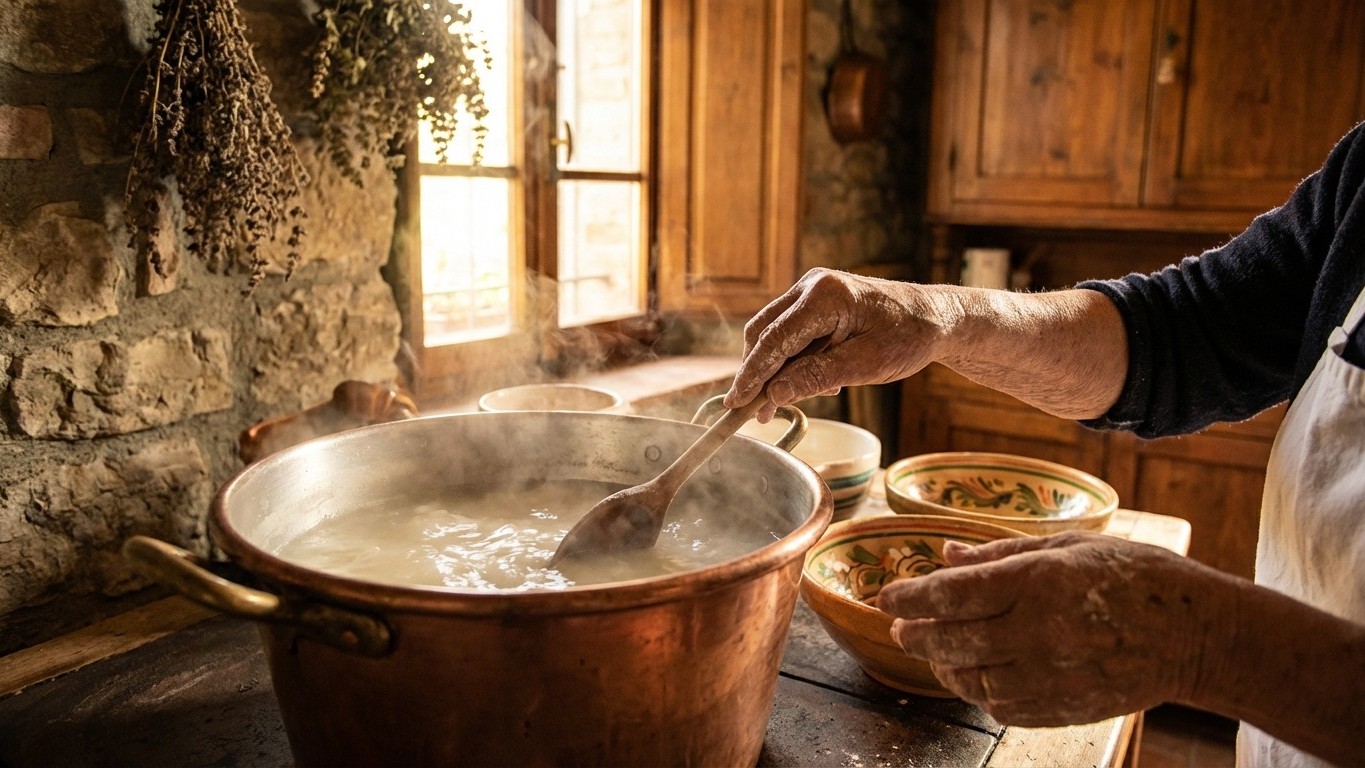
For years, I watched that starchy, cloudy water swirl Down the Drain without a second thought. It was just waste water from boiling pasta, right? Wrong. What I didn’t realize was that I was literally pouring liquid gold down the sink, dismissing one of the most versatile and valuable byproducts in my kitchen.
Italian grandmothers have been treasuring pasta water for generations, passing down this wisdom through families like a precious recipe. They call it “acqua di cottura” and treat it with the reverence it deserves. This seemingly humble liquid is Actually a powerhouse ingredient that can revolutionize your cooking, enhance your beauty Routine-skincare-naturelle-du-matin-etapes-simples-pour-une-peau-eclatante”>Routine, and even tackle household chores with surprising effectiveness.
The Science Behind the Magic
When pasta cooks, it releases starch into the boiling water, creating a naturally thickened liquid That’s slightly alkaline and rich in nutrients. This starchy composition is what makes pasta water so remarkably useful. The starches act as natural emulsifiers, helping to bind ingredients together, while the alkalinity provides gentle yet effective properties for various applications beyond the kitchen.
The concentration of these beneficial compounds depends on several factors: the type of pasta used, the cooking time, and the ratio of water to pasta. Whole grain pastas tend to release more nutrients, while longer cooking times increase the starch content. This explains why pasta water can range from slightly cloudy to almost milky in appearance.
Culinary Alchemy in Your Kitchen
The most obvious application lies in pasta dishes themselves. Instead of adding plain water or broth to thin out sauces, pasta water creates silky, restaurant-quality results that cling beautifully to every strand. The starch acts as a natural liaison, helping oil-based sauces emulsify with other ingredients for a glossy, cohesive finish that transforms even the simplest preparations.
Beyond pasta, this liquid treasure works wonders in bread making. The starches provide food for yeast, resulting in better rise and improved texture. Many bakers substitute a portion of their recipe’s water with cooled pasta water to achieve more complex flavors and enhanced crust development. The slightly alkaline nature also helps create that coveted golden-brown finish.
Soup enthusiasts have discovered that pasta water makes an exceptional base for broths and stocks. Its natural thickening properties eliminate the need for flour or cornstarch, while adding subtle depth to the overall flavor profile. Whether you’re making a quick minestrone or a hearty bean soup, this ingredient provides body and richness that elevates the entire dish.
Beauty Secrets from the Mediterranean
Italian women have long incorporated pasta water into their beauty routines, and modern science validates their intuition. The starch content provides gentle exfoliation when used as a facial wash, removing dead skin cells while moisturizing simultaneously. Unlike harsh commercial scrubs, pasta water offers a mild approach suitable for sensitive skin types.
Hair care represents another remarkable application. The starch deposits create a natural conditioning effect, adding shine and manageability to even the most stubborn locks. Many discover that regular rinses with cooled pasta water reduce frizz and enhance natural texture, particularly beneficial for those with curly or coarse hair. The alkaline properties also help balance scalp pH, potentially reducing irritation and promoting healthier hair growth.
For hands and feet, pasta water serves as an excellent soaking solution. The warm, starchy liquid softens calluses and rough patches while providing gentle moisture. After gardening or heavy cleaning, a brief soak can restore softness and suppleness to hardworking hands.
Household Applications That Surprise
The versatility extends far beyond personal care into practical household management. Plant enthusiasts have discovered that cooled pasta water provides gentle nutrition for houseplants and gardens. The released minerals and starches offer mild fertilization without the harsh chemicals found in commercial products. However, this only applies to unsalted pasta water, as salt can damage plant roots and soil composition.
Cleaning applications showcase another dimension of pasta water’s utility. The natural starches help remove stubborn residue from dishes and cookware, particularly effective on burnt-on food particles. Some find it useful for cleaning windows and mirrors, as the starches provide streak-free results when properly applied and buffed.
Pet owners occasionally use pasta water as a flavor enhancer for dry pet food, though this should always be unsalted and cooled to room temperature. The added moisture and subtle taste can encourage reluctant eaters while providing gentle nutrition.
The next time you drain your pasta, pause before sending that precious liquid down the drain. Reserve a cup or two and experiment with these traditional applications that have sustained families for generations. Start with simple cooking applications to build confidence, then gradually explore beauty and household uses as you become comfortable with this versatile ingredient. Your grandmother’s wisdom, passed down through generations of Italian kitchens, might just revolutionize your entire approach to cooking and living.