
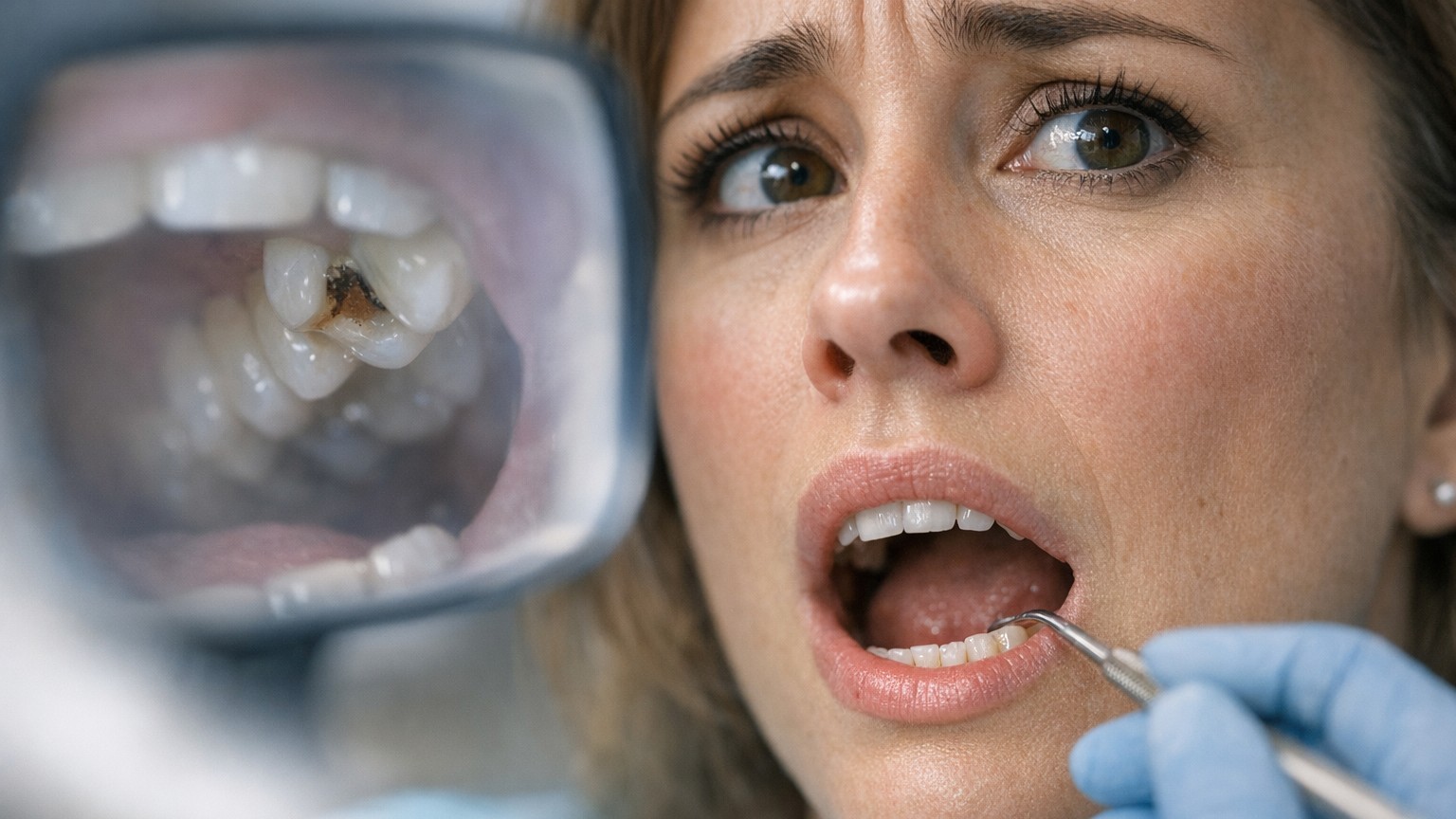
The magnification image was not flattering. Tiny channels carved into the surface. Micro-abrasions running in parallel lines, exactly where the bristles had passed. The dentist didn’t lecture, she just turned the screen toward me and let the image do the talking. That was enough.
For years, the morning ritual felt airtight: coffee first, then brush. Clean up the evidence. Logical, hygienic, practically self-congratulatory. The problem is that the logic is completely backwards, and the science behind why has been sitting in plain sight the whole time.
Key takeaways
- Coffee’s acidity softens your enamel, making it vulnerable to brush damage for up to 60 minutes after drinking
- A five-year habit of post-coffee brushing created permanent, irreversible micro-abrasions visible under magnification
- Enamel doesn’t regenerate—once lost, it’s gone forever, but the fix requires almost no lifestyle change
What Coffee Actually Does to Your Enamel
Dentists confirm that black coffee contributes to enamel erosion primarily due to its acidic nature. Black coffee typically has a pH level ranging from 4.5 to 5.5, and exposure to anything below a pH of 5.5 can start to soften enamel, a process called demineralization. That number matters. Tooth enamel is not infinitely resilient.
The natural acidity of black coffee is the primary culprit in potential enamel wear. The brew contains several chlorogenic, citric, and malic acids. When you drink coffee, the pH level in your mouth drops, temporarily softening the enamel. This is where the timing problem starts, because soft enamel and a toothbrush are a genuinely bad combination.
The acid softens your enamel, making it more porous. If you brush during this period, you’re not just cleaning, you’re potentially scrubbing away softened bits of your protective enamel. This creates micro-abrasions: tiny scratches that accumulate over time. One morning? Probably fine. Every morning for five years? A different story entirely.
Here’s the counterintuitive part that most people miss: while one instance won’t destroy your smile, this daily habit can lead to chronic enamel wear, increased tooth sensitivity, and long-term enamel damage that’s impossible to reverse. Tooth enamel is the hardest substance in your body, but it’s vulnerable to acid. Hardest substance in the body, and still no match for a morning habit repeated a thousand times over.
The 30-Minute Rule Nobody Tells You About
The magic number for brushing teeth after drinking coffee safely is 30 to 60 minutes. Most dental experts lean toward the full 60-minute recommendation. During this time, your mouth is in recovery mode. Recovery mode. Not from a workout, from a cup of coffee. The framing is a little alarming, and that’s the point.
The general recommendation from dental professionals, including the American Dental Association, is to wait at least 30 minutes after consuming acidic foods or drinks before brushing your teeth. This gives your saliva time to restore the pH balance and harden your enamel back to its normal state. Saliva is doing serious work here, and most of us spend those 30 minutes actively undermining it.
Throughout the day, your teeth cycle through two opposing processes: demineralization, where acids pull calcium and phosphate out of enamel, and remineralization, where saliva and minerals help restore some of what’s lost. When demineralization outpaces remineralization, enamel weakens. A daily coffee habit, followed immediately by brushing, tips that scale in the wrong direction every single morning.
Once you’ve lost enamel, there’s no way to make it grow back. That sentence deserves to sit alone for a second. Unlike bone, unlike skin, enamel does not regenerate. Teeth whitening, veneers, and well-formulated fluoride toothpastes can help with coffee stains, but they can’t reverse enamel erosion that can lead to decay and loss of enamel. The damage is cumulative and permanent. The magnification image made that concrete in a way no pamphlet ever could.
The Morning Routine That Actually Protects Your Teeth
The fix is simpler than you’d expect, and it requires almost no adjustment to your morning. The American Dental Association recommends brushing your teeth before coffee, not after. The reason is that coffee is acidic, its pH balance usually stays around 5, and that poses the risk of softening your enamel, which makes it more vulnerable to abrasion.
Brushing before coffee removes the plaque and bacteria on your teeth, preventing them from absorbing the dark pigments found in coffee and reducing the staining effect. So you get the hygiene benefit, the fluoride coating, and the stain protection, all before the first sip. When you brush before coffee, you’re coating your teeth with fluoride’s strengthening agent right before they need it most. The brushing action also gets your saliva flowing, which is your body’s built-in acid neutralizer.
If brushing before coffee genuinely doesn’t work for your schedule, or if the mint-and-coffee combination is too jarring, there are ways to manage the aftermath responsibly. After enjoying your morning coffee, rinse your mouth with water. This simple step helps wash away acids and tannins before they can cause damage. Swishing water around your mouth for 30 seconds can help neutralize the acidity and reduce the risk of enamel erosion. Thirty seconds. A minimal ask.
Chewing sugar-free gum stimulates saliva flow, your body’s natural defense against acids and bacteria. Look for gum with Xylitol. And if you’re a slow sipper, the kind who nurses a cup across an entire hour of emails, you are bathing your teeth in acid for an extended period. Instead of sipping your coffee slowly over an hour, try to finish it within 15 to 20 minutes. The longer coffee sits in contact with your teeth, the more opportunity it has to stain and create acid damage. When you drink it quickly, you limit the exposure time and give your mouth a chance to recover.
One more detail worth knowing: cold brew coffee is naturally less acidic than hot coffee, making it gentler on your teeth. If iced coffee is already your preference, you’re inadvertently making a smarter choice for your enamel. And a 2009 study published in the Journal of Conservative Dentistry found that black coffee without any additives like sugar or cream helped prevent cavities thanks to its antibacterial effect, the polyphenols in coffee are thought to be responsible for zapping bacteria. Coffee, in its plainest form, is more complicated than its reputation suggests.
The real shift isn’t giving up coffee. It’s understanding that the sequence matters as much as the habit itself, and that what feels like responsible dental hygiene can, under the wrong timing, become the exact source of the damage you’re trying to prevent.
Sources : dentistexam.com | sharonalbrightdds.com