
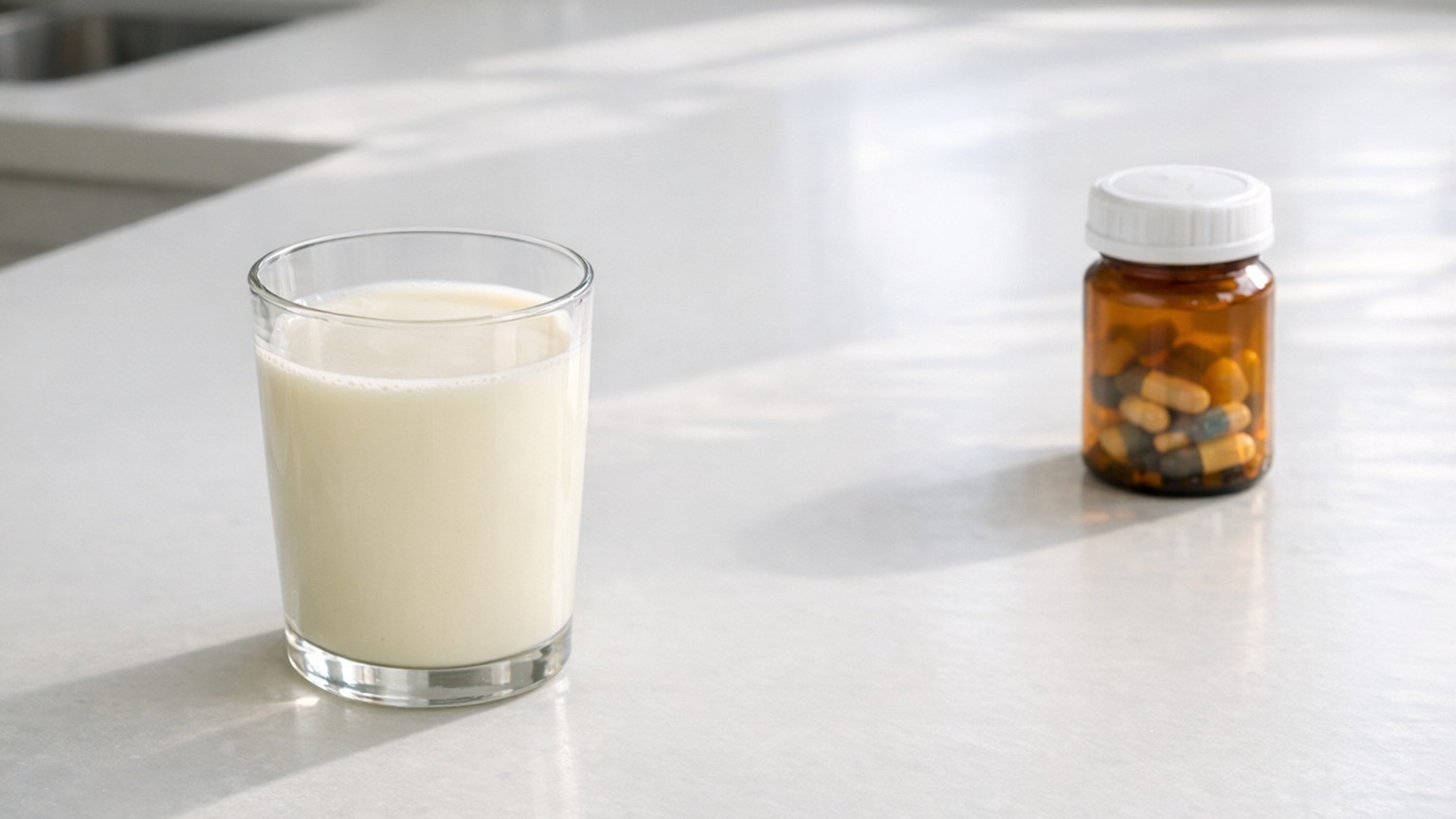
For years, the ritual felt reassuring: swallow the antibiotic, wash it down with a big glass of kefir. A tart, probiotic-rich chaser that, in theory, would counteract the gut damage in real time. It seemed logical, almost poetic. One thing kills the bacteria, the other restores them. Except the biology doesn’t work that way, and a five-minute conversation with a pharmacist eventually made that devastatingly clear.
Key takeaways
- Antibiotics at peak concentration obliterate probiotic cultures taken simultaneously—your kefir ritual may be completely ineffective
- One UCLA study found probiotics can actually delay microbiome recovery; two recent studies contradict each other on whether fermented foods help or harm
- Some gut bacteria vanish for 6+ months after a single antibiotic course, and repeated cycles without proper spacing compound the damage irreversibly
What antibiotics actually do to your gut
Antibiotics are designed to kill dangerous bacteria, but they make no distinction between good and bad strains. As a result, these powerful medications can also harm the beneficial microbes living in your gut. That collateral damage is well-documented. Studies consistently show that antibiotics cause rapid and diminished levels of bacterial diversity and significant changes in relative bacterial abundances.
The recovery timeline is longer than most people assume. Most healthy adult microbiomes return to pre-treatment species richness after approximately two months, but with an altered taxonomy, an altered metabolic output, and an increased antibiotic resistance burden. And that’s for a single course. Research published in Nature Microbiology found that after antibiotic treatment, 9 common gut species that were present in all subjects before treatment remained undetectable in most of them after 180 days. Half a year. Gone.
The gut isn’t a passive victim in this process either. When the microbial community is unable to recover from antibiotics, it can lead to increased susceptibility to gastrointestinal infections and a higher risk of immunological and metabolic diseases. Repeated rounds of antibiotics over years, each time with the gut starting from a depleted baseline, compound this disruption in ways that a morning glass of kefir simply cannot address.
The timing problem no one explains at the pharmacy
Here’s what the pharmacist finally said, and what most prescribers never mention. Antibiotics are designed to seek out and destroy bacteria. Most cannot distinguish between the harmful bacteria causing an infection and the beneficial bacteria found in a probiotic. If you take them at the exact same time, the antibiotic is at its highest concentration in your digestive system, and it will likely destroy the live cultures in your probiotic immediately.
The standard recommendation is to stagger the intake of probiotics and antibiotics by at least 2 to 3 hours, to minimize the potential negative impact of antibiotics on the beneficial bacteria in probiotics. This approach is based on evidence from American Gastroenterological Association (AGA) clinical practice guidelines on the role of probiotics in the management of gastrointestinal disorders. Drinking kefir right alongside, or immediately after, each antibiotic dose is essentially a waste of the kefir. The antibiotic, still peaking in your system, neutralizes the live cultures before they can reach and colonize the intestinal tract.
The practical fix is almost embarrassingly simple. If you take an antibiotic at 8 AM and 8 PM, you might take your probiotic around noon and before bedtime. Separate the two by at least 2 hours, it doesn’t matter which one is taken first. The goal is to let the antibiotic concentration in your digestive system drop before introducing live cultures that you actually want to survive.
Kefir is powerful, but not in the way you think
None of this means kefir is useless. Far from it. Kefir stands out as one of the most potent probiotic foods for antibiotic recovery, containing 12 or more active cultures including Lactobacillus kefiri and providing up to 10 billion colony-forming units per cup. That’s a genuinely impressive bacterial payload. The bacteria found in kefir can actually live and colonize the intestinal tract, unlike many yogurt cultures, which pass through without establishing residence.
But here’s the counter-intuitive part that the wellness industry tends to gloss over: the concentration and species composition of fermented foods like kefir are completely insufficient to displace aggressive pathogens, such as Klebsiella or Clostridium, that can multiply after antibiotic treatment. Kefir is prevention and nutrition for bacteria, not a cure for deep dysbiosis. Treating it as a one-stop gut repair kit is like patching a structural crack in a wall with decorator putty. It looks like action. It isn’t.
There’s also a more unsettling finding from researchers at UCLA worth sitting with. Taking probiotics following a course of antibiotics can actually delay recovery. The limited numbers of bacteria in probiotic products can colonize the gut and markedly slow the balanced return of the diverse and complex colonies of microbes that are unique to each person’s microbiome. The science here is genuinely contested, two recent studies in healthy subjects showed contradictory findings on whether fermented milk products improve or substantially impair post-antibiotic gut microbiome recovery — but the debate alone should make anyone reconsider the “more kefir is always better” reflex.
What actually works: timing, duration, and what you eat
Starting probiotics within 24 to 48 hours of beginning antibiotics, not after completing the full course, prevents more severe microbiome disruption and significantly reduces recovery time. Waiting until the prescription is done means allowing damage to accumulate unchecked for days. When you delay probiotic supplementation, harmful bacteria like C. difficile can establish colonies in the disrupted gut environment, making recovery more difficult.
A 2025 meta-analysis of over 7,400 participants found that probiotics reduced antibiotic-associated diarrhea by 40%. The key is timing: take your probiotic at least 2 to 3 hours before or after your antibiotic dose, and continue for at least 2 weeks after finishing the prescription. That same meta-analysis found that multistrain probiotics showed superior protection compared to single or dual-strain products, which matters, because a standard store-brand yogurt with one or two strains is doing very different work than a properly formulated supplement.
Diet deserves equal attention. The type of antibiotic used and how frequently you take it plays a role in recovery speed. Eating a fiber-deficient diet prior to antibiotic treatment also leads to a slower recovery. Combining probiotic foods with prebiotic-rich options accelerates healing and helps prevent dangerous bacterial infections like C. difficile. Garlic, leeks, oats, bananas, the unglamorous prebiotic foods, are what feed and sustain whatever live cultures you introduce.
Kefir timed correctly, continued for weeks past the last antibiotic dose, and paired with a genuinely fiber-rich diet: that’s a different protocol entirely from the instinctive “chase the pill with the probiotic drink.” The ritual stays the same. The clock changes everything.
Sources : droracle.ai | frontiersin.org